
 Jubilee Radio
Jubilee Radio
Jubilee Radio
9 December 2025, 7:23 pm
By Clare Nayebare
In the face of shifting weather patterns in the Tooro Sub-region, small-scale farmers are turning back to indigenous seeds for resilience. Among them is Florence Bamuturaki of Mugusu, who for more than forty years has grown thriving crops using native seeds and natural fertilisers, proving that traditional farming can withstand climate stress where modern methods often fail.
As climate patterns continue to change across the Tooro Sub-region, agricultural experts are increasingly encouraging farmers to return to indigenous seed varieties—plants that have survived generations and adapted naturally to the deep, fertile soils of Tooro. For one small-scale farmer in Kabarole District, this is not just expert advice but a lived reality spanning over four decades.
During a field visit by Jubilee Radio to Mugusu Town Council, Florence Bamuturaki, a seasoned small-scale farmer, revealed the secret behind her decades of successful harvests: preserving indigenous seeds and relying on natural fertilisers.
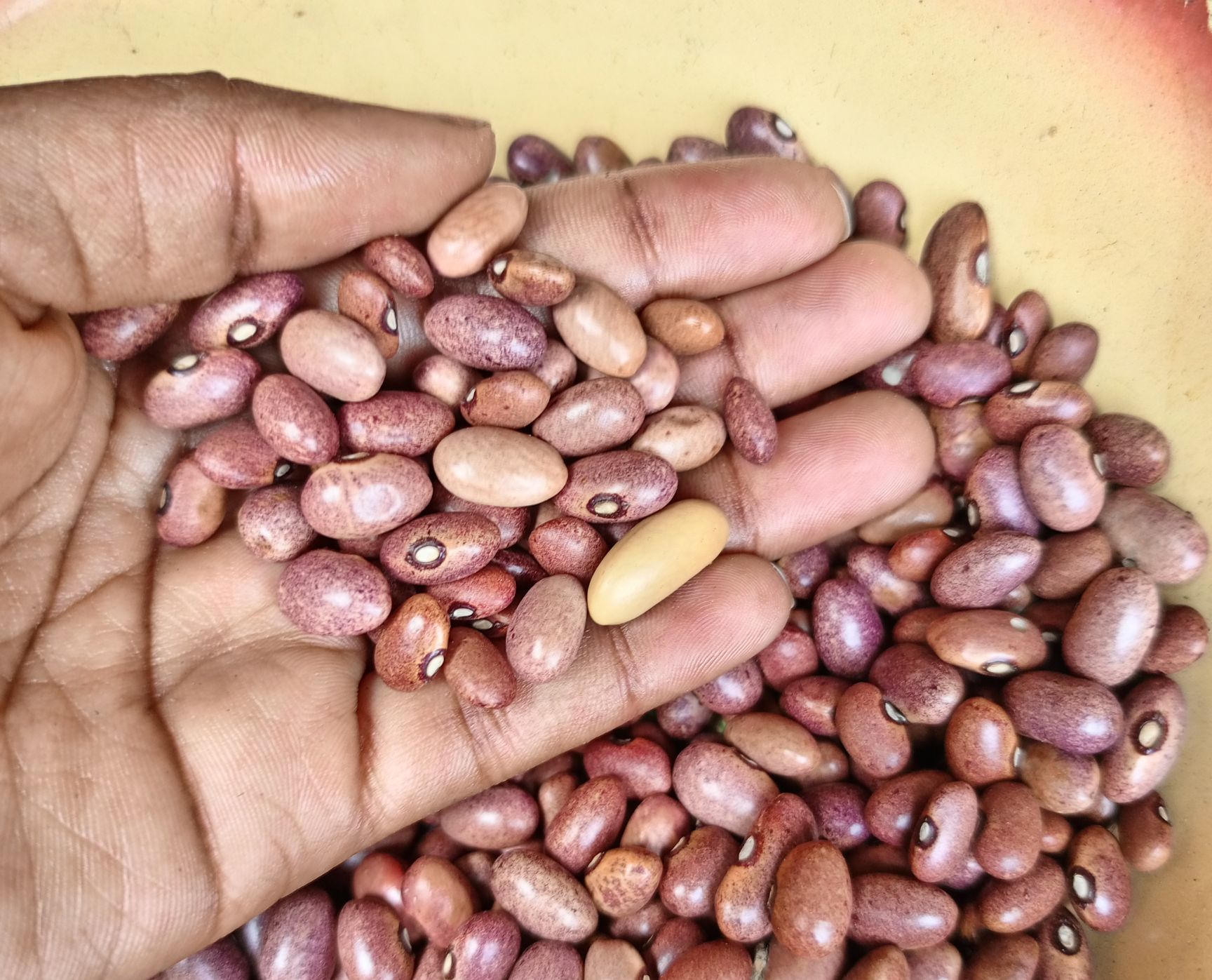
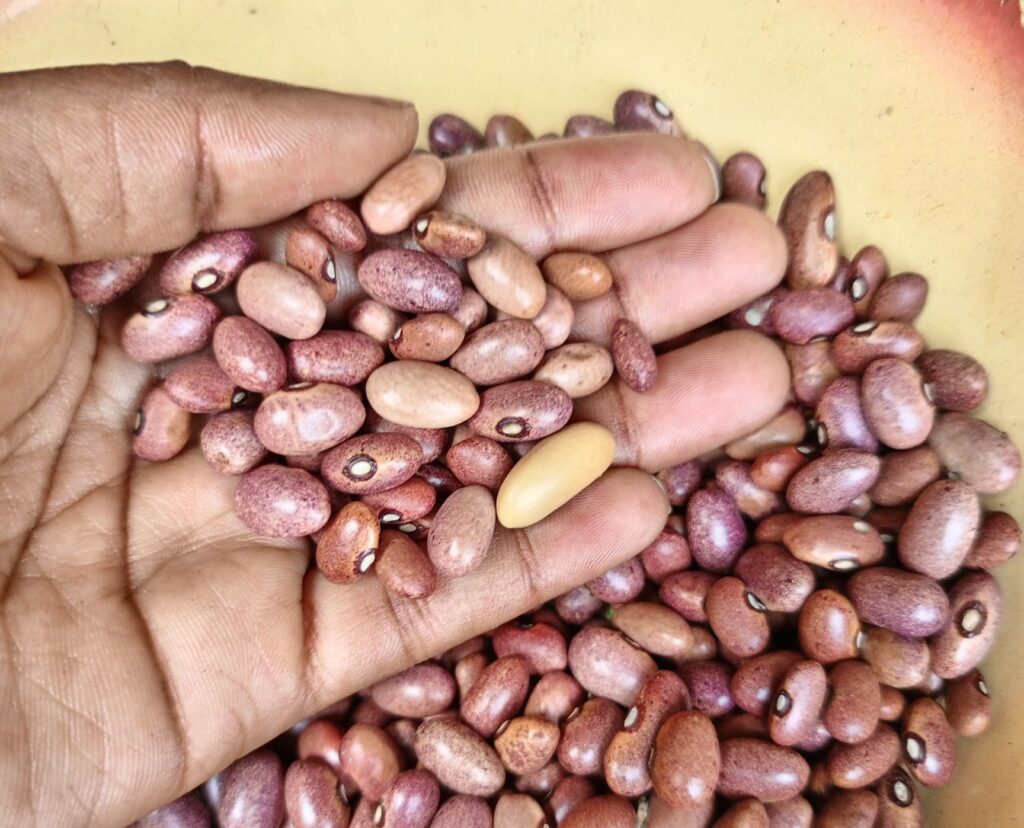
Despite the surge of synthetic fertilisers and pesticides on the market, Mrs Bamuturaki has remained committed to traditional farming methods. She recounts how her local crops—yams, beans, Irish potatoes, and maize—have flourished on her land without ever depending on chemical inputs.
“The weather may have changed, the rains may be unpredictable, but this Tooro land has never failed my local crops,” she explains, her voice steady with experience. “They have grown here for years without a single pesticide.”
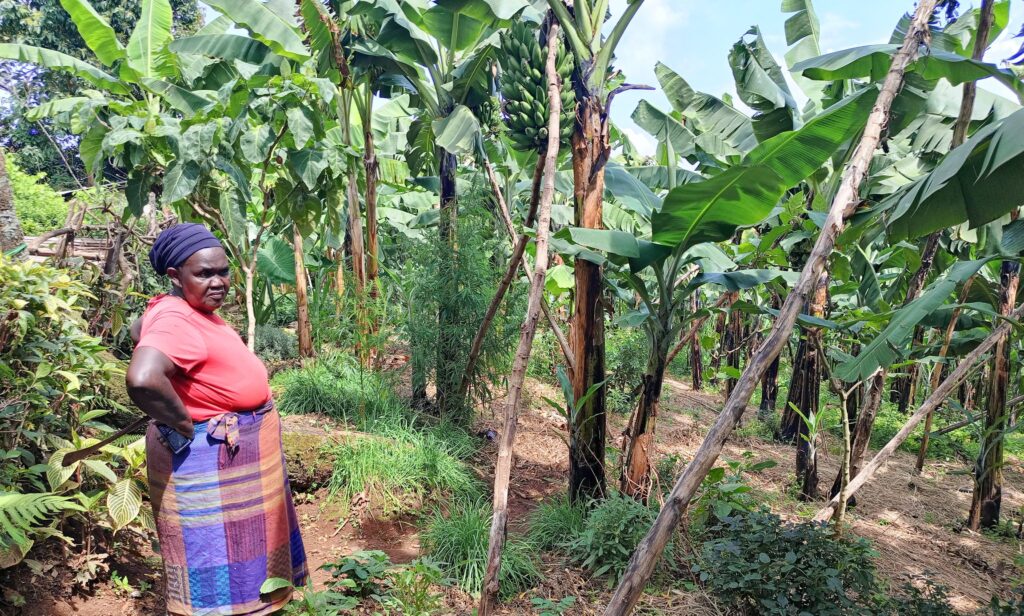
She describes her simple but intentional approach, which includes timely weeding and using the small amount of animal manure available to nourish her bananas, yams, vegetables, and other crops. In her lush banana plantation, she proudly notes that every plant is indigenous, and many have flourished for more than forty years.
However, Mrs Bamuturaki is concerned about the growing scarcity of authentic indigenous seed varieties, noting that those who still have them sometimes compromise their quality by using chemical sprays. She says this contamination is the reason the seeds often fail when planted in new soils.
To her, the purity of indigenous crops, proper maintenance, and good harvesting techniques are the pillars of sustainable farming.
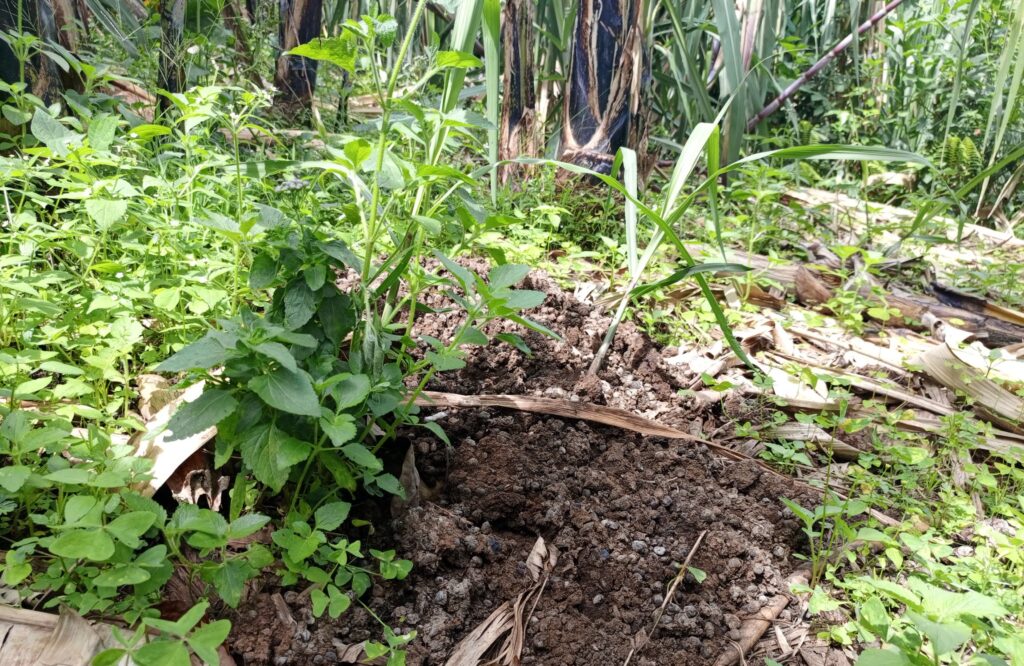
Her yams illustrate this perfectly. Now more than eight years old, a single harvested plant can fill two full basins—a yield she says attracts a ready market because of its superior taste.
Out of curiosity, she once experimented with non-indigenous vegetables on a separate piece of land. The results were disappointing.
“They took so long to wither, and the growth was poor compared to the indigenous ones,” she recalls. “Indigenous vegetables grow fast and adapt quickly.”
Beyond household experience, experts echo her perspective. According to Robert Katemburura of the African Institute for Culture and Ecology in the Rwenzori Region, the increasing presence of multinational seed companies poses a threat to local ecosystems.
He warns that hybrid seeds and synthetic agricultural chemicals—often marketed as modern solutions—carry hidden dangers.
“These chemicals kill pollinators and disrupt ecosystems,” Katemburura explains. “Once that happens, indigenous seeds struggle to survive. The few elders who still have them keep them dearly because they understand their cultural, medicinal, and nutritional value.”
He believes that community dialogues are essential to rejuvenate the use of indigenous seeds, adding that some elders who still preserve them can be brought on board once approached.
Francis Birungi, an agriculturalist working with Caritas HEWASA in the Fort Portal Diocese, notes that many traditional farmers still operate under customary land tenure systems. Despite lacking formal registration, they have long supported eco-friendly agricultural practices and are open to adopting new environmentally friendly farming methods.
Organisations such as ESAFF Uganda strongly support this movement, arguing that returning to indigenous seeds is critical for true food and seed sovereignty. This shift allows farmers to save, exchange, and replant seeds without dependence on expensive commercial seed companies.
Indigenous seeds carry rich genetic diversity developed over generations, making them naturally suited to local soils and more resilient to drought, pests, and climate shocks. However, this diversity is disappearing rapidly as traditional varieties become extinct, threatening national food security.
In essence, ESAFF Uganda notes that protecting indigenous seeds is not simply about preserving crops; it is about defending farmers’ rights, safeguarding cultural identity, restoring degraded soils, and securing a sustainable food system for generations to come.