
 Radio Wa
Radio Wa
Radio Wa
10 December 2025, 8:48 am
By Agness Agilo
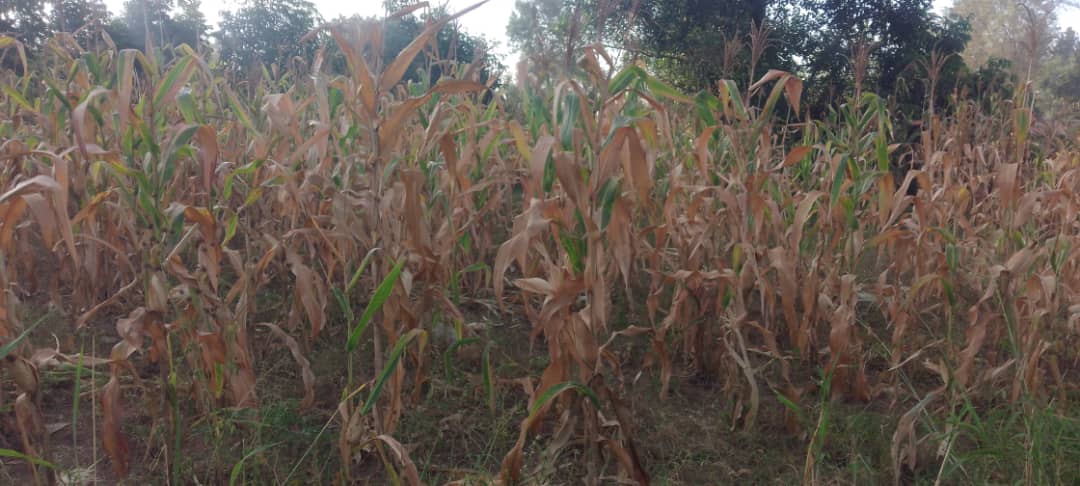
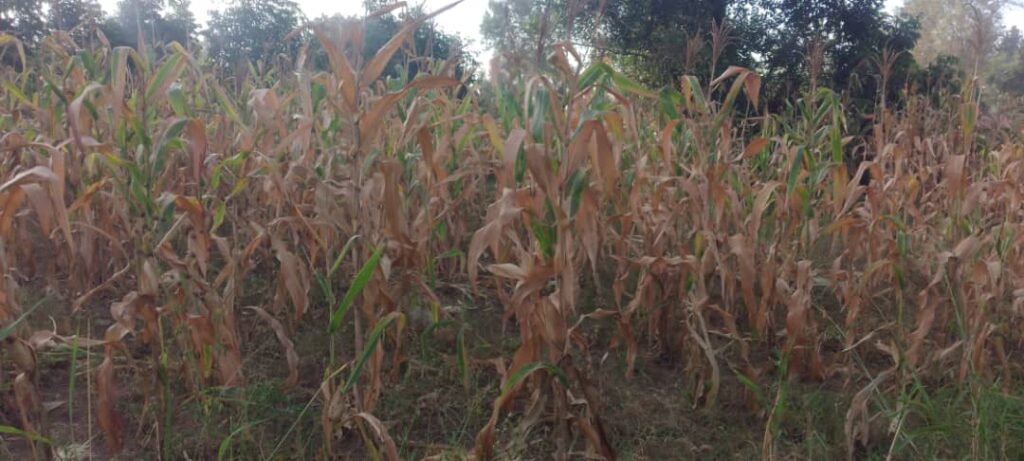
Farmers in Alito Sub-County, Kole District, are facing heavy losses after an unexpected and prolonged dry spell, now lasting around six weeks, withered their crops and left many households facing severe food shortages.
Wilson Odongo, a resident of Otkwac Village, told Radio Wa that all four acres of his maize plantation have been destroyed by the scorching weather. He fears he will be unable to repay a loan of 280,000 shillings, which he acquired from a savings group to buy seeds and pay for farm labour. Odongo described the situation as dire, noting that other food crops, such as beans, have also completely dried up, increasing the likelihood of hunger in the community.
In Barongin Village, farmer Richard Okeng shared similar frustrations. His five acres of soybeans and sunflower—crops he had intended to use to pay his children’s Term One school fees—have dried up entirely. Okeng is now appealing for government intervention, particularly food relief, saying families have been left with nothing to depend on.
Solina Adongo from Amuge Village reported losing three acres of sunflower and four acres of maize. She regrets following earlier weather forecasts that predicted rainfall would continue until November, prompting farmers to plant later in the season. With the sudden and prolonged sunshine, she says they now face uncertainty and hardship.
Alito Sub county LC3 Chairperson, Tom Benard Olet, confirmed that all 82 villages have been affected. He noted that maize and sunflower—major crops in the area—have been severely damaged. Olet acknowledged that farmers had relied on weather forecasts predicting rainfall through November, which led many to plant as late as September. Unfortunately, the unexpected drought has destroyed nearly all their efforts.
Olet advised households that still have some food harvests to avoid selling them, warning that the remaining supplies may be essential for feeding families and ensuring that children can return to school.
George William Omony, the Principal Meteorologist at the headquarters in Entebbe, acknowledged that the country is currently experiencing high temperatures. He attributed this to the excessive rainfall in October and early November. Omony explained that following a period of heavy and consistent downpours, a weather system often brings prolonged sunshine for two or more weeks, which accounts for the current dry spell.
He noted, however, that the sunshine is now becoming weaker compared to previous weeks. Omony added that the dry season in Northern Uganda typically begins in December, meaning that even if rains resume, the region is already entering the dry season. He also mentioned that the weather forecast indicates slight rainfall around 15–17 December, but emphasised that this would only benefit crops like groundnuts and would not significantly help other crops still in their early stages.
Omony also stressed that farmers are expected to plant fast-maturing crops in August, which take around three months to grow. He emphasised that by September it is too late to carry out planting activities, as the dry season in the northern region begins in December, reiterating the importance of planting during the last season in August.
The prolonged drought in Alito Sub county has created a looming food insecurity crisis, leaving farmers burdened with debts, crop losses, and uncertainty about the coming months. With weather predictions proving unreliable and harvests destroyed, community members are urgently calling for government assistance to help them recover and support their families.