
 Radio Wa
Radio Wa
Radio Wa
27 January 2026, 3:28 pm
By Agness Agilo
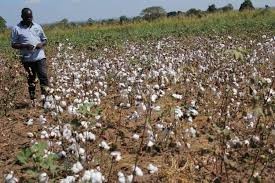
Farmers in the Lango subregion have attributed the steady decline in cotton production to drastic changes in weather patterns, the crop’s long maturity period, and persistently low market prices.
Peter Alele, a farmer from Agali Subcounty in Lira District, told Radio Wa that cotton was once among the leading cash crops in the region. However, due to its perennial nature and increasingly unpredictable weather, many farmers have abandoned it in favour of fast-maturing and better-paying alternatives such as improved sunflower, soya beans, and maize.
Alele explained that cotton takes about six months to mature and requires intensive management, including up to five rounds of weeding and pesticide spraying to achieve good yields. With erratic rainfall patterns, farmers face high production costs, yet the farm-gate price of cotton remains low, selling at between 300 and 400 shillings per kilogram.
He added that cotton has largely been replaced by improved varieties of sunflower, which mature in just three months and require only one or two sprayings before harvest, making them more affordable and profitable for farmers.
Another farmer, Alfred Obaro from Ayago in Lira City East Division, noted that cotton has not undergone sufficient scientific improvement to adapt to current climatic conditions. He said its perennial nature restricts farmers to planting only once a year, unlike crops such as sunflower, which can be grown twice annually. This, he observed, has further discouraged farmers from cultivating cotton.
Obaro called on the government to invest in improving cotton seed varieties to reduce their maturity period and to regulate cotton prices. He emphasised that the combination of low prices and unfavourable climatic conditions, largely caused by environmental degradation, has made cotton growing increasingly unviable.
Lira District Production Officer, Thomas Okello, acknowledged that cotton was once a lucrative cash crop that significantly improved livelihoods in the Lango subregion. However, he noted that the collapse of cooperative societies over time left farmers without reliable markets, prompting many to switch to sunflower, soya beans, and maize, which have readily available markets and shorter maturity periods of around three months.
Okello revealed that the Ministry of Agriculture has introduced new initiatives aimed at reviving cotton production. These include plans to promote large-scale cotton farming and the introduction of improved cotton seed varieties that mature faster than traditional ones. He emphasised that the new varieties are designed to better withstand current changes in weather patterns.
While cotton once played a central role in the economy of the Lango subregion, climate change, high production costs, weak markets, and low prices have pushed farmers towards alternative cash crops. Stakeholders now hope that government interventions, particularly the introduction of improved seed varieties and better price regulation, could restore farmers’ confidence and revive cotton cultivation in the region.