
 Radio Wa
Radio Wa
Radio Wa
25 March 2026, 9:22 am
By Agness Agilo
Farmers across the Lango Subregion have raised alarm over the circulation of counterfeit and substandard seeds, even as weather conditions remain favorable for planting.
In Oyam District, a farmer identified as Kakson Odongo shared his frustration after purchasing an improved maize seed variety worth UGX 80,000 from a shop in Lira City. He reported that the seeds failed to germinate, leading him to suspect that he had unknowingly bought fake or low-quality inputs that may not suit the current climatic conditions.
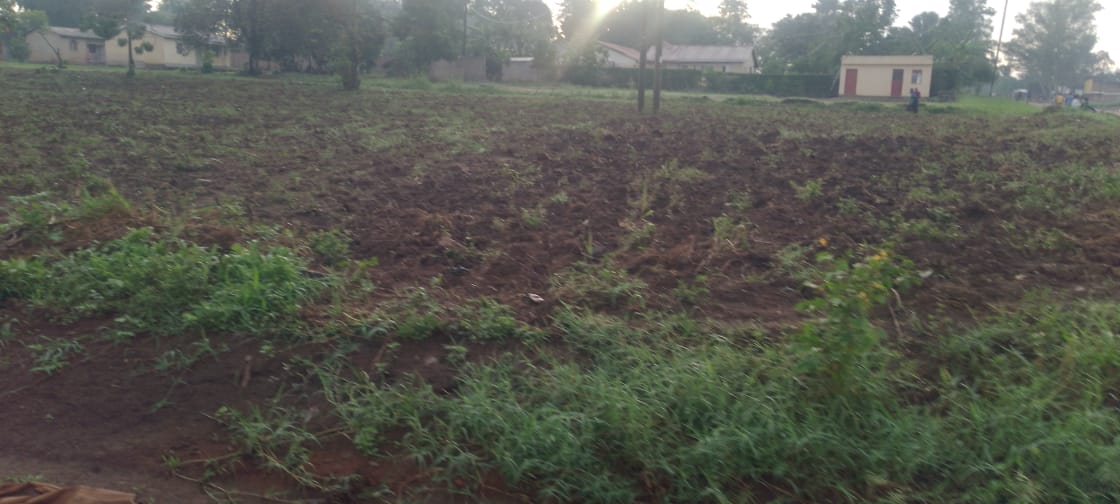
A similar concern was echoed by Alfred Ongedi from Aboke Town Council. Ongedi revealed that he invested in maize seeds for his three-acre farm, but none germinated despite planting at the recommended time based on meteorological guidance. He called on agro-input dealers to crack down on illegal suppliers distributing counterfeit seeds that fail to match soil conditions and weather patterns.
He further emphasised that with changing climate conditions, farmers need access to scientifically improved seed varieties that can withstand environmental stress.
Responding to these concerns, Brian Ogola, a manager at Agro Supply Limited, urged farmers to only purchase seeds from certified and reputable dealers. He noted that new maize varieties, such as Zam seed, one of the drought-resistant and fast-maturing options, have been introduced to help farmers adapt to climate variability. He also highlighted the importance of proper agronomic practices, including fertiliser application, pest control, and timely weeding, to improve yields.
Meanwhile, Patrick Alip advised farmers to buy inputs strictly from registered agro-input shops. He added that any seeds that fail to germinate should be returned to the supplier for accountability.
While favorable weather offers hope for a productive planting season, the spread of fake seeds threatens farmers’ investments and food security in the Lango subregion. Strengthening regulation of agro-input markets and raising farmer awareness will be essential to safeguard agricultural productivity and livelihoods.