
 Radio Wa
Radio Wa
Radio Wa
25 March 2026, 9:32 am
By Agness Agilo
Women farmers in Lira District are raising concerns over their limited involvement in climate decision-making processes, warning that their exclusion is weakening efforts to cope with the increasing effects of climate change on rural livelihoods.
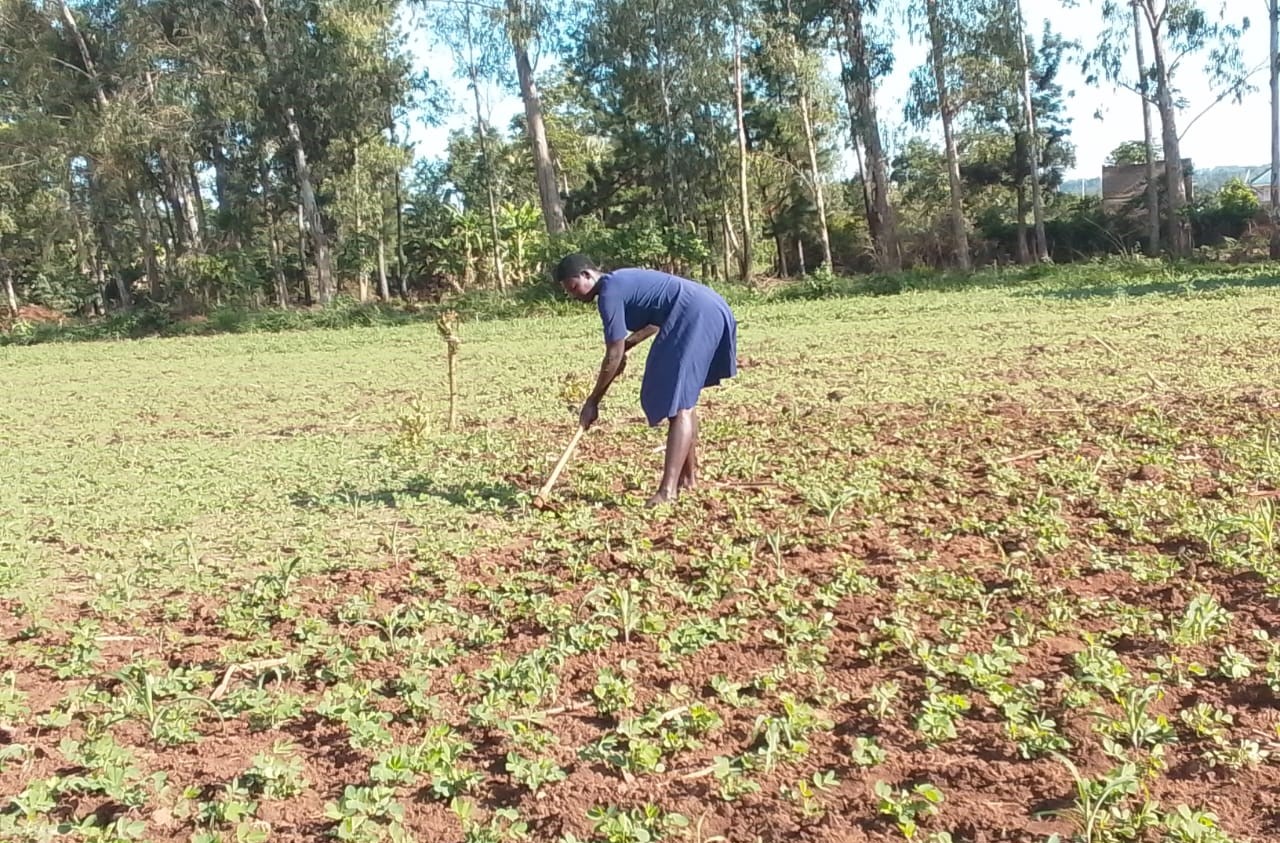
Across subcounties such as Agweng, Aromo, Ogur, Ayami, and Barr, women say they play a central role in food production and household sustenance. Despite this, they are often left out of meetings and planning forums where critical decisions on climate interventions are made.
Florence Apio, a farmer from Agweng subcounty, explained that women are deeply involved in farming activities, from planting and weeding to harvesting and feeding their families, yet they lack access to vital information, resources, and platforms that would allow them to influence decisions. She added that erratic rainfall patterns and prolonged droughts have intensified their workload, particularly in sourcing water and managing crops under harsh conditions.
In Aromo subcounty, Beatrice Otim, a leader of a women’s group, noted that climate-related initiatives such as the distribution of improved seeds and training programs are sometimes carried out without adequately involving women, even though they are the primary beneficiaries. She pointed out that these disconnect often lead to interventions that fail to address the real needs on the ground.
Lira District Community Development Officer Christine Anono acknowledged that entrenched cultural norms and structural barriers continue to hinder women’s participation in leadership and decision-making spaces. While policies promoting gender inclusion exist, she said their implementation at the grassroots level remains insufficient.
Meanwhile, Lira District Agricultural Officer Alip Patrick emphasised that equipping women with knowledge, land access, and climate information could greatly strengthen household resilience. He noted that women are more inclined to adopt sustainable farming practices when given the necessary support and opportunities.
Environmental advocates in the region argue that sidelining women in climate discussions not only affects individual households but also slows broader community adaptation efforts. Community members are now urging for deliberate and structured inclusions of women in planning processes, equal access to climate programs, and targeted support to amplify their voices. Stakeholders advise that meaningful inclusion of women will be essential in building resilient communities and securing food systems across Northern Uganda.