
 Kasese Guide Radio
Kasese Guide Radio
Kasese Guide Radio
22 November 2025, 3:23 pm
By Kaguta Joel
Families displaced by floods in Kasese District have embraced climate-smart farming initiatives to achieve food security and build resilience against future climate shocks.
In May 2020, several families across the district woke up to find they had lost everything—their homes, crop gardens, livelihoods, and most painfully, the places they called home—due to flooding from rivers flowing down the Rwenzori Mountains.
The reality of that disaster is reflected in the 2,000 people who remain displaced and are currently living at Muhokya Internally Displaced Persons (IDP) camp along the Kasese–Mbarara Highway in Muhokya Town Council, about 10 kilometres from Kasese town.
Janet Nyangoma, a resident of Kanyangeya Cell in Kasese Municipality, is among those affected. Her five-room permanent house was swept away, along with all her belongings, including important documents such as baptism cards for her children.
Nyangoma and others were relocated to Muhokya camp with the hope of permanent resettlement by the government, but the process has been delayed. The Office of the Prime Minister has been providing aid to the displaced, but with a global reduction in humanitarian support, food aid to the camp has drastically decreased over the years, resulting in widespread food insecurity and malnutrition among children.
This forced Nyangoma, a mother of six, to dig and work for other people to earn a living and support her family while the government searches for a permanent relocation site.
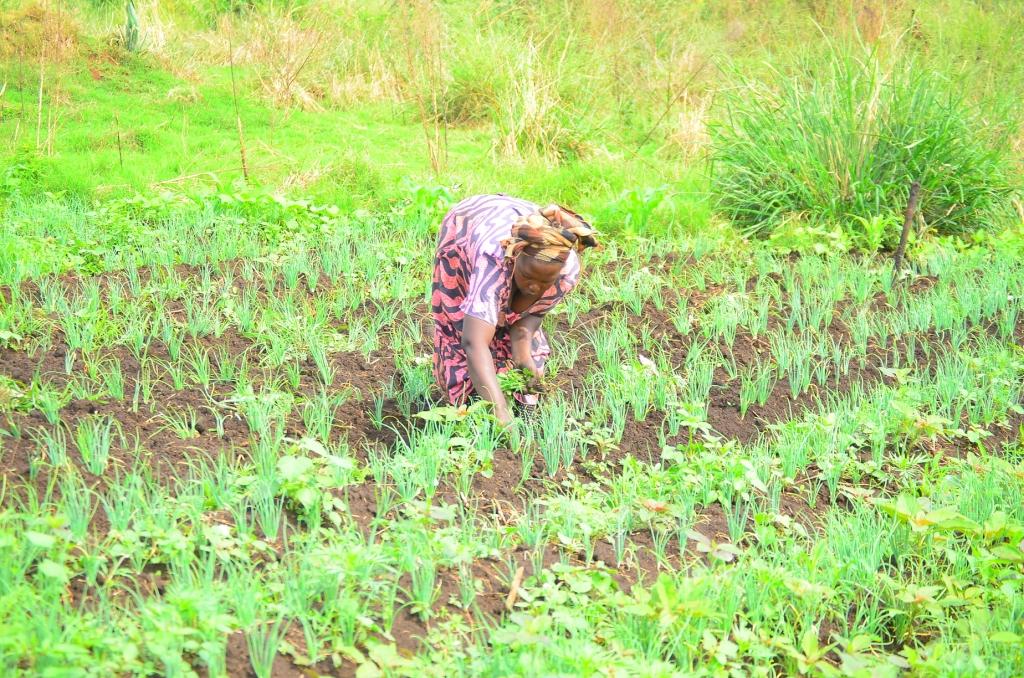
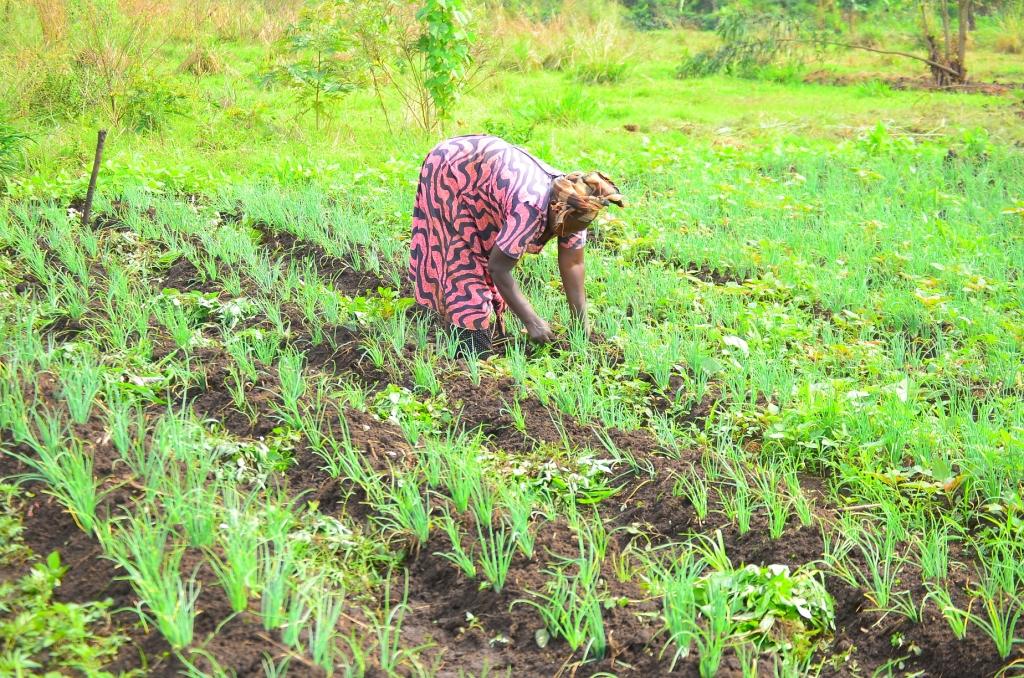
Nyangoma explained that, after failing to access land to grow her own food, she was introduced to a climate-smart farming initiative by Abayuuti Climate Action Network.
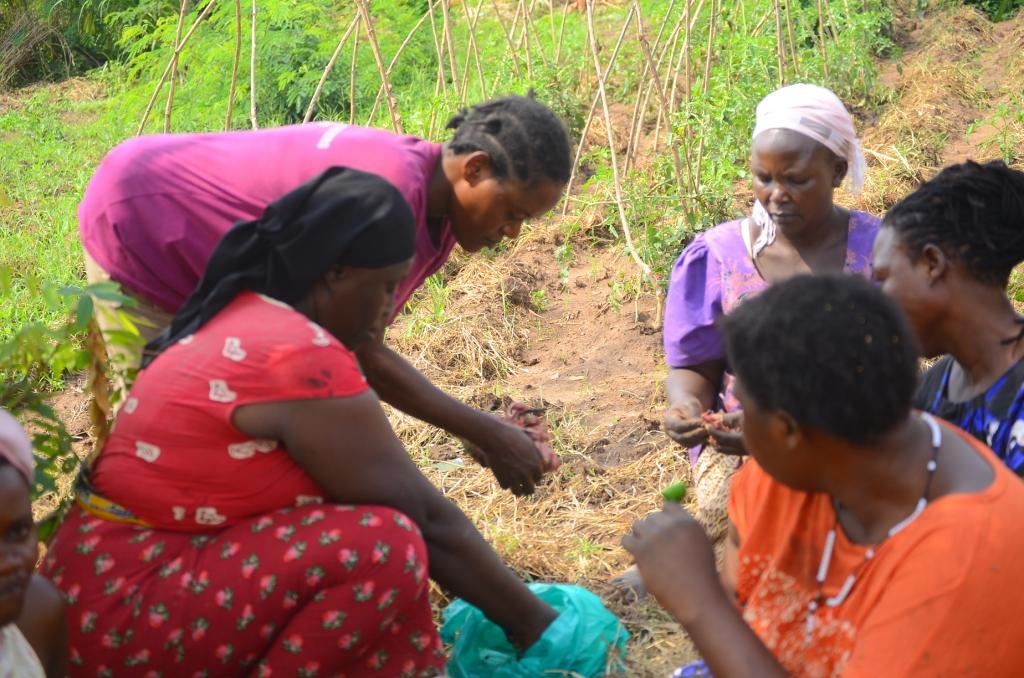
The organisation hired land for displaced families and assigned an agricultural extension officer to guide the farmers on best climate-smart practices.
Now, Nyangoma has rented land in Busambo Cell, Muhokya Town Council, where she is cultivating an acre of onions.
Mr Chrispus Mwemaho, co-founder of Abayuuti Climate Action Network, explained that their intervention has enabled displaced families to achieve food security and build resilience through climate-smart farming.
“Families are now able to grow their own food and feed their households,” Mr Mwemaho said.
Nyangoma added that, as a proud mother, her children are able to pay school fees on time, and she has managed to meet basic necessities such as kerosene, soap, food, medication, and clothing.
The initiative by Abayuuti Climate Action Network has transformed displacement into an opportunity, restoring dignity, hope and a future for people living in the camp.
Mr Edson Agaba, Kasese District Agricultural Engineer, disclosed that the agricultural department is currently implementing a micro-scale irrigation programme to help farmers establish mini irrigation schemes on their farms.