
 Kasese Guide Radio
Kasese Guide Radio
Kasese Guide Radio
5 January 2026, 7:20 pm
By Yoweri Kaguta
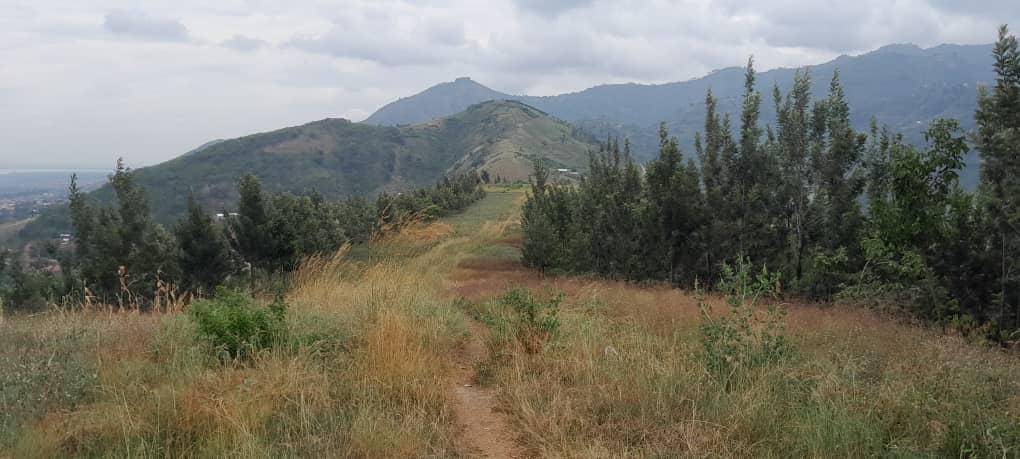
Uganda’s Kasese District, home to the majestic Rwenzori Mountains, is grappling with numerous bare hills primarily caused by deforestation from charcoal burning, unsustainable farming, and encroachment.
These illegal activities are resulting in severe soil and water erosion, siltation of Lake George in the western rift valley escarpment, and increased flooding. Several local organisations are actively planting trees to address this environmental crisis.
Hills such as Rwenzururu Royal Hill, Butsumba-Muru, Kirembe-Nyamirangara, and Busambu, all located on the foothills of the Mountains of the Moon, are suffering from human activities that strip away vegetation, leaving the land vulnerable and impacting local livelihoods and water bodies.
The increased siltation caused by soil erosion on Nyamirami-Kyamiza Hills, overlooking Lake George in Kahendero Cell, Muhokya Town Council, poses a significant risk to aquatic life in the lake.
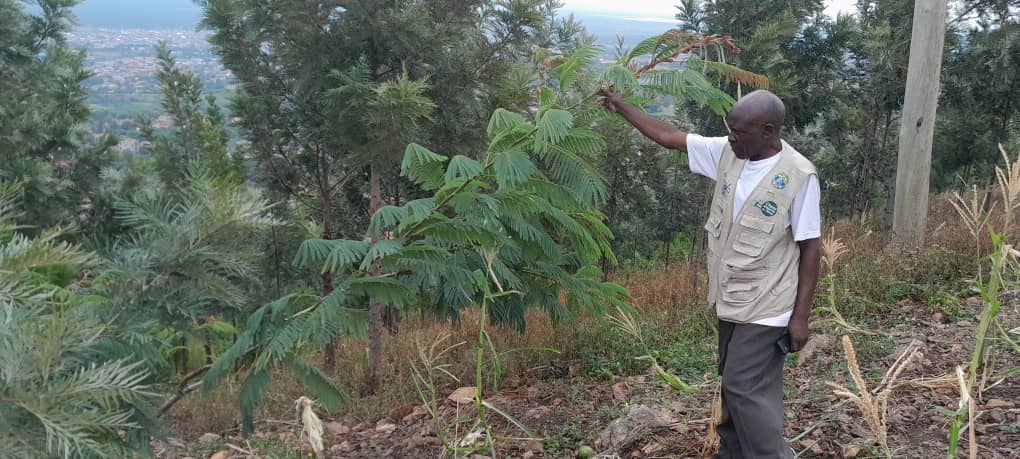
Mr Samson Muhindo Nzoboli is one of the locals who has dedicated his life to championing the tree-planting campaign on the Rwenzururu Kingdom Royal Hills, overlooking Kasese town.
Nzoboli explained that the initiative, which began more than ten years ago, is now yielding tangible results. The once-bare hill is now covered with over 6,441 trees.
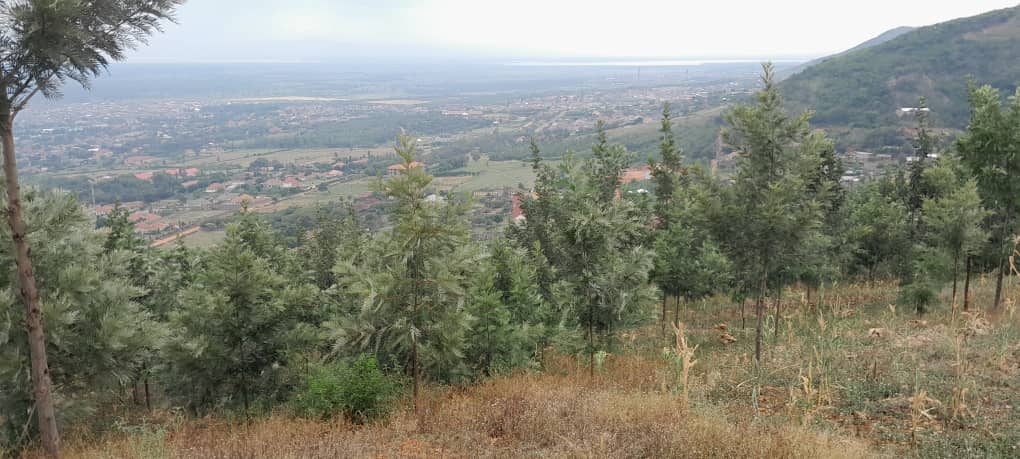
“No one believed that trees would grow successfully here, but you can see how the area has transformed into a forest,” Mr Nzoboli said.
He emphasised the crucial role trees play in human livelihoods. “Without trees, this world would be a dangerous place for human beings,” he said.
The United Nations Environment Programme has documented how trees are vital in the fight against climate change, as they absorb CO₂ and help regulate temperatures.
Trees also support biodiversity by providing habitats for terrestrial species and supplying humans with clean air, water, food, and medicine. More than 1.6 billion people worldwide rely on trees for their livelihoods.
Importantly, trees protect ecosystems by preventing erosion, reducing floods, and stabilising soil. Nzoboli noted that traditional tree species are recommended for planting on the hills, as they are resilient to the harsh climatic conditions experienced in Kasese.
Tree species found on the hills include Podocarpus (locally known as Obwipe), Greveria, Macmia (Omusambya), Bark tree (Omuthoma), and other medicinal trees that are climate-resilient.
To strengthen environmental conservation in the Rwenzori sub-region, non-governmental organisations have allocated funds to support tree-planting initiatives.
At the Conservation and Development Agency (CODEA) Uganda, the 20-year Rwenzori Yethu Project was launched to promote ecological restoration and climate resilience in Kasese and Ntoroko districts.
Mr Zaloti Kipupa explained that by the end of the project, they aim to plant millions of trees, restore degraded lands, and empower over 11,000 households through agroforestry.
He added that households will have opportunities to earn income through carbon credit generation, improved farm yields, and sustainable livelihoods, blending conservation with community welfare.
In November 2025, Centenary Bank, in partnership with the Good Forests Foundation and the Kasese District Local Government, launched a greening initiative to plant 5,000 fruit and timber trees across the district.
The initiative forms a key part of the Bank’s sustainability agenda, which aims to plant at least 70,000 trees across Uganda in 2025, with 60,000 trees already planted in various parts of the country.
This effort reinforces Centenary Bank’s commitment to sustainable development, environmental conservation, and community well-being. The joint initiative seeks to enhance local environmental resilience, improve air quality, and strengthen cooperation between the private sector and local communities.
Uganda’s Third Voluntary National Review Report of 2024 indicates that forest cover has increased from 9.5% in 2015 to 13.3%, but more work is needed to reach the target of 15% forest cover by 2026.
This recovery remains fragile, and continued deforestation could quickly reverse these gains, with severe consequences for Uganda’s people and environment. Interventions are therefore critical to mitigate these effects.
Nzoboli explained that to scale up tree planting, the Rwenzururu Kingdom, through the Environment and Tourism Office, has tasked clan leaders to encourage their communities to individually plant indigenous tree species.