
 QFM
QFM
QFM
QFM
11 April 2026, 8:11 pm

By: Andrew Ogwang
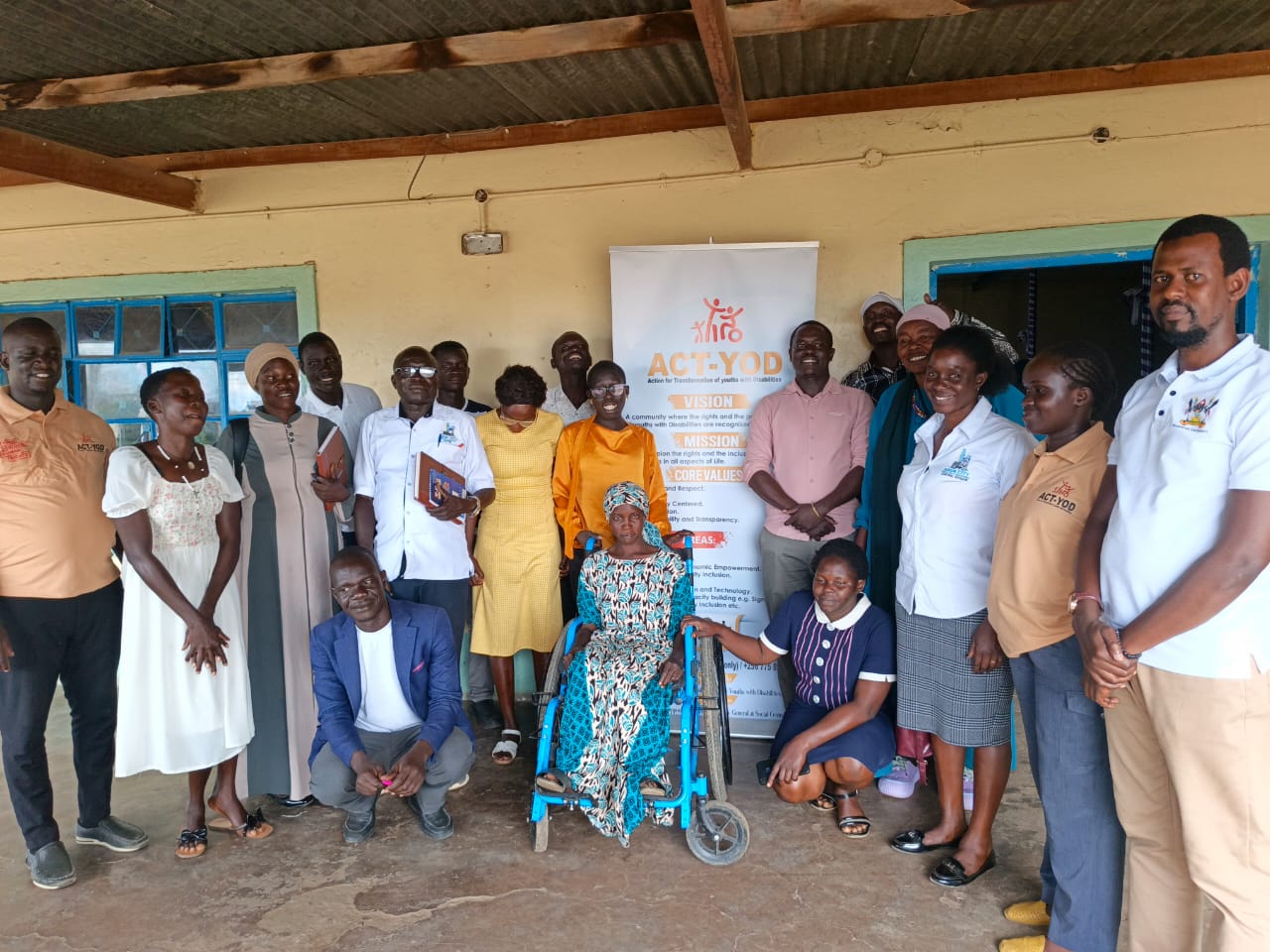
Arua City, Uganda — ACT-YOD, with funding from the Funds for Global Human Rights, has launched a training program aimed at empowering youth with disabilities and key community leaders to advocate for disability rights and improve access to government programs.
The training brings together Disability Youth Champions and Principal Town Agents to deepen their understanding of disability rights, legal frameworks, and the barriers that hinder youth with disabilities from fully benefiting from government initiatives.
Speaking during the training, Program Coordinator Maxwell Asiku emphasized the importance of equipping participants with knowledge and skills to address the challenges faced by persons with disabilities. He noted that the initiative is designed to strengthen leadership and advocacy, particularly in accessing programs such as the Parish Development Model (PDM) and other government interventions intended to promote inclusive development.

“Asiku explained that this training will open up avenues to confront the systemic barriers that continue to exclude youths with disabilities from government programs,” he said. He further urged civil servants involved in implementing disability-focused initiatives to actively sensitize beneficiaries. He stressed that ACT-YOD remains committed to mobilizing communities and ensuring that persons with disabilities benefit from these programs.
Akua Amos, a Town Agent for Baazar Ward in Central Division, Arua City, highlighted a key challenge affecting program access. She noted that many persons with disabilities are not organized into groups, which limits their eligibility for government support.

“Without organized groups, it becomes difficult for government programs targeting persons with disabilities to reach them,” Amos explained. She encouraged persons with disabilities to form groups, register, and seek verification and approval from their town agents. This, she said, would enable them to access available opportunities, including the 10 percent allocation designated for special interest groups.
Meanwhile, ACT-YOD Executive Director Twalib Ayub Ali underscored the organization’s mission of empowering communities through knowledge and unity. He stated that the training is part of a broader effort to amplify the voices of persons with disabilities and promote their rights.

“Our aim is to empower change by training Disability Youth Champions and Principal Town Agents to unite, advocate for disability rights, understand legal frameworks, and break down existing barriers,” he said.
During the training, Sign Language Instructor and beneficiary, Davis Muaster Okuga, revealed that Arua City has over 4,782 persons with disabilities, many of whom are not benefiting from the 10 percent allocation meant for special interest groups and other government programs.

He called on Town Agents to strengthen coordination and ensure that eligible persons with disabilities are reached.
Okuga expressed optimism that with improved mobilization and inclusion, more beneficiaries like himself will be able to access these opportunities.
The initiative marks a significant step toward inclusive participation, ensuring that youth with disabilities are not left behind in national development programs.