
 QFM
QFM
QFM
QFM
4 April 2026, 3:40 pm
By Andrew Ogwang
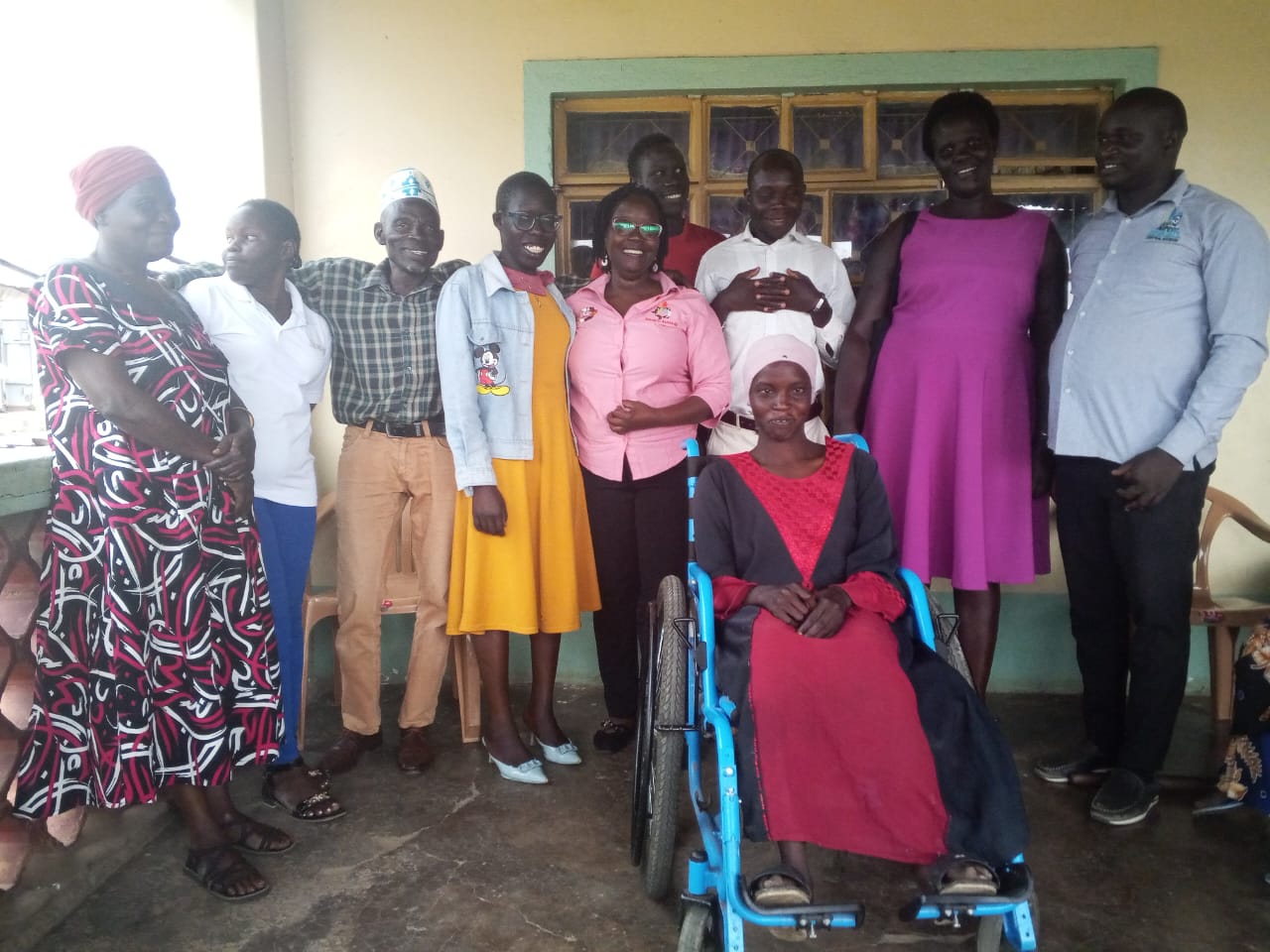
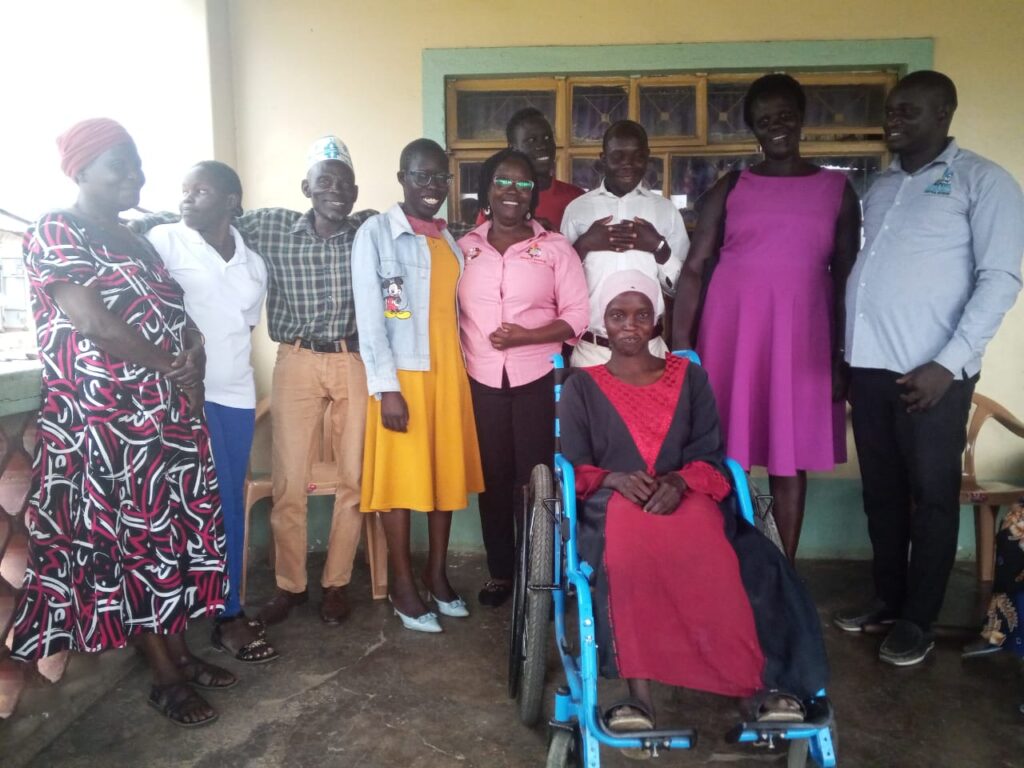
The Arua Central Division Union of Persons with Disabilities, in partnership with ACT-YOD and with support from the Fund for Global Human Rights through the Empowering Youths with Disabilities for Inclusive Governance (LEAD) Project, has intensified coordination efforts towards the formation of the Arua Central Division Association of Youths with Disabilities. The LEAD Project aims to enhance the participation and representation of youths with disabilities in governance structures.
This initiative seeks to mobilise, organise and unite youths with disabilities while strengthening their voice in governance and advocacy processes.
During a meeting held today and moderated by Mr Maxwel Asiku, Programmes Coordinator of ACT-YOD, he appreciated the youths with disabilities for their active participation in electing their representatives. These leaders are expected to advocate for inclusion and help monitor both government and non-government service delivery to ensure it effectively benefits youths with disabilities (YWDs).
Speaking at the meeting, the Community Development Officer for Arua Central Division, Mrs Adiru Victoria, commended the initiative and pledged full government support to the newly formed youth association. She highlighted key opportunities such as Ocoko Rehabilitation Centre, which focuses on skilling youths with disabilities, noting that the main challenge has been a lack of mobilisation and organisation—an issue now being addressed through the formation of the association.
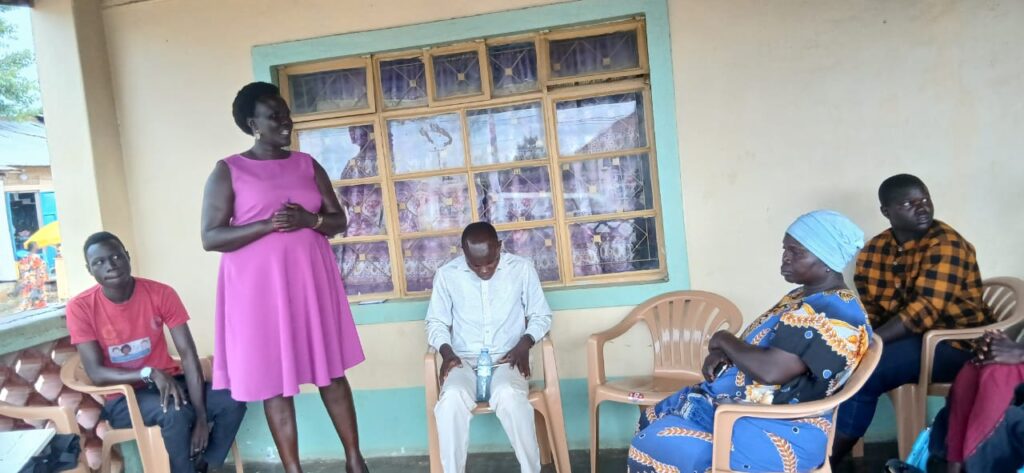
Mrs Adiru further expressed appreciation to the Fund for Global Human Rights for supporting ACT-YOD through the LEAD Project and emphasised that organised groups of YWDs are better positioned to benefit from government programmes such as the Parish Development Model (PDM). She also highlighted the availability of opportunities for linkages with various government departments, development partners, and implementing organisations, noting that her office is committed to connecting ACT-YOD and the newly formed association with these partners to enhance access to services, funding opportunities, skilling programmes and inclusive development initiatives.
She assured ACT-YOD and participants of continued collaboration and support to ensure that youths with disabilities are effectively reached, empowered, and included in all relevant programmes.
Mr Twalib Ayub Ali, Executive Director of ACT-YOD, reaffirmed the organisation’s commitment to supporting persons with disabilities. He noted that the elected leaders will play a key role in organising, coordinating, and implementing activities under ACT-YOD and the LEAD Project, with support from government stakeholders and development partners.
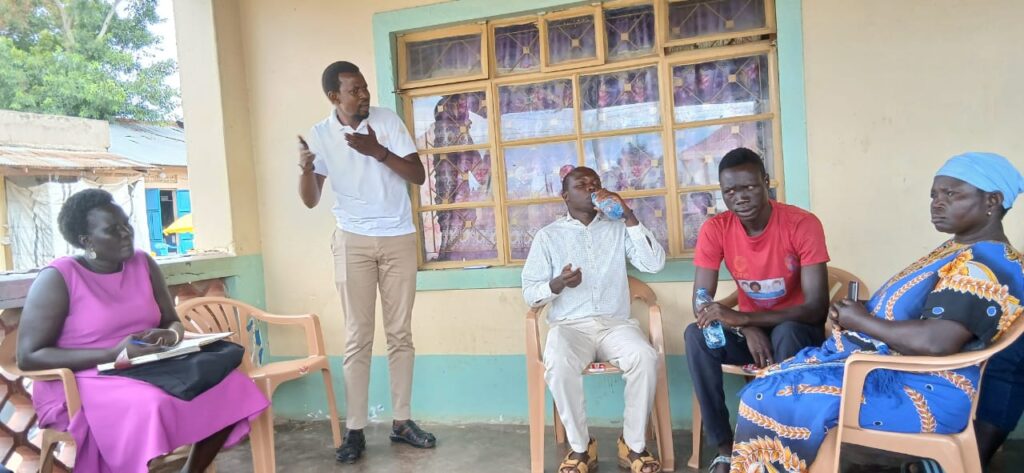
He also called upon more donors to support initiatives that empower youths with disabilities, recognising and celebrating their potential.
Additionally, he suggested that leadership positions for youth representatives should be limited to individuals aged 35 years and under, in line with youth leadership standards.
Mr Ajiga Ashraf, Chairperson of the Arua City Central Division Union of Persons with Disabilities, highlighted the challenges faced by PWDs, particularly in business environments such as Arua Main Market, where many feel neglected and excluded. He noted ongoing engagements with market leadership to address these concerns and promote inclusion.
He encouraged youths with disabilities to actively participate in government programmes, noting that many opportunities require organised groups to access benefits. He further emphasised the importance of unity, mentorship, and the transition of leadership from older members to the younger generation.
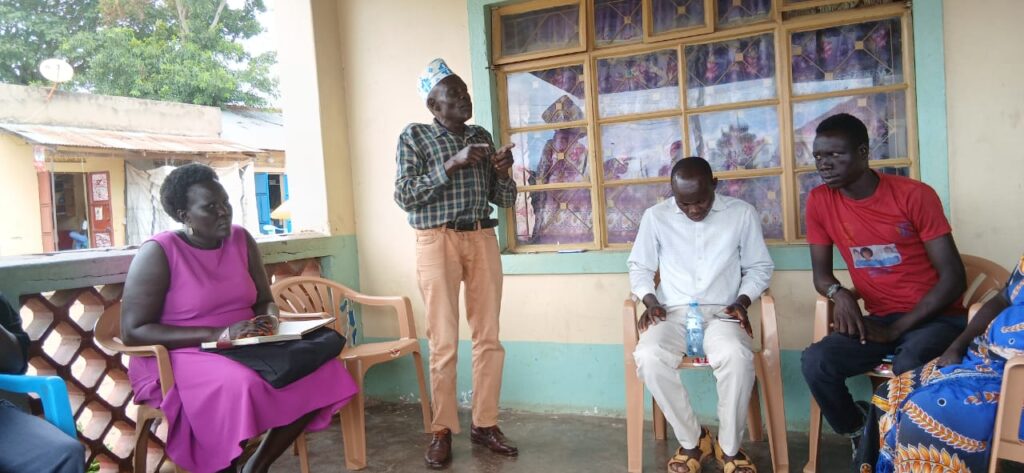
He commended the Deaf community for their strong cooperation and unity and urged others to emulate this spirit. He also called on development partners and government stakeholders to increase support for disability inclusion initiatives through ACT-YOD.
The Executive Director of Upendo ni Baraka, a community-based organisation supporting women and girls with disabilities, shared that many PWDs have already benefited from PDM programmes, particularly in Eastern Uganda. She pledged to strengthen coordination and information sharing so that more youths with disabilities can access opportunities under government and partner programmes.
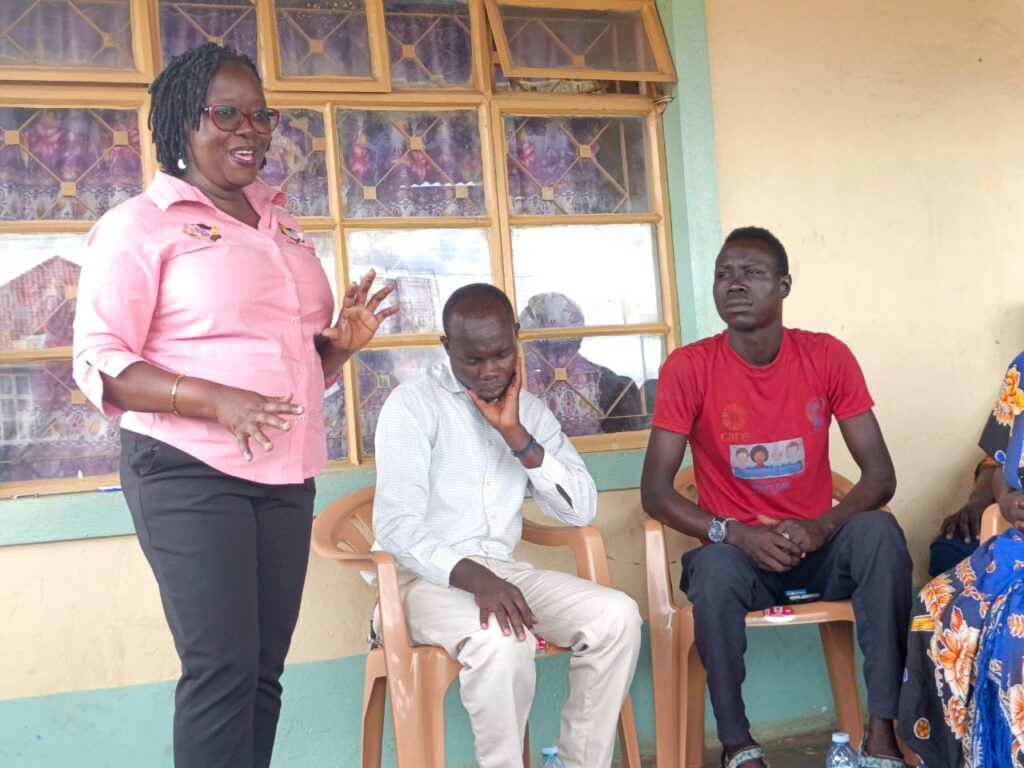
She concluded by urging both YWDs and government officials to strengthen coordination and cooperation before and during programme implementation to ensure inclusive and effective service delivery.