
 QFM
QFM
QFM
QFM
5 May 2026, 2:37 pm
By Frank Oyugi
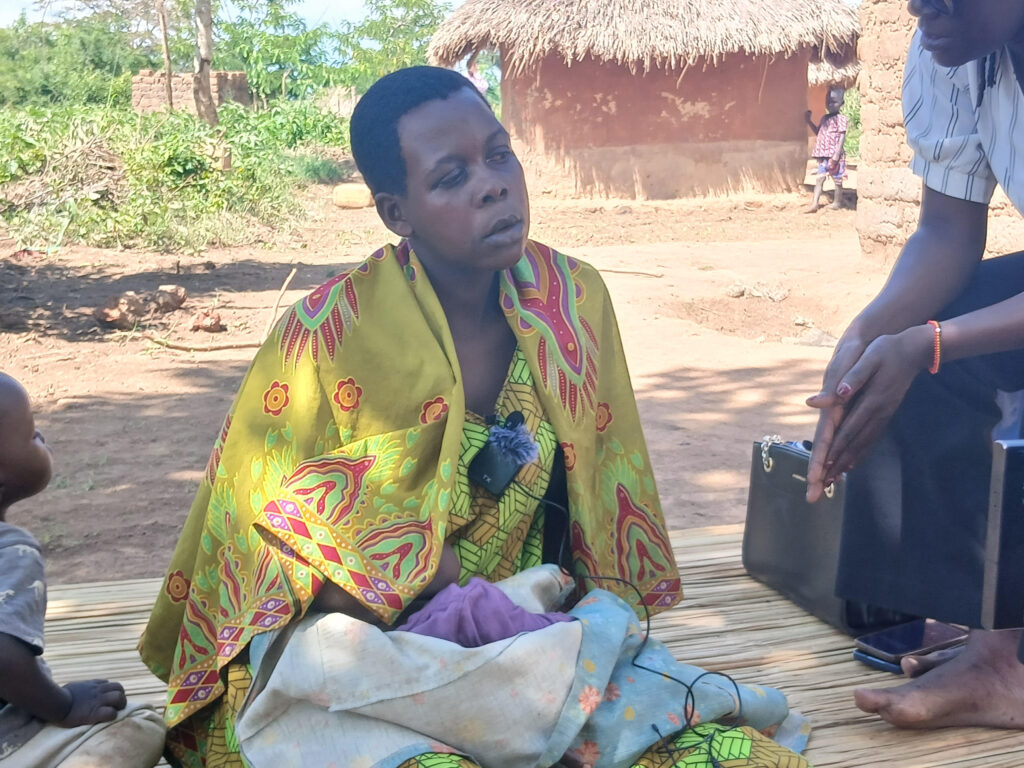
AMOLATAR — Under a bright but slightly overcast sky, we begin a journey of over 100 kilometres towards the heart of Uganda: Amolatar District. We are on a mission to document the remarkable story of Kevin Acila—a woman who was once lost in darkness but can now see again, thanks to a collaborative effort between the Ophthalmology Department of Lira Regional Referral Hospital, Amolatar Health Centre IV, and the Kilimanjaro Centre for Community Ophthalmology.
The journey is not without its challenges. To reach Kevin in Etam Town Council, we must navigate the flooded plains of the Wi-Olik swamp, taking long detours to avoid impassable roads. However, the destination makes the struggle worthwhile.
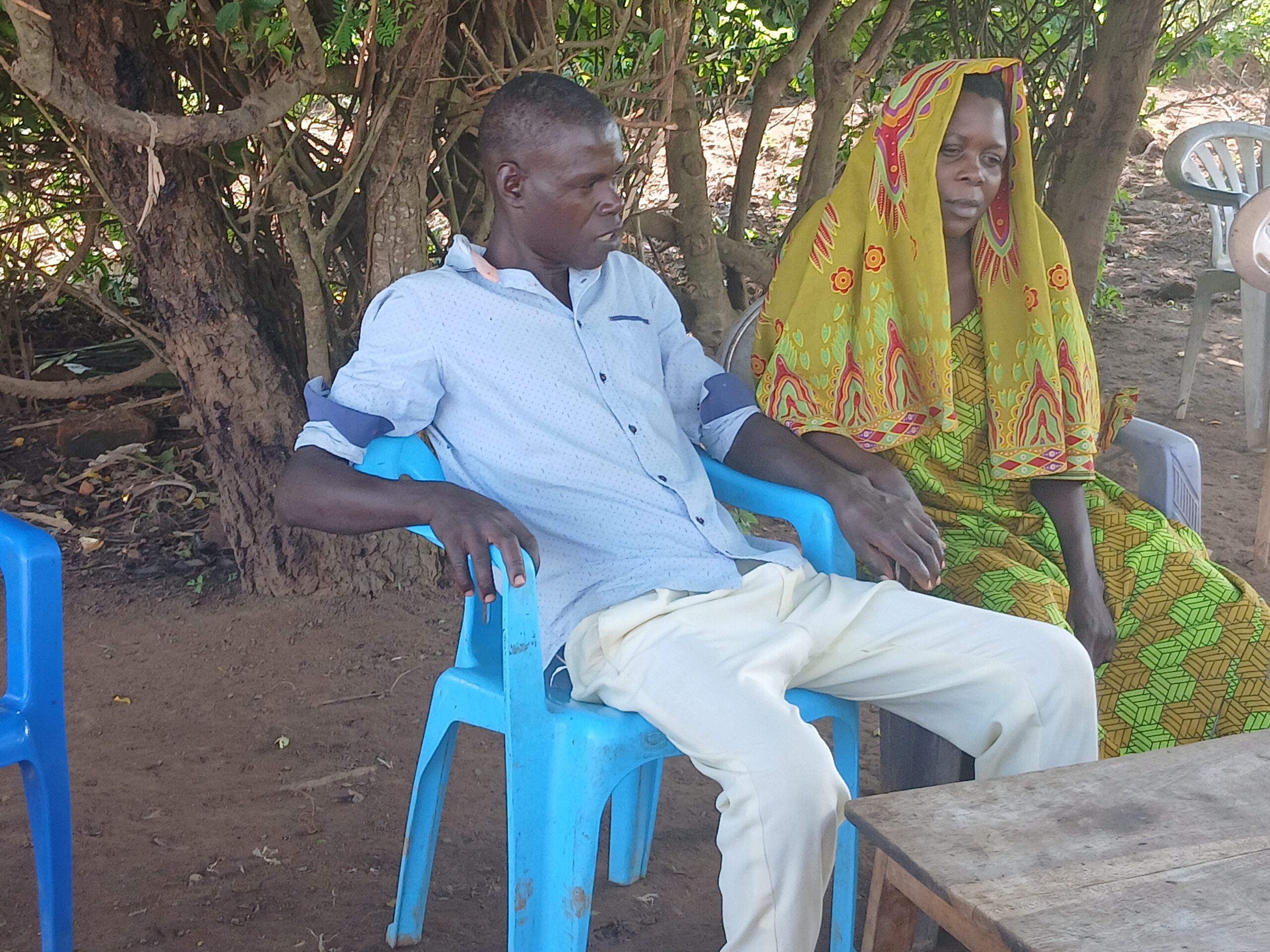
Born with perfect vision, Kevin’s world began to fade at the age of 17. She developed cataracts, a condition that would eventually take away nearly 20 years of her life. Despite the encroaching darkness, fate intervened in 2018 when she met Yubu Akwanga. Their developing relationship was bittersweet; while they found love, Kevin’s sight was deteriorating rapidly.
“When I met Yubu, I had not yet fully realised the extent of my impairment,” Kevin recalls. “But I noticed I could no longer manage household chores with ease. Sometimes I would stumble over items in the house, unable to see where I was going.”
In a society where domestic responsibilities often fall on women, Kevin’s condition could have been a breaking point. Instead, it revealed the depth of her husband’s devotion.
“When I realised my wife could not see, I was not heartbroken—I simply accepted our reality,” Yubu says. “I took over the household duties. I would tend the garden, sort the beans, cook, and even bathe the children.”
The seriousness of Kevin’s condition became evident during a routine family chore. Her father-in-law, Felix Orech, recalls asking her to sort maize for milling. She failed to notice a 200-shilling coin mixed in the grain. When it entered the milling machine, it caused significant damage—an incident that confirmed the extent of her visual impairment.
“I was heartbroken,” Orech recounts. “But I accepted her. I could not reject her because of the love she shares with my son. I knew I had to support them.”
Today, after ten years of marriage, the couple has five children: seven-year-old Prisca Adongo, five-year-old twins Opio Isaac and Acen Deborah, and two-year-old Orech Aron. For many years, Kevin knew her children only through their voices and the touch of their hands.
The breakthrough came on March 23, 2026, when Kevin attended an eye camp at Amolatar Health Centre IV. There, she was assessed by Isaac Ekwan, a Clinical Officer and Programme Manager at Lira Regional Referral Hospital.
Following assessment, Kevin was fast-tracked for surgery, which was carried out the following day. The procedure was successful.
“I was so happy when I entered the ward,” Yubu recalls with a smile. “Kevin looked at me and told me her sight had been restored. She could finally see me again.”
According to Isaac Ekwan, cataracts occur when the eye’s normally clear lens becomes clouded. For those affected, vision becomes like looking through a frosted window, making it difficult to read, move safely, or even recognise loved ones.
“Unlike other eye conditions, cataracts cannot be treated with drops or medication,” Ekwan explains. “The only effective treatment is surgery to remove the cloudy lens.”
Most cataracts develop due to ageing or injury as proteins in the lens break down and clump together. However, genetic factors, diabetes, and long-term steroid use can also increase the risk. Although they often develop gradually, they eventually interfere with daily life.
For Kevin Acila, the “cloud” has finally lifted. In the heart of Amolatar, a family has been made whole again, and a mother is now able to look into the eyes of her children for the very first time.