
 Time FM
Time FM
Time FM
20 January 2026, 9:20 am
By Shadrach Bethel Afayo
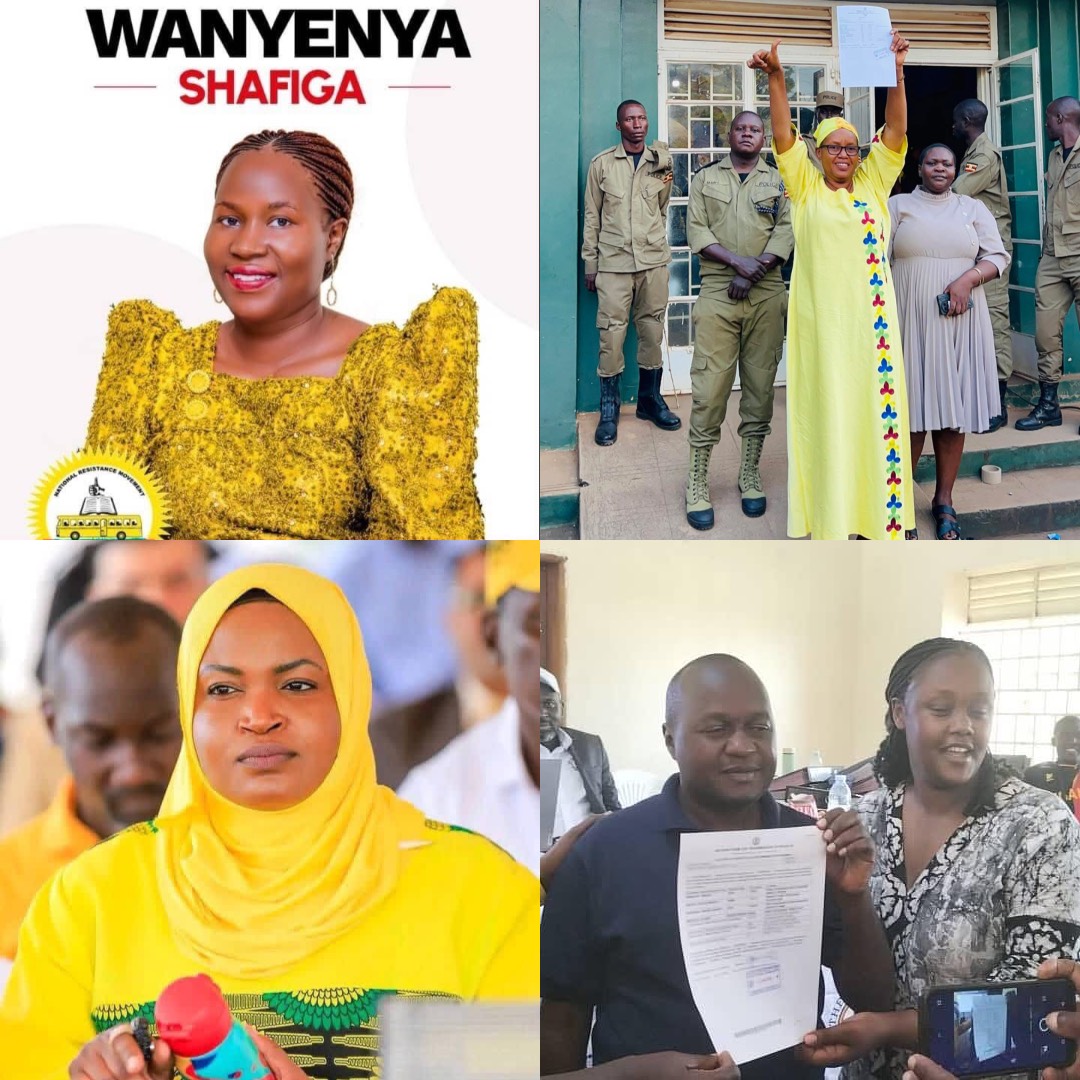
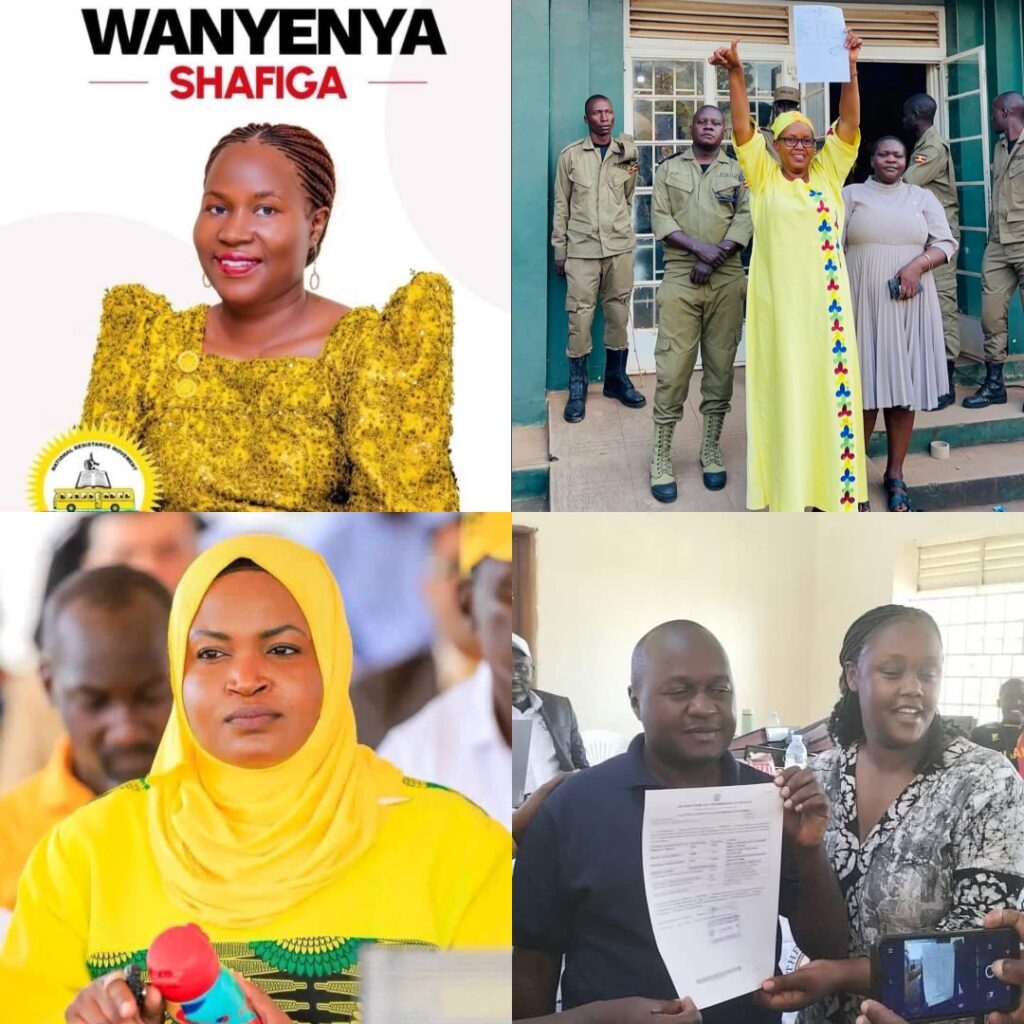
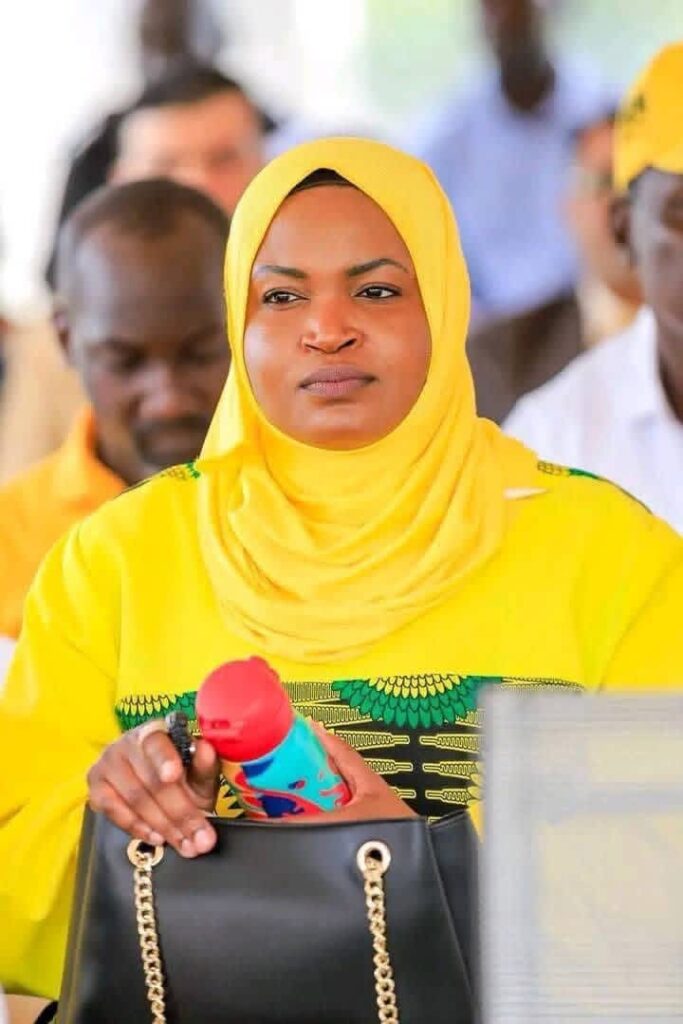
In a decisive electoral triumph, the National Resistance Movement (NRM) has consolidated its position in Uganda’s Bugisu sub-region, securing 17 of the 24 parliamentary seats in the ongoing 2026 general election.
This dominance, amounting to roughly 71% of the region’s representation, signals a significant shift towards the ruling party for the 2026–2031 term. Independents claimed six seats (25%), while the opposition National Unity Platform (NUP) managed just one seat (4%).
The outcome highlights the growing consolidation of NRM influence in eastern Uganda, a region long recognised for its coffee-rich economy and cultural vibrancy, but now increasingly aligned with President Yoweri Museveni’s vision for national development.
The Bugisu sub-region, which includes districts such as Bulambuli, Sironko, Mbale City, Mbale District, Manafwa, Bududa, and Namisindwa, recorded an average voter turnout of around 55%, according to preliminary data from the Electoral Commission.
This NRM surge comes amid a national landscape in which President Museveni was re-elected with 71.65% of the presidential vote, while opposition challengers such as Robert Kyagulanyi (Bobi Wine) of the NUP secured 24.72%.
Analysts attribute the regional outcome to effective grassroots mobilisation, tangible infrastructure gains under the NRM, and a fragmented opposition—further weakened by key figures diverting their focus to national ambitions.
This 71% NRM control represents a marked increase from previous cycles, when opposition parties such as the Forum for Democratic Change (FDC) held stronger sway in Bugisu. Political observers point to the NRM’s targeted campaigns emphasising local development as a key driver.
A critical factor in the opposition’s weakened grip was the presidential bid by Nathan Nandala Mafabi, a prominent FDC figure and long-standing MP for Budadiri West in Sironko District. Mafabi, an economist and former Leader of the Opposition, chose to run for president rather than defend his parliamentary seat, garnering only 1.88% (209,039 votes).
His campaign focused on economic revival, including the restoration of cooperative unions and the provision of start-up capital to graduates, but it diverted resources and attention away from local contests.
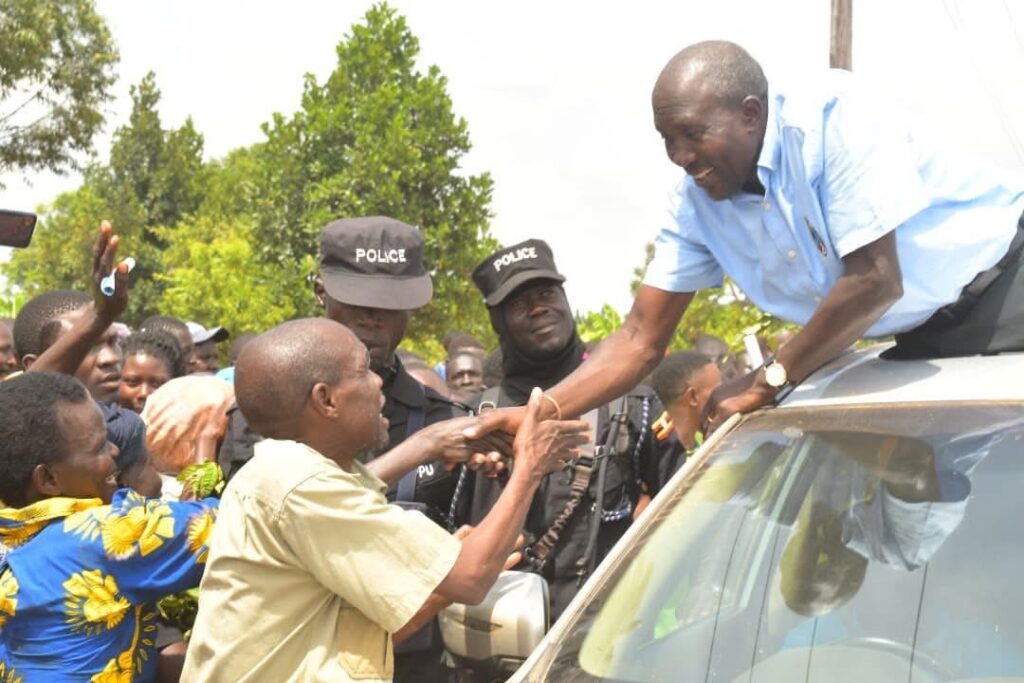
With Mafabi absent from the parliamentary contest, Budadiri West fell to independent Godfrey Wanyoto, further fragmenting opposition votes. “Nandala’s national ambitions created a vacuum in Bugisu, where he had been a unifying force for the opposition,” noted a local FDC official, speaking on condition of anonymity. Nationally, the NUP made gains in regions such as Busoga, flipping seven seats, but struggled in Bugisu, where it lost ground compared with 2021.
For Bugisu residents, these results signal continuity and potential prosperity. “We’ve seen roads improved and power stabilised under the NRM; now we expect more on jobs and markets for our coffee,” said Wamundu Rogers, a farmer in Mbale.
However, critics warn that the near-monopoly could stifle accountability, urging the few independents and the lone NUP MP to hold the government to its word. As Uganda transitions into the new term, Bugisu’s yellow wave exemplifies the NRM’s enduring appeal in rural heartlands, setting the stage for Museveni’s seventh term to deliver on its transformative agenda.