
 Time FM
Time FM
Time FM
22 January 2026, 10:12 am
By Shadrach Bethel Afayo
Once hailed as one of Uganda’s cleanest towns, Mbale City is now grappling with a worsening flooding crisis that residents, environmental experts and city planners increasingly attribute to years of poor waste disposal, weak enforcement of sanitation laws, and rapid urbanisation, compounded by the effects of climate change.
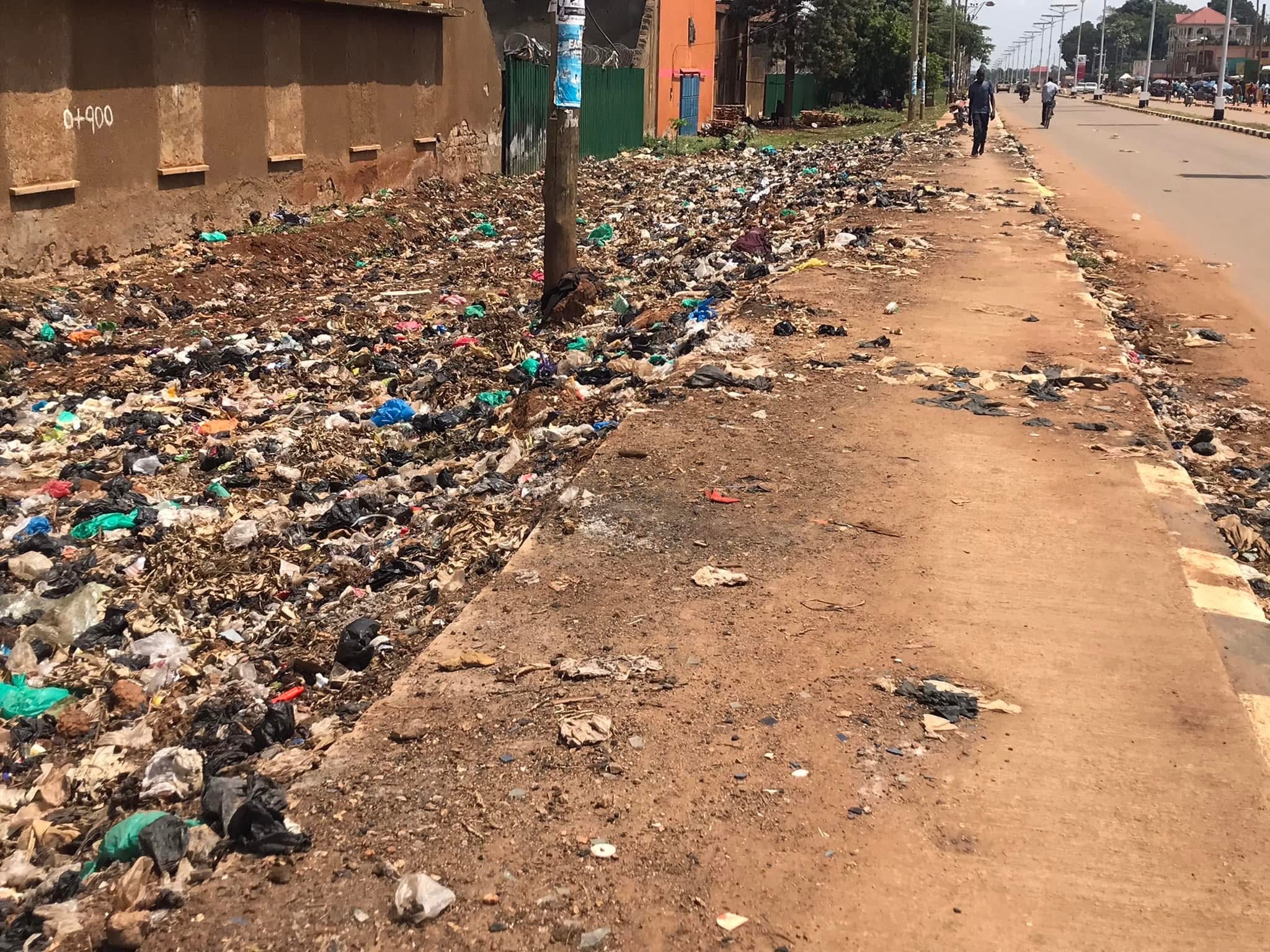
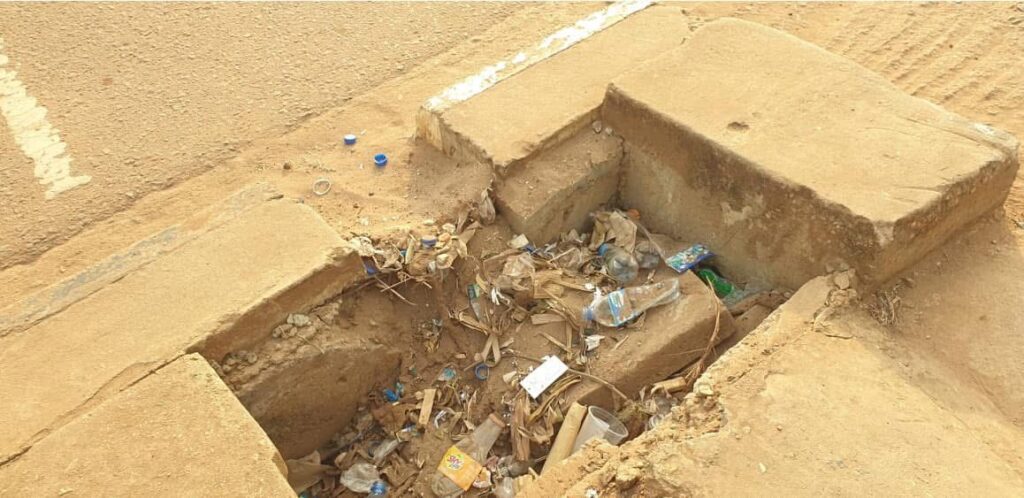
Across the city, garbage is a persistent problem. Heaps of plastic bottles, polythene bags, food waste and human refuse line streets, occupy open spaces and clog drainage channels. In many neighbourhoods, drainage trenches have effectively become dumping sites, leaving stormwater with nowhere to flow when the rains begin. As a result, even a few hours of heavy rainfall now trigger flooding in several parts of the city.
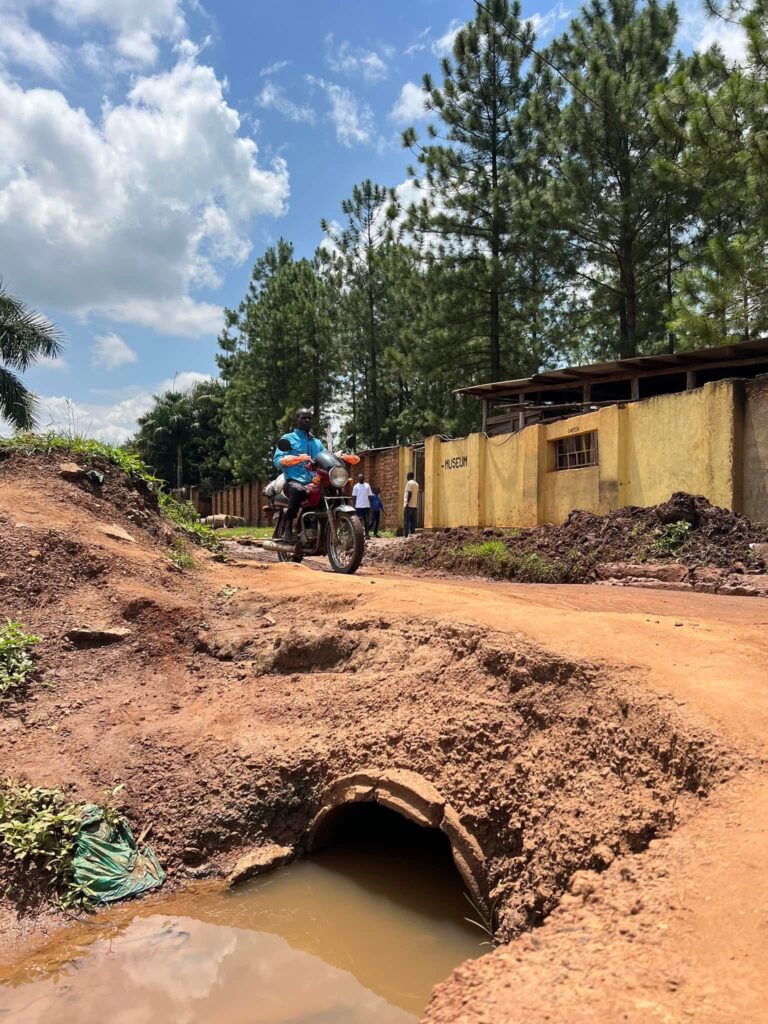
Residents say flooding has become both more frequent and more severe. Areas such as the Industrial Division, Northern Division, parts of Mbale Central Division, and low-lying settlements near River Namatala experience flooding almost every rainy season. Roads become impassable, homes are submerged, and business activity grinds to a halt.
“When it rains heavily, the water has nowhere to go,” said Mudimi Denis, a shop owner in Mbale City. “The drains are full of rubbish. Water flows into homes and shops within minutes, and people lose property every time.”
Urban planners note that Mbale’s drainage system was constructed decades ago to serve a much smaller population and was never designed to cope with the current volume of waste or changing climatic conditions. Over the years, uncollected garbage has reduced the capacity of stormwater channels, while informal settlements have encroached on wetlands and natural watercourses that once helped absorb excess rainfall.
Climate change has further exacerbated the situation. Eastern Uganda is now experiencing shorter but more intense rainfall events, a pattern that increases surface runoff and overwhelms urban drainage systems. Residents say the climate itself feels markedly different.
“This is not the weather we experienced before,” said Esther Nabalayo, a long-time resident of Mbale City. “It has not always been this hot, and we were not always worried about floods. Human activities and irresponsible living have destroyed the environment God gave us.”
According to city estimates, Mbale generates between 50 and 70 tonnes of solid waste each day. However, only a fraction of this waste is collected and transported to designated disposal sites. Plastics, which constitute a significant portion of the waste stream, are particularly problematic because they do not decompose and easily block drainage channels and culverts. Much of the uncollected waste ends up in open drains, along roadsides, and in wetlands and rivers such as Namatala and Nabuyonga.
The consequences of this situation extend far beyond inconvenience. In recent years, flooding in and around Mbale has destroyed homes, displaced families, damaged roads and bridges, and, in extreme cases, claimed lives. Floodwaters frequently mix with sewage and decomposing waste, spreading contamination across residential areas.
Health officials have repeatedly linked flooding in the city to outbreaks of cholera and other waterborne diseases. During floods, pit latrines overflow, clean water sources become polluted, and waste is swept directly into homes and compounds. Children, older persons and residents of informal settlements are particularly vulnerable.
Education and commerce have also been affected. Flooded roads disrupt transport networks, forcing children to miss school and traders to close their businesses. Market vendors report significant losses when floodwaters damage foodstuffs and merchandise, further straining household incomes in an already difficult economic environment.
Mbale City authorities acknowledge the scale of the problem, but enforcement of waste management regulations remains weak. Across the city, warning signs reading “Do Not Dump Rubbish Here”, accompanied by threats of fines of up to Shs 500,000, are common, yet illegal dumping continues largely unchecked. Limited funding, inadequate equipment and poor coordination among waste management actors have left collection services overstretched.
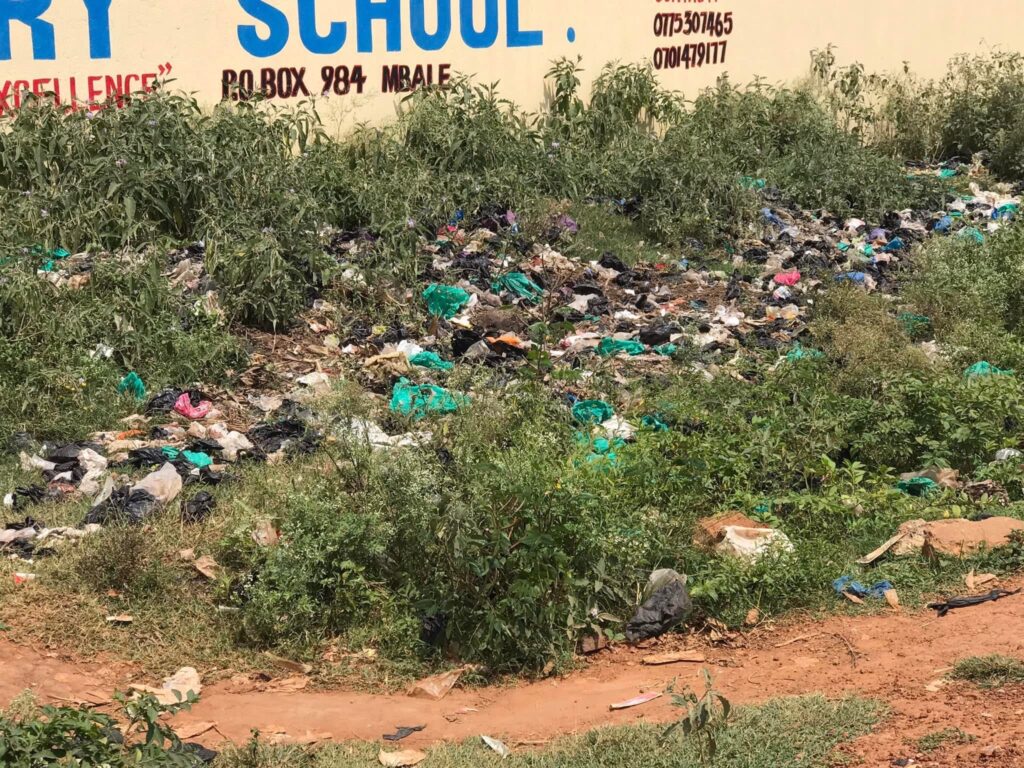
Some waste management facilities, including composting and recycling projects established in previous years, remain underutilised due to technical failures, poor maintenance, and administrative challenges. As a result, the city continues to rely heavily on open dumping and irregular collection—practices that exacerbate environmental degradation and increase the risk of flooding.
Beyond infrastructure and governance gaps, residents acknowledge that behaviour plays a major role. Many people dispose of garbage into drains late at night or during rainfall, believing it will be washed away. Instead, the waste accumulates downstream, creating blockages that later flood entire neighbourhoods.
Urban development experts warn that unless Mbale treats waste management as a central climate adaptation issue rather than a routine sanitation concern, flooding will continue to intensify. With the city’s population growing and climate change increasing rainfall intensity, the cost of inaction is likely to rise—measured not only in damaged infrastructure, but also in lost livelihoods, declining public health, and avoidable loss of life.
“We can do better. The City Council and leaders in Mbale City need to come together and address these issues with honesty and accountability. We are very open to working with them to ensure that Mbale regains its lost glory,” said Mr Mutenyo Faisal, a physical planner.