
 Time FM
Time FM
Time FM
28 January 2026, 4:07 pm
By Shadrach Bethel Afayo
Mbale City’s struggle with plastic waste is visible in its streets, markets, and drainage channels, particularly during the rainy season, when blocked waterways regularly trigger flooding.
Amid this growing crisis, a quiet and largely informal solution is taking shape—driven not by policy or funding, but by street-connected children, informal traders, and unemployed youth who are transforming discarded plastic into both income and environmental relief.
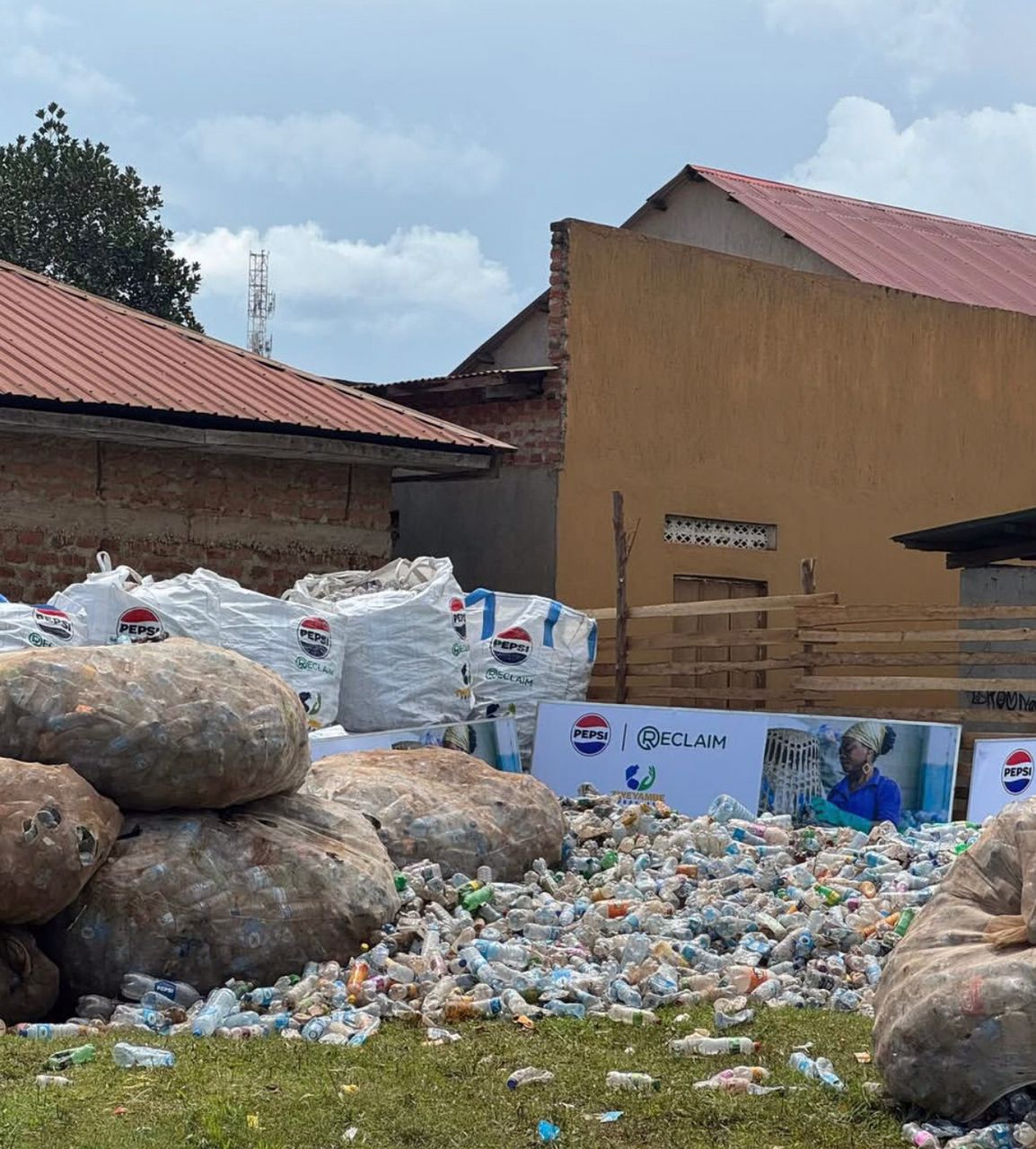
Each morning, small groups fan out across busy roads, open markets, and clogged drainage lines, collecting plastic bottles, polythene bags, and packaging materials that would otherwise accumulate in waterways. For many of these young people, plastic collection began as a survival tactic. Over time, it has evolved into an organised activity with tangible economic and environmental benefits for the city.
Uganda generates an estimated 600,000 tonnes of plastic waste annually, according to figures frequently cited by environmental regulators and development agencies, with only a small fraction formally recycled.
In rapidly growing urban centres such as Mbale, daily solid waste generation is estimated at over 100 tonnes, much of it unmanaged. Plastic waste, which does not decompose, makes up a significant share of this volume and is a leading contributor to blocked drainage systems and urban flooding.
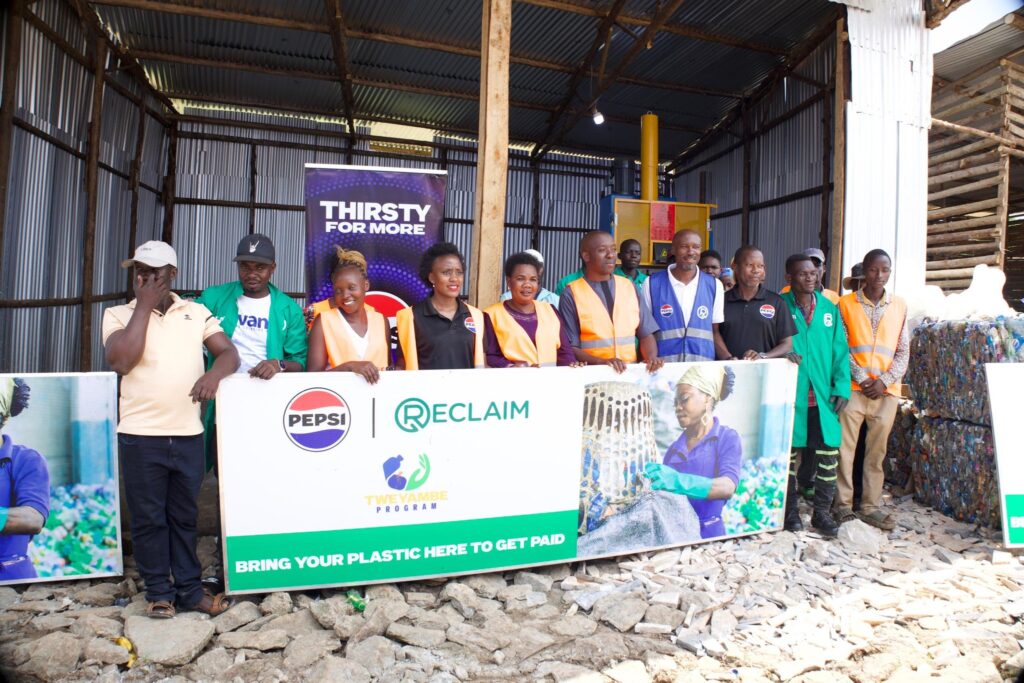
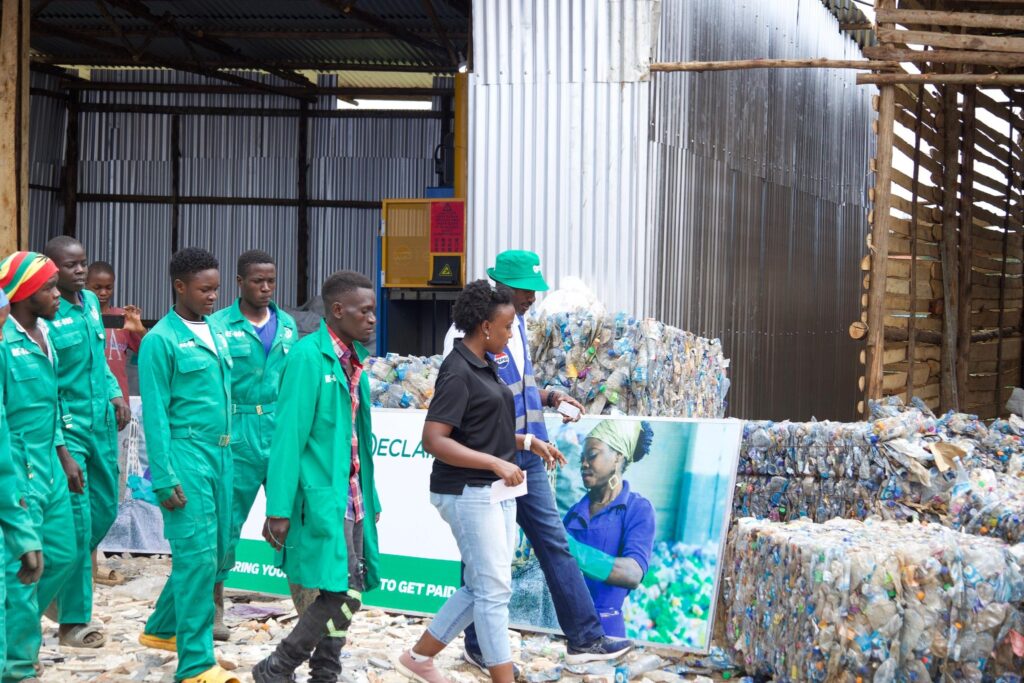
For the youth on Mbale’s streets, plastic has become a livelihood. Collected materials are sorted by type—bottles, hard plastics, and polythene—then sold to local aggregators or recycling centres. Some groups wash and compress the plastics to increase their resale value. Earnings are modest, but consistent enough to provide food, rent, and basic necessities.
Mubajje Suleiman, a former street-connected child who now relies on waste collection for income, says the work has given him purpose and stability. “Instead of stealing or begging, I earn money by cleaning the city,” he says. “I know it’s not a big job, but it keeps me busy and out of trouble.”
Traders operating near markets have also joined the effort, recognising that cleaner surroundings attract customers and reduce losses caused by flooding. Luyimbazi Rickson, a trader who buys plastics from children and youth collectors, says the work has grown beyond simple trade.
“We buy plastics from the street children and recycle them. Some big companies come and buy them from us and use them for other purposes,” he explains. “But this is not just business. It’s about protecting the environment.”
Rickson notes that plastic waste poses risks beyond flooding. “These bottles spoil the soil and can cause diseases when they collect water. By removing them, we are helping the community and earning at the same time.”
Environmental experts agree that plastic waste is one of the main causes of drainage blockage in Mbale. During heavy rains, even short stretches of clogged channels can cause water to back up into roads, shops, and homes. In neighbourhoods where informal plastic collection is consistent, residents report faster drainage and reduced flooding after storms—evidence that these grassroots efforts are filling a gap left by overstretched municipal services.
Beyond environmental benefits, the initiative is transforming the lives of vulnerable youth. Participants gain basic skills in sorting, teamwork, and small-scale enterprise. Some groups have begun saving collectively to purchase gloves, sacks, and carts, improving both efficiency and safety. For young people who often face exclusion and stigma, the work offers structure, dignity, and a sense of belonging.
Local leaders see potential in these efforts. Madoi Rogers, a local council leader in Mbale’s Industrial Division, describes the initiative as practical climate action. “They are protecting the environment and earning a living at the same time,” he says. “This is climate action at the grassroots, led by people who are usually ignored.”
Despite their impact, challenges remain. Access to protective gear is limited, exposing collectors to health risks. Income fluctuates depending on market demand, and limited recycling infrastructure means many collectors rely on middlemen who often offer low prices. Without formal recognition, the groups operate without institutional support or security.
Urban development and environmental experts argue that integrating informal waste collectors into Mbale’s official waste management system could significantly strengthen flood prevention while creating jobs. Providing training, equipment, and stable market access would not only improve livelihoods but also reduce the volume of plastic entering drainage channels and waterways.
As Mbale grapples with rapid urbanisation, climate change, and mounting waste, these youth-led initiatives offer a glimpse of what locally rooted solutions can achieve. By turning plastic from a liability into an opportunity, the city’s most vulnerable young people are helping Mbale adapt—one bottle at a time.