
 Time FM
Time FM
Time FM
2 February 2026, 4:24 pm
By Shadrach Bethel Afayo
Uganda’s 2026 general elections unfolded over an extended period, beginning with presidential and parliamentary voting on 15 January, followed by local government council elections, special interest group polls, and supplementary or postponed ballots stretching into late January and early February.
Local council leader selections took place on staggered dates, including 19–22 January for certain special interest groups, 27 January for some municipal positions, and even 4 February in areas affected by logistical delays or postponements.
By early February 2026, the vast majority of the electoral cycle had concluded, with most disputes resolved through recounts, court oversight, and final declarations, though a few isolated local cases remained pending.
The Electoral Commission declared incumbent President Yoweri Kaguta Museveni of the National Resistance Movement (NRM) the winner on 17 January, granting him a seventh term and extending his rule—spanning more than four decades—for another five years.
Museveni secured 71.65 per cent of the valid votes, totalling 7,946,772 ballots. His leading opponent, Robert Kyagulanyi Ssentamu (Bobi Wine) of the National Unity Platform (NUP), obtained 24.72 per cent, or 2,741,238 votes.
Candidates from other parties, including the Forum for Democratic Change and the Alliance for National Transformation, each received less than 2 per cent, while spoilt votes amounted to 275,353 (approximately 2.24 per cent of ballots cast).
Museveni surpassed the constitutional threshold of more than 50 per cent plus one vote, claiming victory outright in the first round. From a national voters’ register of 21,649,067, 11,366,201 votes were cast in the presidential race, yielding an official turnout of 52.5 per cent according to the Electoral Commission.
This represents the lowest participation rate in Uganda’s presidential elections since the restoration of multiparty politics in 1996, continuing a downward trend from previous cycles: over 70 per cent in 1996 and 2001, around 69 per cent in 2006, 59 per cent in 2011, 67.6 per cent in 2016, and 59 per cent in 2021.
The decline reflects deep-seated disengagement rather than mere indifference, driven by fear, frustration, procedural flaws, and widespread loss of faith in electoral integrity. Regional variations highlighted uneven participation. Urban and opposition-leaning areas, particularly Kampala and parts of Buganda, recorded turnout as low as 28 per cent in some constituencies, with broader Buganda dipping below 50 per cent and pockets in Acholi and Busoga in the mid-40s per cent.
In contrast, NRM strongholds such as Ankole neared 75 per cent and Karamoja around 70 per cent. This pattern carried over into subsequent local council elections, where turnout in urban Kampala markets and polling stations frequently fell below 13 per cent, often leaving venues deserted and officials idle. Controversies throughout the process likely intensified abstention.
On 15 January, widespread failures of biometric voter verification kits significantly delayed voting, necessitating manual verification in many locations. The Electoral Commission maintained that these were lawful safeguards to preserve vote integrity, yet opposition parties and civil society argued that the issues disproportionately affected opposition strongholds, fuelling suspicions.
A nationwide internet shutdown, initiated days before polling and extended through initial counting, was justified by authorities as a measure against misinformation and unrest but drew condemnation from critics, human rights groups, and observers for obstructing transparency, independent monitoring, and citizens’ access to real-time information.
Reports of intimidation, arrests, abductions, and isolated violence further discouraged turnout. Opposition accounts described systematic targeting of NUP supporters, candidates, and polling agents before and after voting. Bobi Wine dismissed the presidential results as fraudulent, alleging widespread irregularities including ballot stuffing and restrictions on his movements, and called for peaceful demonstrations—some of which escalated.
International observer missions, including those from the African Union led by former Nigerian President Goodluck Jonathan, described polling day as relatively calmer than in 2021 but expressed serious concerns over the pre-election atmosphere, internet blackout, and intimidation tactics that undermined public trust. They noted, however, that there was no direct evidence of large-scale ballot stuffing.
President Museveni, addressing the nation during Liberation Day celebrations at Kololo Ceremonial Grounds while the electoral process continued, defended his victory and the subdued turnout. He attributed low participation to voter intimidation, internal NRM indiscipline, and corruption in government programmes, remarking: “They are lucky because all my supporters did not turn up. Only eight million turned up. If all did, there would be no opposition in Uganda.”
Ordinary voters cited personal fears behind their decisions to abstain. Denis Mukone, a resident of Masaba Ward in Mbale City, said: “We anticipated violence because the machines failed in many places. That created a lot of tension, and many of us felt the process could be compromised or turn violent, so we stayed home.”
Magombe Faisal, a businessman in Mbale, added: “We saw many reports, especially involving people connected to NUP. That made people think twice about voting because anyone could become a target.”
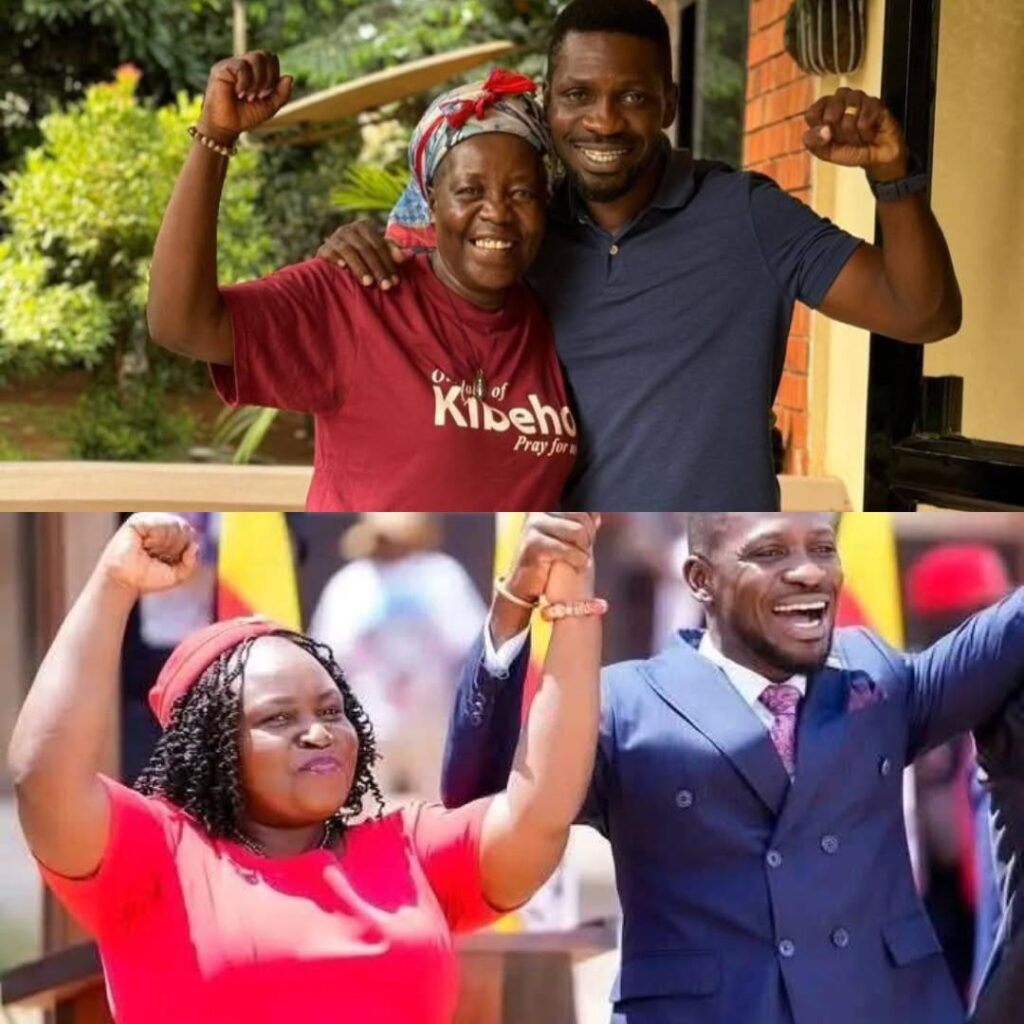
As the electoral process nears completion, a significant recent development occurred in the Masaka City Woman MP race. Following a court-ordered recount supervised by Chief Magistrate Albert Asiimwe over several days, NRM’s Justine Nameere was today declared the winner with 25,502 votes, overturning the initial Electoral Commission declaration that had favoured NUP’s Rose Nalubowa, who received 23,176 votes in the recount.
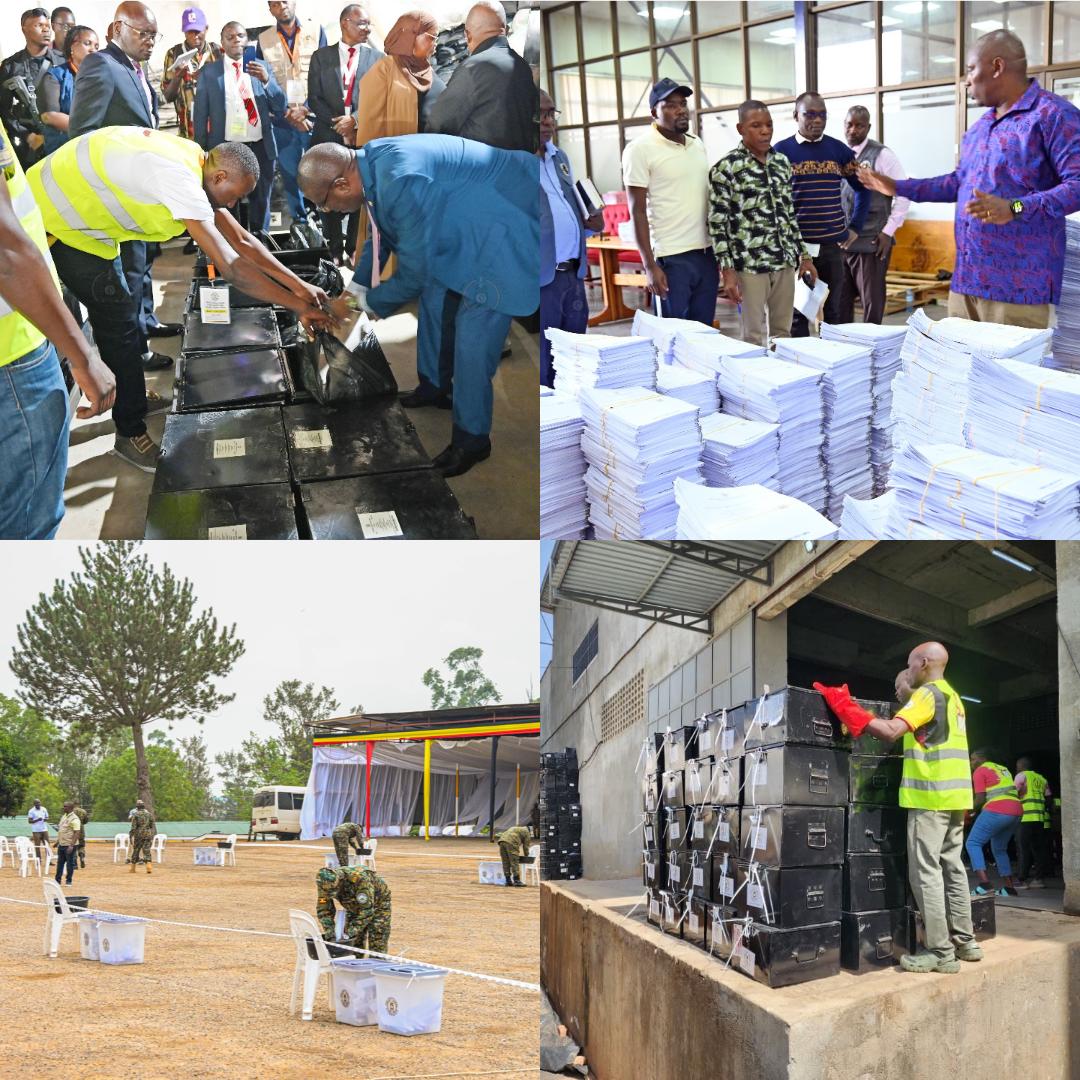
The exercise scrutinised ballot boxes for discrepancies and set some aside due to suspicions of tampering, highlighting ongoing verification tensions. As the extended electoral marathon concludes, the defining narrative remains historic voter disengagement. The 52.5 per cent turnout reflects a profound crisis of confidence, exacerbated by technical, political, and security challenges.
Restoring faith in the electoral process as a secure, credible, and meaningful avenue for civic participation stands as Uganda’s most pressing democratic imperative—one that will profoundly shape the nation’s political future beyond the final declarations.