
 Time FM
Time FM
Time FM
17 February 2026, 4:47 pm
By Shadrach Bethel Afayo
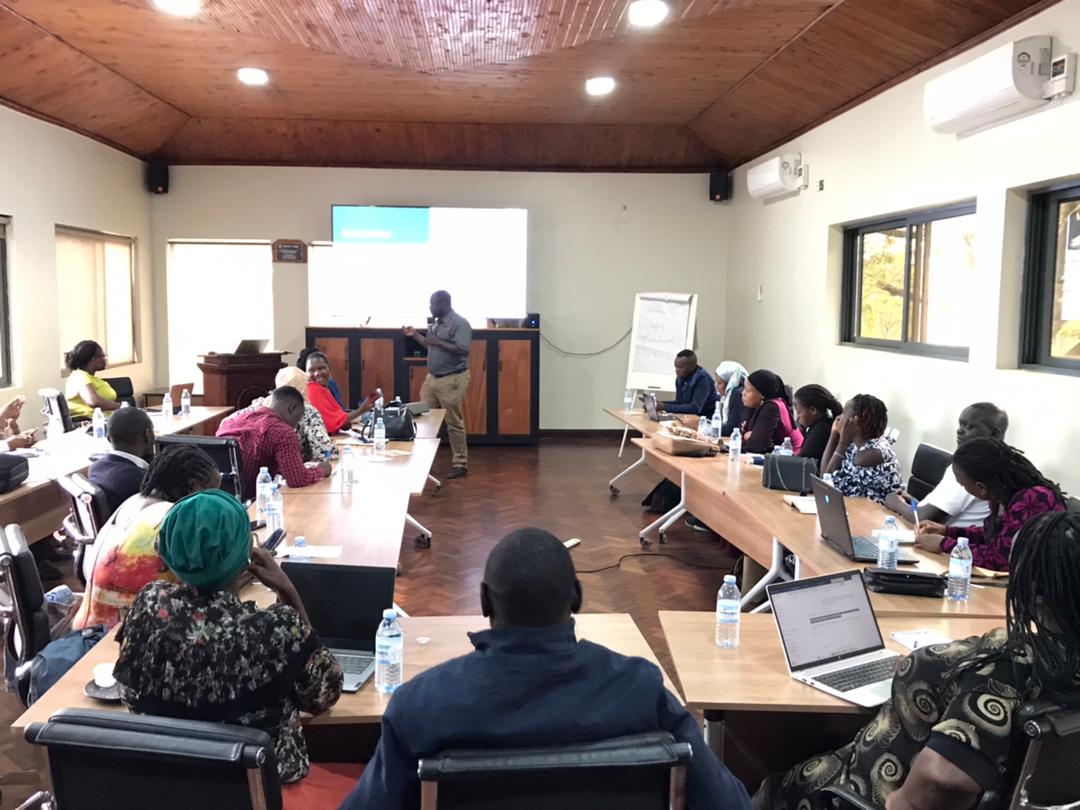
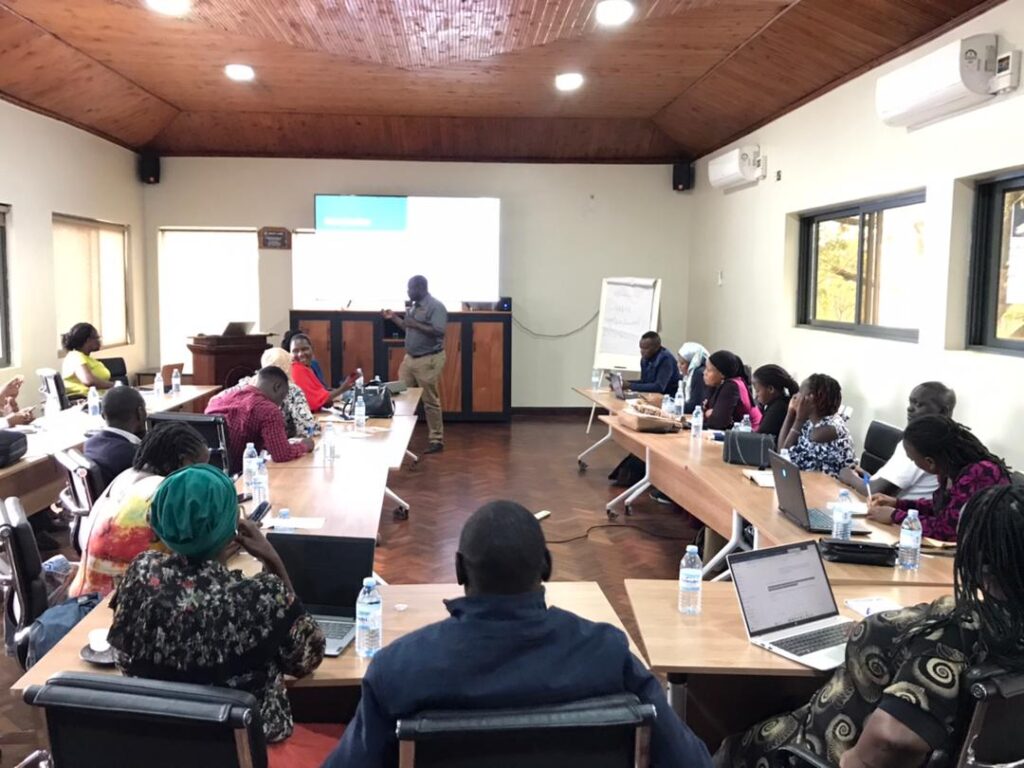
In a strategic collaboration aimed at strengthening media coverage of sexual and reproductive health rights (SRHR), Palladium, the Health Journalists Network Uganda (HEJNU), and BBC Media Action have launched a four-day intensive training programme.
The event is being held at the prestigious Fairway Boutique Hotel in Kampala’s Nakasero area, renowned for its lush tropical gardens, proximity to the Uganda Golf Course, and excellent access to the city’s business and cultural hubs.
Over 30 journalists representing print, radio, and digital platforms are participating in this capacity-building initiative, which focuses on equipping them with advanced skills in investigative reporting on SRHR issues. The training builds on HEJNU’s decade-long tradition of fostering professional growth in health journalism.
Veteran health journalist Esther Nakkazi, founder of HEJNU, opened the programme by emphasising the value of such structured seminars. “For the last ten years, HEJNU has been convening breakfast cafes where we invite medical personnel and experts to break down information in a way that is easily understandable for journalists,” Nakkazi said.
She highlighted the shift in this training towards investigative techniques specific to SRHR. “This training will focus on investigative reporting on SRHR issues, and by the end of it, we expect journalists to pitch story ideas, some of which will be supported,” she added, noting the emphasis on actionable, fundable outcomes.
Dr Betty Nakkazi Kyaddondo, Country Director for the Women’s Integrated Sexual Health (WISH) policy and systems programme at Palladium, outlined the initiative’s wider impact. The WISH programme operates in over seven African countries and is scheduled to run from 2026 to 2029, with potential extensions contingent on demonstrated results.
“We encourage you to learn through the training but also ensure that the pitches you present are strong enough to highlight these issues in society,” Dr Kyaddondo urged participants. “At the end of it all, the strongest pitches will be selected for support.” Her comments reinforced the need for pitches that demonstrate a solid understanding of investigative SRHR topics, societal barriers, and policy dynamics.
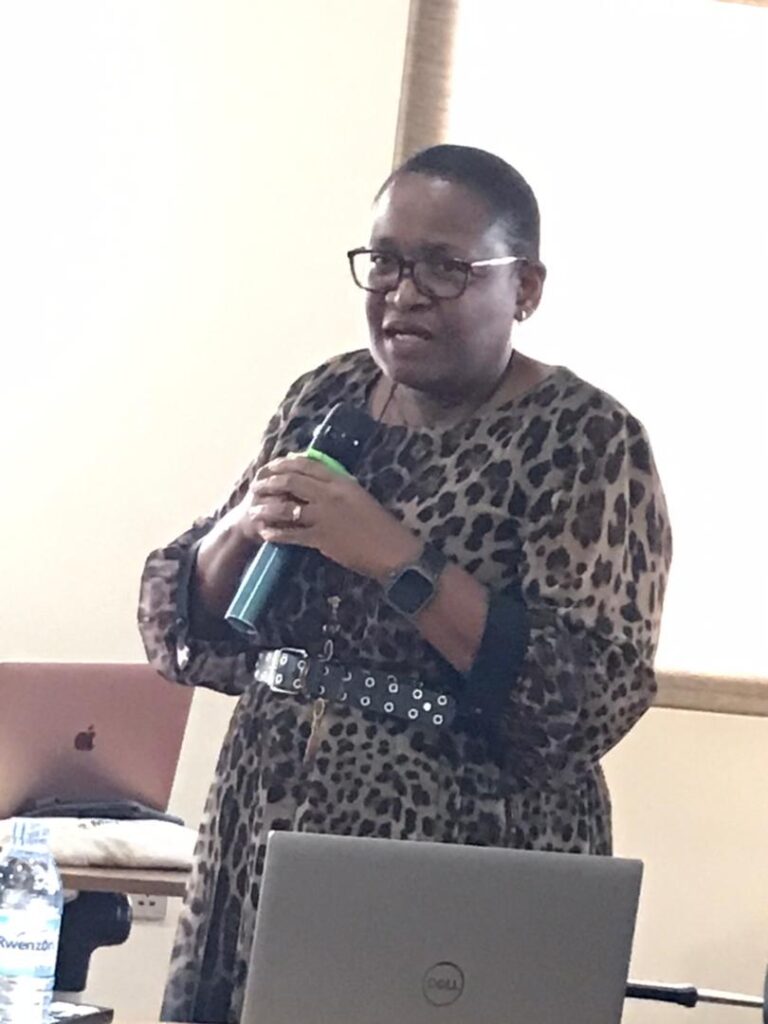
Emmanuel Kayongo, Project Manager for BBC Media Action in Uganda, outlined the collaborative vision behind the programme. He emphasised empowering journalists to uncover and highlight underlying SRHR challenges through partnerships. Key goals include raising SRHR awareness in mainstream media, promoting accountability, demystifying policies and financing mechanisms, and amplifying the voices of youth and marginalised groups.
Kayongo particularly highlighted the inclusive approach: “We saw it as important to have a training that includes not only experienced journalists but also young, emerging reporters.” To achieve this, BBC Media Action partnered with the Media Challenge Initiative (MCI), which mentors and tracks emerging talent. “We chose to work with MCI because they are invested in the talent they train and continue to monitor their growth and progress,” he explained.
The opening day featured a session led by Benon Herbert Oluka, Africa Editor for the Global Investigative Journalism Network (GIJN). Oluka introduced key tools for crafting compelling investigative stories while advising caution on the use of technology. He described over-reliance on AI tools for story generation as unprofessional, encouraging journalists instead to develop organic, original ideas for SRHR story pitches.
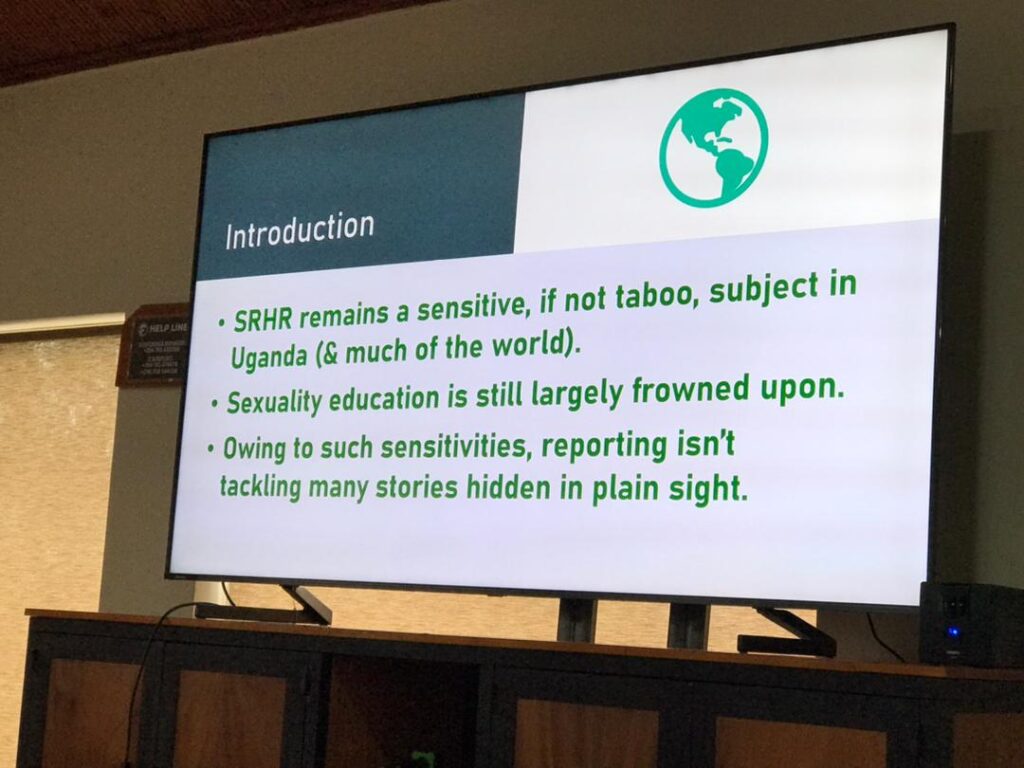
Oluka explored the critical interplay between policies, frameworks, and societal patterns, urging participants to “dig deeper into policies and frameworks to tell stories that are detailed when it comes to sexual and reproductive health reporting.”
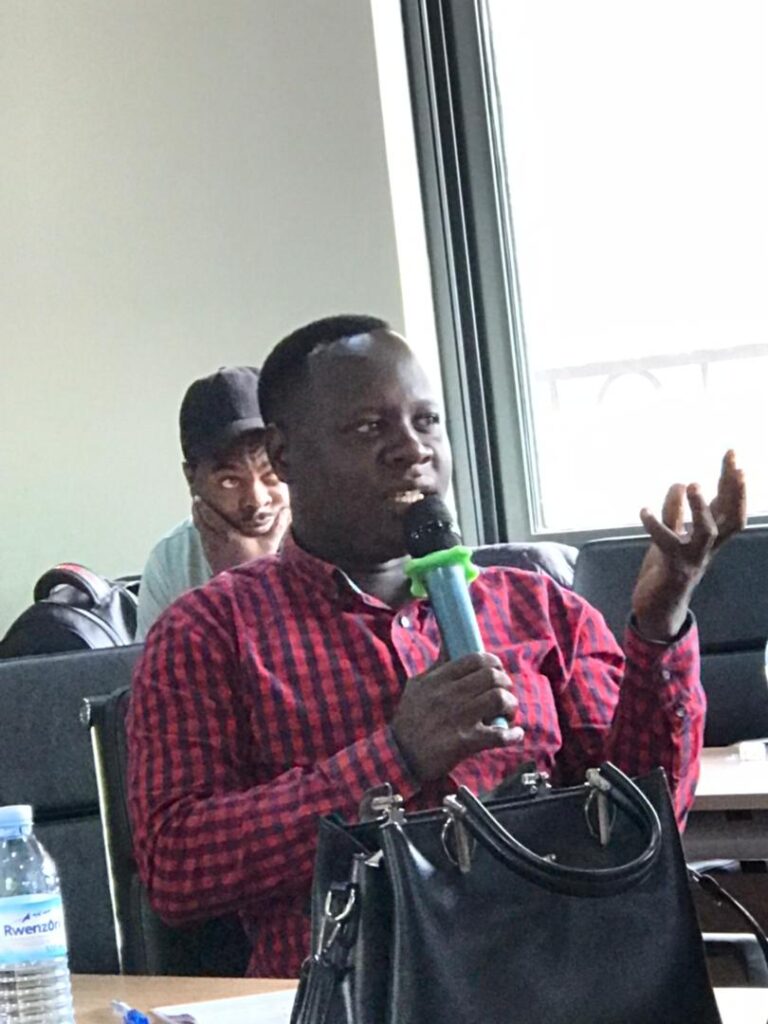
Journalists attending the training expressed strong optimism and eagerness to deepen their expertise. Many are particularly keen to investigate complex SRHR topics, including access to abortion, defilement cases, and the ways cultural or traditional beliefs intersect with reproductive health rights and services.
As the four-day programme progresses, organisers anticipate a surge in high-quality investigative storytelling. By nurturing story pitches, fostering cross-generational collaboration, and providing targeted support, this initiative positions Uganda’s media to play a more influential role in advancing SRHR awareness, accountability, and equity across the country.