
 Time FM
Time FM
Time FM
23 February 2026, 3:49 pm
By Shadrach Bethel Afayo
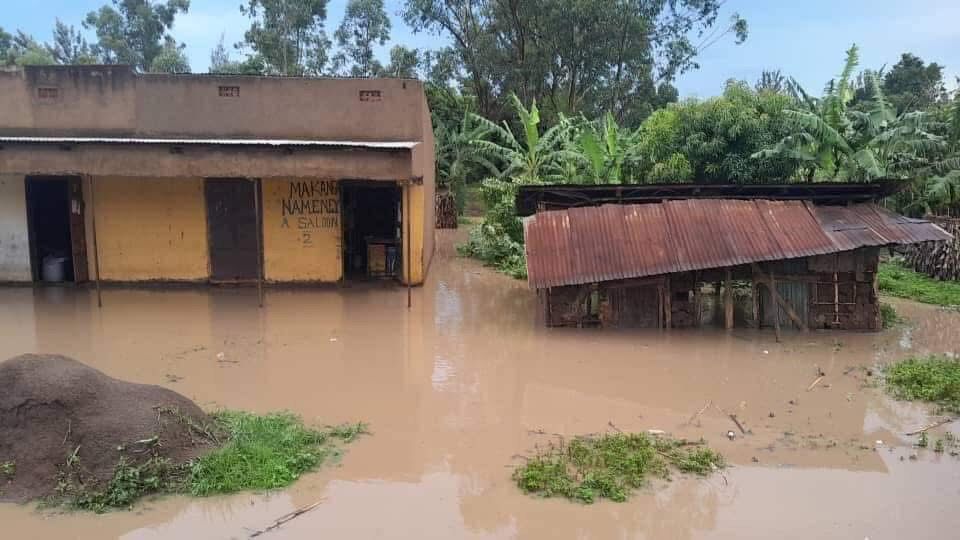
After three consecutive days of relentless downpours, mild flooding has begun to affect low-lying areas along the banks of rivers such as Namatala and Nabuyonga in Mbale City and the surrounding districts in Eastern Uganda’s Bugisu sub-region.
Local authorities are raising the alarm, urging residents to remain vigilant and to evacuate flood-prone areas, as the region braces for what could escalate into another destructive season. With memories of past disasters still fresh, community leaders and residents are pointing to persistent risks, including unregulated settlements along riverbanks and poor waste management practices that worsen flooding.
The rains, which intensified on 20 February, have already caused water levels in key rivers to rise, leading to minor flooding in neighbourhoods such as Busamaga West and Nasenyi. Although no major damage or casualties have been reported, the situation underscores the vulnerability of the mountainous area around Mount Elgon, where shifting climate patterns — characterised by heavier and more unpredictable rainfall — have turned seasonal rains into potentially life-threatening events.
According to the Uganda Meteorological Authority, the Bugisu sub-region has recorded a 15–20 per cent increase in average annual rainfall over the past decade, attributed to global climate change and local environmental degradation, including deforestation and wetland encroachment. To understand the current concerns, it is important to reflect on the region’s recent history of flooding, which has repeatedly devastated communities.
The situation intensified in July 2022, when torrential rains caused the rivers Nabuyonga, Namatala, Nashibiso and Napwoli to burst their banks. That disaster claimed at least 24 lives, displaced more than 5,600 people and affected over 20,000 others across Mbale, Kapchorwa, Sironko and Bulambuli districts.
More than 4,000 households were affected, with 80 homes destroyed, nine schools damaged and 14 bridges washed away. The economic toll was severe: crops covering thousands of hectares were destroyed and hundreds of livestock were lost, costing the region millions in recovery efforts. Just two months later, in September 2022, heavy rains triggered landslides in eastern and western Uganda, killing at least 16 people and affecting more than 300,000 residents.
The pattern persisted into 2023, with April floods in Mbale and in areas such as Kasese and Rukungiri claiming additional lives and displacing hundreds. By May 2024, flooding across 14 districts, including those in Bugisu, had affected 39,185 people — about 8,011 households — underscoring the increasing frequency of such disasters. The most recent major incident occurred in November 2024 — exactly two years before the current rains — when prolonged downpours triggered catastrophic landslides in Bulambuli District near Mbale. At least 28 people died as villages were buried under mud and debris, roads were destroyed and thousands were evacuated from the slopes of Mount Elgon.
That year alone, climate-related disasters such as floods and landslides displaced more than 78,000 Ugandans and affected over 413,000 others, with children accounting for 35 per cent of those impacted, according to UNICEF reports. In Mbale specifically, floods submerged entire neighbourhoods, affecting more than 100,000 people and leaving 1,800 in temporary camps such as Bunambutye.
These statistics paint a grim picture of a region highly prone to flooding due to its topography — steep slopes that accelerate surface run-off — as well as human activities that intensify the risks. Deforestation on Mount Elgon for farming and charcoal production has reduced vegetation cover by more than 40 per cent since the 1990s, leading to increased soil erosion and uncontrolled water flow. Encroachment on wetlands, including the reclamation of the Namatala swamp for industrial parks, has removed natural buffers that once absorbed excess water.
Amid the current rains, authorities are emphasising prevention to avoid a repeat of past tragedies. Nelima Judith, an area councillor in Busamaga West Borough — one of the areas hardest hit by previous floods — issued a strong warning.
“We urge our people to take precautions,” she said. “In the past, the rains have caused immense destruction, and we still live with that trauma. We lost lives and property due to flooding two years ago, and we do not want a repeat.”
Judith’s office, in coordination with Mbale City Council and the National Environment Management Authority (NEMA), has advised residents to vacate flood-prone areas, avoid crossing swollen rivers or bridges, and closely monitor weather updates.
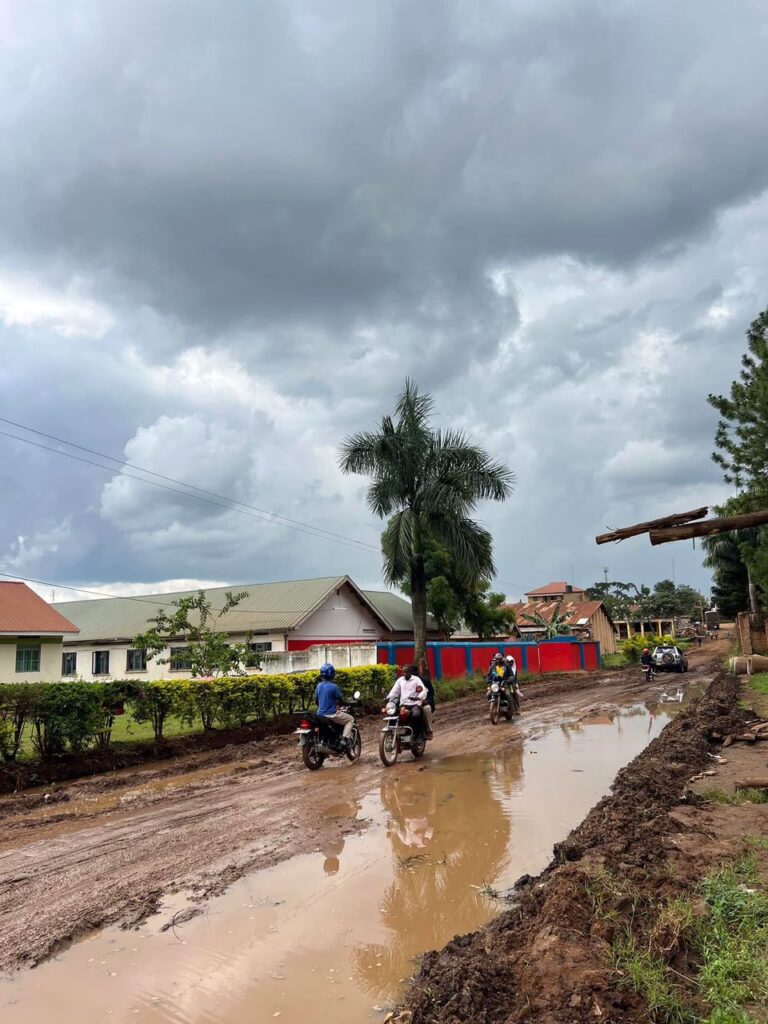
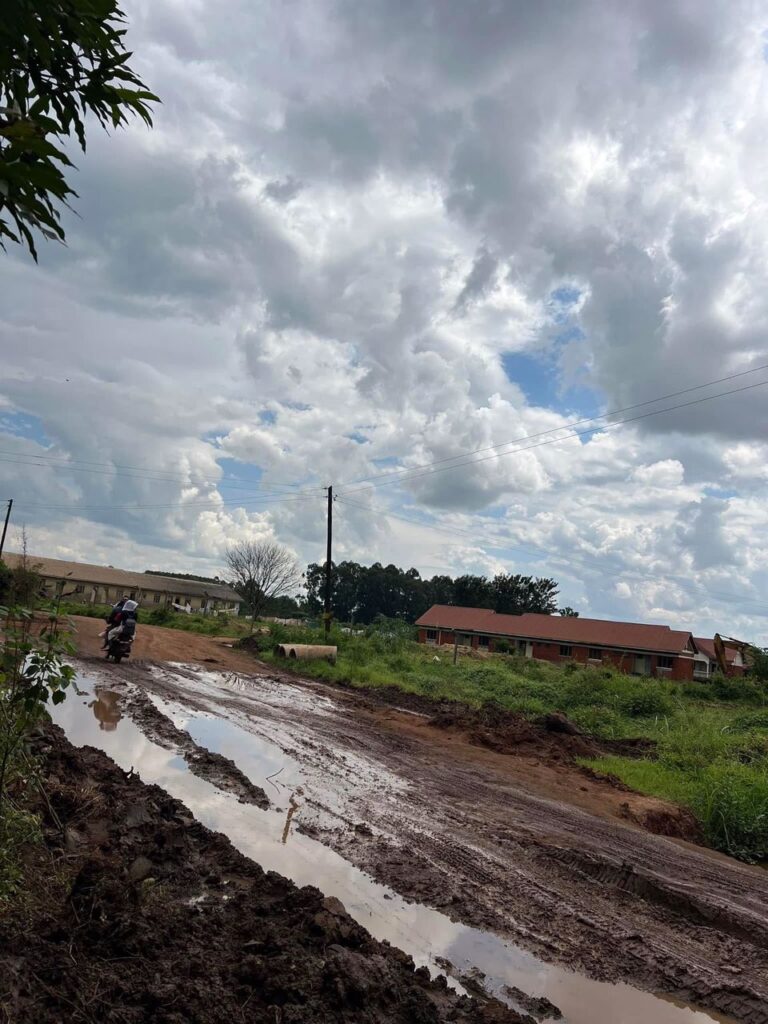
Local residents, however, point to systemic challenges which they believe are fuelling the crisis. Poor waste management and disposal practices remain a major concern, as uncollected refuse blocks drainage channels, turning minor rainfall into flooding and creating breeding grounds for diseases such as cholera and malaria.
Loy Nabuduwa, a vendor at Mbale Central Market, expressed the frustration shared by many traders.
“The city council sometimes takes weeks or even a month to collect rubbish from our workspaces,” she said. “In the end, we are forced to dump it anywhere, and this blocks water channels and causes flooding. Disease rates also increase. We call upon our leaders to ensure garbage is collected on time because we pay taxes which should facilitate this service.”
Nabuduwa’s concerns are echoed across the sub-region, where hygiene and sanitation challenges compound flood risks. In flood-prone villages such as Nasenyi, indiscriminate dumping has led to blocked culverts, increasing water stagnation and related health hazards. A 2023 study by Makerere University linked poor waste management practices in Mbale to a rise in disease outbreaks during rainy seasons, with cholera cases increasing by 30 per cent in affected areas.
At the centre of the growing concern is continued settlement in high-risk zones, including riverbanks and steep hillsides. Despite government directives under the National Wetlands Policy requiring relocation from such areas, poverty and land scarcity have left thousands exposed to danger. In Mbale alone, more than 10,000 households are estimated to reside in flood-prone areas, according to a 2025 district report.
“People are aware of the risks, but where else can they go?” asked Mafabi Elias, a local elder in Sironko District. “We need meaningful support for resettlement, not just warnings.”
As the rains persist, community groups and non-governmental organisations such as the Uganda Red Cross are distributing emergency supplies and conducting awareness campaigns. Mbale City Council has pledged to strengthen waste collection and enforce anti-encroachment regulations, although residents remain sceptical in the absence of immediate action.
With the rainy season expected to peak between March and May, the coming weeks will test the region’s resilience. For now, the message remains clear: vigilance could mean the difference between survival and yet another tragic chapter in Bugisu’s history of flooding.