
 Time FM
Time FM
Time FM
25 February 2026, 5:47 pm
By Shadrach Bethel Afayo
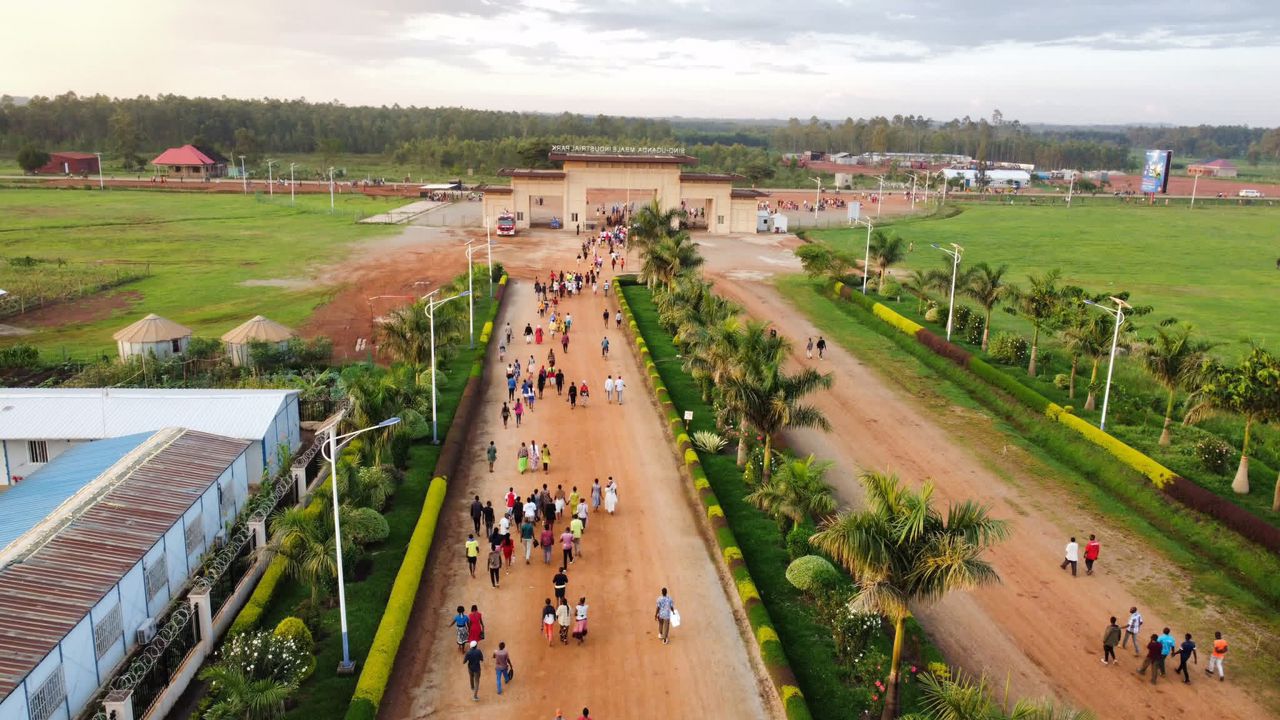
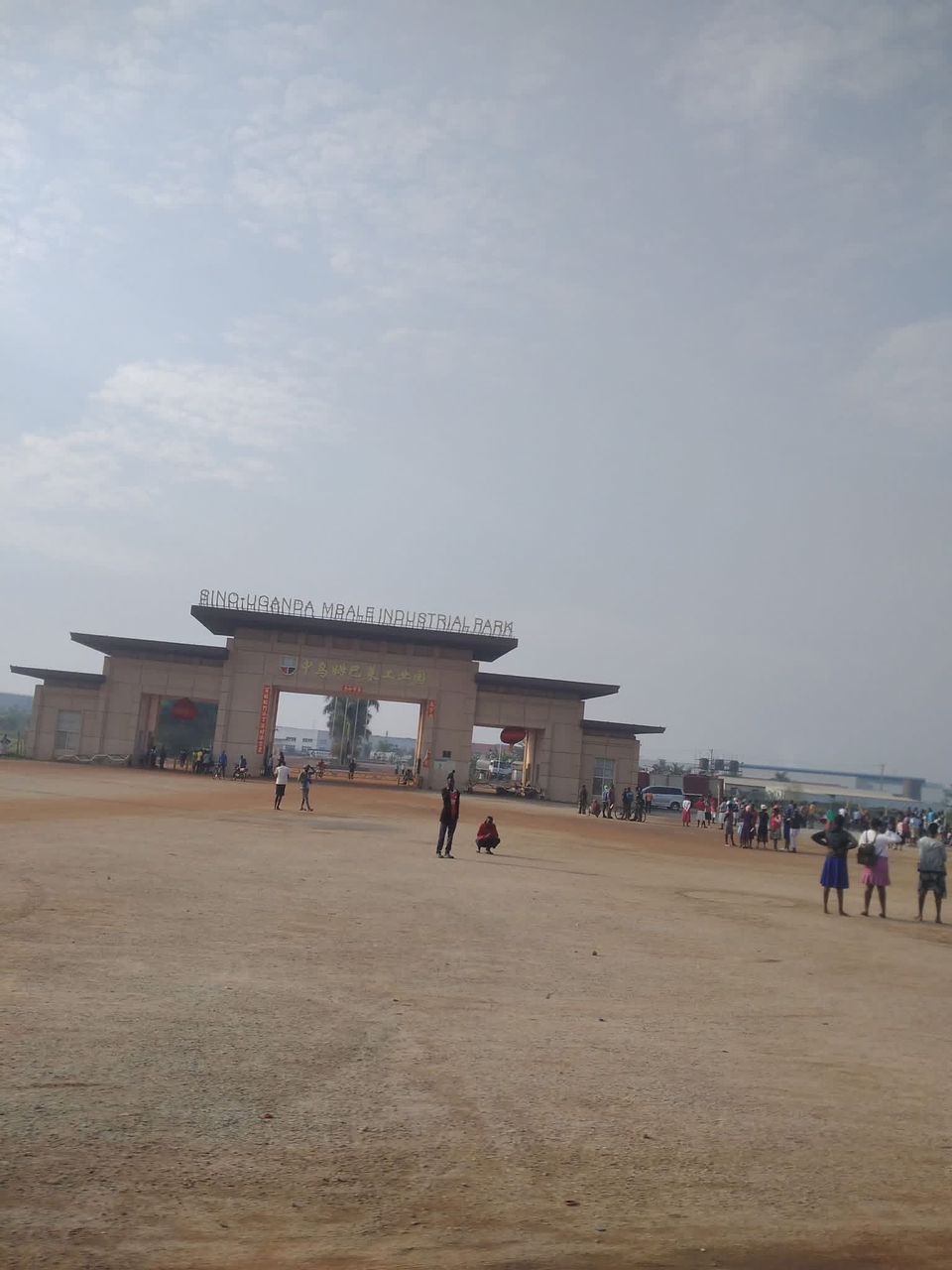
Residents of Nasenyi village near Mbale City are raising alarms over worsening environmental and health challenges linked to the expansion of the Sino-Uganda Mbale Industrial Park, built on the reclaimed Namatala wetland.
While the park—now boasting over 75 operational factories and employing more than 11,000 Ugandans—continues to drive economic growth through Chinese-backed investments, locals report persistent issues including air and water pollution, declining crop yields, and heightened vulnerability to climate extremes, despite recent investments in mitigation measures.
The industrial park, spanning 620 acres, was established in 2018 as a flagship project of Uganda-China cooperation, aiming to transform the region into a manufacturing hub. It produces textiles, steel, ceramics, electronics, and processed foods, injecting significant economic value—estimated at billions of shillings annually—into Mbale and the Bugisu sub-region.
Recent milestones include President Yoweri Museveni’s commissioning of four new factories and foundation-laying for nine more in 2025, with plans to reach 100 factories. Officials highlight its role in reducing unemployment and fostering industrial transformation, with high-level government visits in late 2025 committing to infrastructure upgrades like reliable power and roads.
However, the park’s development on the former Namatala wetland—drained and filled in the mid-2010s despite environmental warnings—has drawn criticism for disrupting natural ecosystems. The wetland once acted as a buffer, regulating water from Mount Elgon, preventing erosion, and supporting local agriculture. Its reclamation, enabled by weak enforcement of the National Environment Act, has removed this protective function, contributing to ongoing concerns about flood risks and habitat loss.
In Nasenyi, a modest settlement on the park’s outskirts, communities face direct impacts from factory operations. Emissions from coal-fired boilers and chemical processes, including textile dyeing, create hazy air that has led to a surge in respiratory problems.
Villagers, including children and the elderly, report increased asthma and chronic coughs. Untreated or inadequately managed effluents have contaminated groundwater, with a 2023 Makerere University study documenting elevated heavy metals in local water sources, linked to higher rates of skin rashes and gastrointestinal illnesses.
Agricultural livelihoods, vital for many in Nasenyi, have suffered as well. Farmers cultivating matooke, coffee, and maize note declining yields due to soil degradation, polluted irrigation sources, and erratic weather patterns exacerbated by regional deforestation and the park’s contributions to warming.
“For most of my life, I have lived and survived on this land, but over the last years since the Chinese took over the swamp, things have been difficult for us—our crop yields really fell so low, and we can’t think of other options for agriculture or farming,” Amina Nandala, a 45 year old resident shared, reflecting broader village sentiment.
Human-driven factors intensify these challenges: bush burning for land clearing, poor waste disposal clogging drainage, and alleged lax oversight by the National Environment Management Authority (NEMA), including claims of corruption allowing emission standard violations. These issues undermine policies like the Wetlands Policy and amplify climate vulnerabilities in a region already prone to shifting rainfall.
The July 2022 floods, which killed over 20 people and displaced thousands in Mbale and nearby districts, highlighted these risks: without the wetland’s absorption, waters surged through Nasenyi, while the park’s elevated structures limited its own damage but directed polluted runoff toward homes.
In response, the park has made strides toward sustainability. Following the 2022 floods, it invested $2.5 million in advanced wastewater treatment systems by mid-2025, enabling water reuse and reducing pollution. Park officials report no significant recent environmental complaints, crediting high-tech machines that minimize emissions and ongoing engagement with NEMA and Mbale City Council.
Community relations have improved, with some viewing the park as a “solution” rather than a problem. Locals in Nasenyi are pushing back through grassroots action. Women’s cooperatives plant indigenous trees like mvule and bamboo to restore vegetation and mitigate erosion. They petition authorities for better enforcement and infrastructure, including stalled wastewater projects.
A notable incident in early 2025—where villagers rescued factory workers during heavy rains—fostered dialogue, leading to partnerships for cleaner technologies like solar power and sustainable farming training.
The story of the Sino-Mbale Industrial Park and Nasenyi underscores a critical tension: rapid industrialization offers jobs and prosperity but risks long-term environmental harm if not balanced with strong regulation and community involvement. As the park expands, sustained efforts in pollution control, wetland restoration, and policy enforcement will determine whether economic gains endure without deepening vulnerabilities in Bugisu’s changing landscape.