
 Time FM
Time FM
Time FM
31 March 2026, 7:47 pm
By Shadrach Bethel Afayo
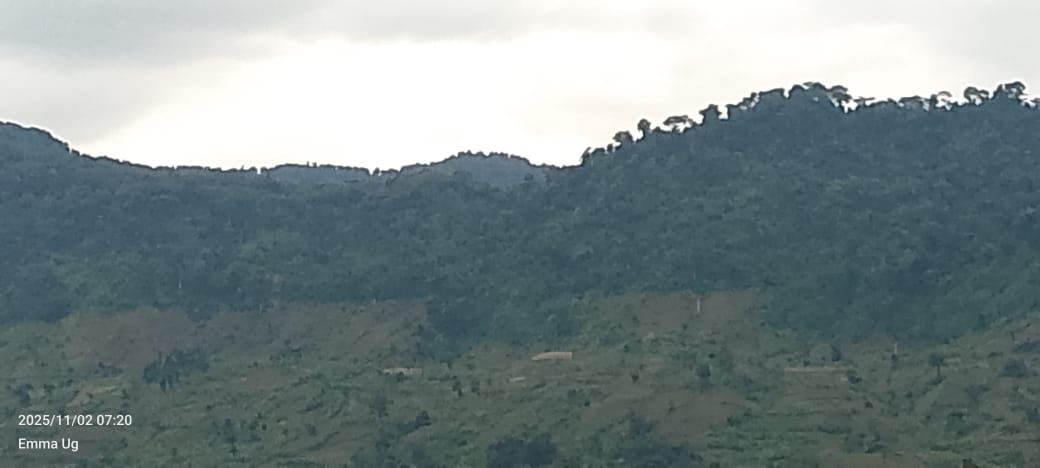
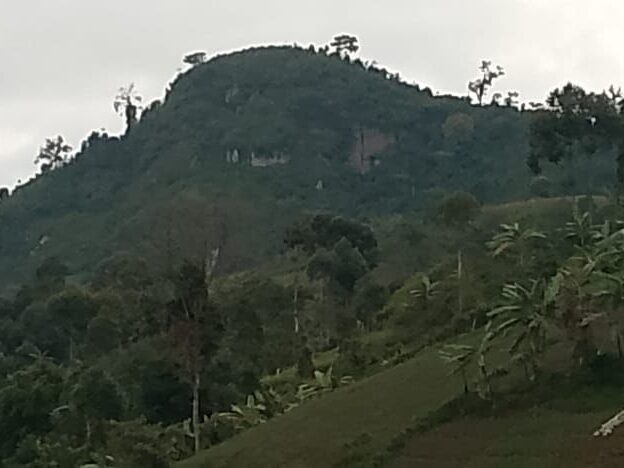
Local small-scale farmers in the Elgon sub-region’s mountainous district of Bududa have resorted to clearing forests to create new farmland for crop cultivation.
Since the return of the rainy season, many farmers in Bushika sub-county have encroached on and cut down trees in the Bushika and Bunapongo forests. Local youth leader Vincent Mayetse attributes this desperate move to the growing problem of loose soils on existing plots, which are now easily washed away by rainwater.
Farmers believe the forest soils are more fertile and stable. “The issue we are seeing now is that people have cut down trees from their homes and surroundings and the soils here have become very loose to support farming since the place is hilly,” Mayetse said. He added that some farmers are gaining access to forest land through connections with district local leaders.
A district haunted by deadly landslidesBududa has long been one of Uganda’s most landslide-prone areas. The combination of steep slopes, heavy rainfall, volcanic soils and decades of deforestation has created a deadly cycle of disasters. The district has suffered numerous tragic landslides over the years, resulting in heavy loss of lives and destruction of property. Key incidents include:
March 1, 2010: One of Uganda’s worst natural disasters, a massive landslide in Nametsi and surrounding villages buried entire communities, killing between 300 and 400 people and displacing around 5,000 others.
June 2012: A landslide in Bulucheke sub-county killed at least 18 people and buried several houses.
October 2018: Landslides claimed over 40 lives, with some reports indicating higher numbers, and displaced hundreds.
June 2019: Four landslides in a single heavy rain event killed six people, injured 27 and displaced 480.
December 2019: Another major landslide left more than 30 people dead, with many others missing.
Between 2008 and 2018, over 400 landslides were recorded in the Mount Elgon region, with Bududa bearing the brunt contributing to nearly 1,000 deaths across the broader Bugisu area in the past decade (with about 70% in Bududa).
From the early 1800s to 2013, landslides in Bududa alone are estimated to have killed over 500 people. These repeated disasters prompted the Ugandan government to launch resettlement programmes, aiming to move families from high-risk zones to safer areas such as Bulambuli, Kiryandongo and more recently Kween districts.
Plans have included cash transfers (around Shs 10 million per household plus land) and other support. However, implementation has faced challenges, including land disputes, resistance from communities unwilling to leave ancestral land, and slow progress, leaving many families still vulnerable.
Concerns over long-term consequences and alleged corruptionLocal businesswoman and resident Nabwami Rose has expressed deep concern over the continued forest encroachment, warning that it is destabilising weather patterns and will create even bigger problems for future generations.
“It is something we have struggled with in the region for a long time. Nature conservation is something that has to be considered by the local leaders and policy makers. If farmers continue encroaching on the forests, we shall have big challenges with time,” Nabwami stated. She also raised serious allegations of corruption, claiming that some local leaders are accepting bribes from farmers in exchange for allocating district forest land for cultivation, particularly during the rainy season.
“The leaders have been involved in bribes that are selling out the region. They receive bribes from farmers especially in this period and give out forests belonging to the district for cultivation purposes and this is wrong,” she noted.
The situation in Bududa highlights a dangerous feedback loop: landslides erode or destroy farmland, pushing farmers to clear remaining forests for new plots. Removing trees further destabilises the slopes, increasing the risk of future landslides and floods. With a growing population heavily reliant on subsistence farming, pressure on land remains intense.
Residents and leaders are calling for stricter enforcement of forest protection laws, better soil conservation measures, community sensitisation and more effective, acceptable resettlement options. Without urgent and decisive action by local leaders and policy makers, the cycle of deforestation, landslides and human suffering risks deepening in this vulnerable part of eastern Uganda especially as the rains continue.