
 Time FM
Time FM
Time FM
31 March 2026, 9:45 pm
By Shadrach Bethel Afayo
The District Environment Officer for Mbale has issued a strong warning to residents still occupying river banks and waterways, urging them to vacate flood-prone areas immediately or risk apprehension by authorities.
Mr. Charles Wakube, whose office leads wetland restoration, environmental degradation mitigation, and sustainable natural resource management, expressed frustration over the continued refusal of many people to leave risky zones. His office has also been supporting projects to help wetland encroachers transition to alternative economic activities.
“We have sung this for a long time without any tangible change. We are now going to resort to using force just so we can save the environment but also save the lives of our people,” Mr. Wakube said. He revealed that his office, in collaboration with the Resident City Commissioner’s office in Mbale City, has planned stakeholder engagements to decide on the next course of action for those who remain defiant.
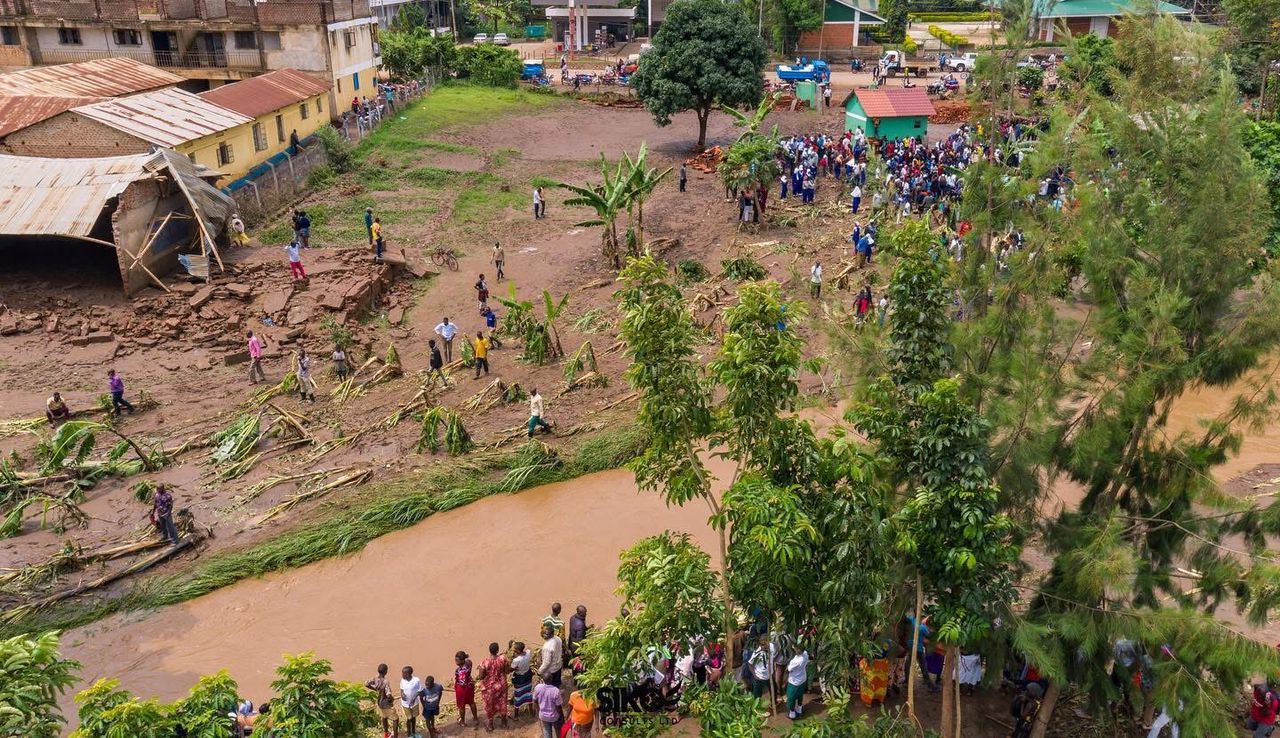
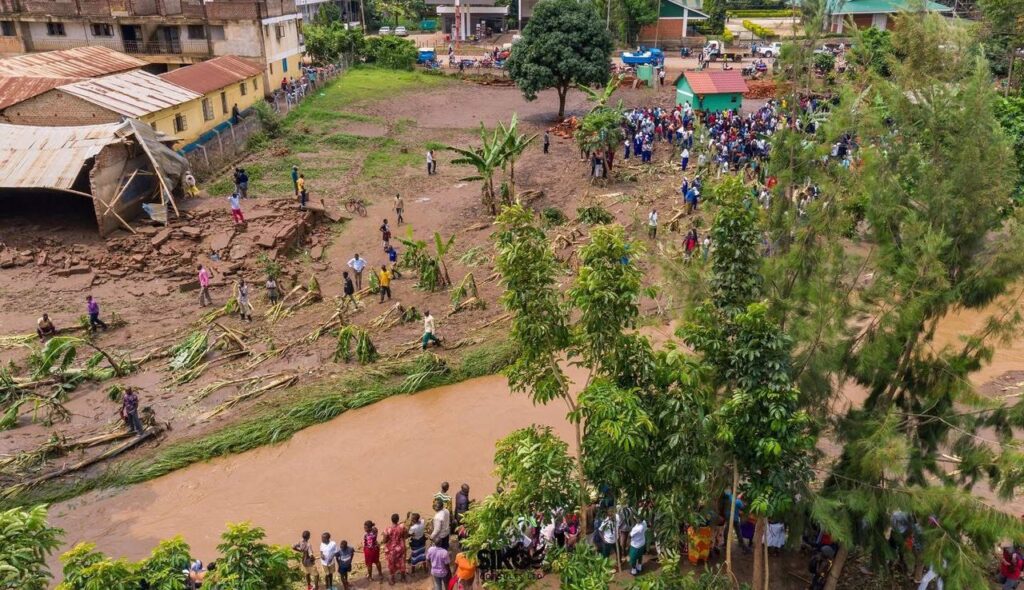
Mbale City has suffered repeated flooding in recent years, particularly along major rivers and streams such as Namatsyo, Namatala, and Nabuyonga. These water bodies frequently burst their banks during heavy rains, leading to loss of lives and massive destruction of property. The most devastating incident occurred in July-August 2022, when torrential rains triggered catastrophic flash floods. Rivers Nabuyonga and others overflowed, submerging residential areas, shops, roads, and infrastructure.
The disaster claimed 29 lives in Mbale City alone. Over 5,600 people were displaced, more than 4,000 households (approximately 20,000 people) were affected across Mbale and neighbouring districts, and around 400,000 residents lost access to clean water after pipes were damaged.
Hundreds of houses, schools, bridges, and over 2,000 hectares of crops were destroyed, with property losses running into billions of shillings. Smaller but still tragic flooding events have continued. In 2025, flash floods in Mbale and nearby Sironko killed at least three people and displaced hundreds. Earlier incidents also claimed lives and left scores affected, turning every rainy season into a period of fear for residents and authorities.
With persistent rains currently affecting the region, Mr. Wakube fears history could repeat itself due to the stubborn resistance of some residents. “The signs are there. We have been bitten before and it was really a hard pill to swallow. Every rainy season is a scare for us and our concern now is not just the environment or nature but the lives of the very people who ignore our calls to vacate these areas,” he emphasised.
Madoi Rogers, a resident of Nkoma Ward in the Industrial City Division, supported the enforcement move but cautioned authorities against simply evicting people without proper support.
“Telling people to vacate the places prone to floods is a good thing to protect lives and the environment, but they should also make sure that they have a long lasting solution to address the issue completely,” Madoi said. He urged the city council to develop a comprehensive relocation plan that provides affected residents with safe, alternative places to live and sustain their livelihoods.
The situation in Mbale highlights the dangers of wetland and riverbank encroachment driven by rapid urbanisation, population pressure, and limited alternative land. Encroachment on areas like the Namatala wetland and riverbanks has reduced the natural capacity of these ecosystems to absorb floodwaters, worsened erosion, and increased vulnerability to climate-induced heavy rains.
Mr. Wakube’s office continues efforts to restore wetlands and support alternative livelihoods, but he stressed that voluntary compliance has been low, forcing authorities to consider stronger measures. As rains intensify, residents and leaders in Mbale are once again reminded of the deadly cost of ignoring environmental warnings. Authorities hope the planned stakeholder engagements will yield practical solutions that balance conservation, public safety, and people’s need for secure homes and income sources.