
 Speak FM
Speak FM
Speak FM
17 March 2026, 2:49 am

By Gift Okello
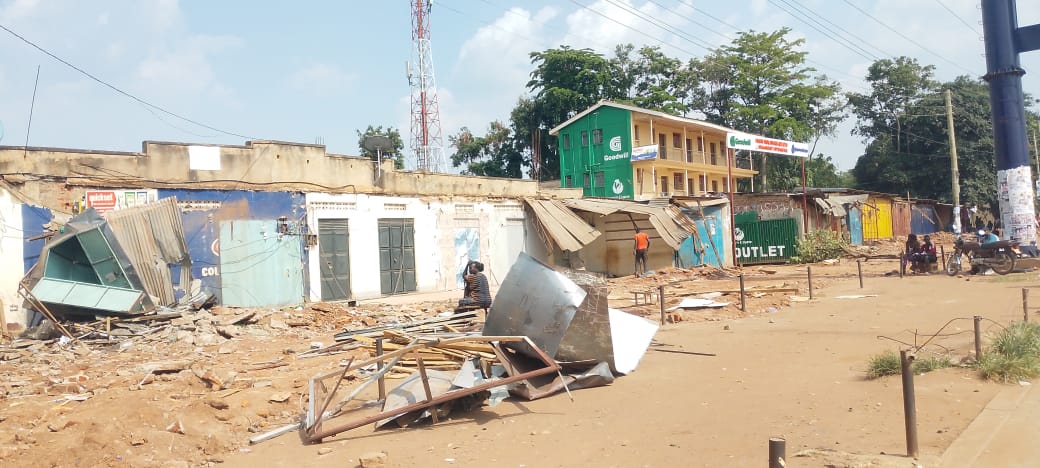
Roadside vendors in Gulu have been left stranded and desperate after city authorities began evicting them on Monday, following the expiry of a two-week ultimatum on Sunday 15th March 2026. Traders say they have nowhere to relocate their businesses, sparking fears of lost livelihoods and economic hardship.
Speaking to journalists, Ahimbisibwe Innocent, City Clerk of Gulu City Council, said the operation aims to restore trade order, improve city cleanliness, and reduce congestion along roads that could lead to accidents.
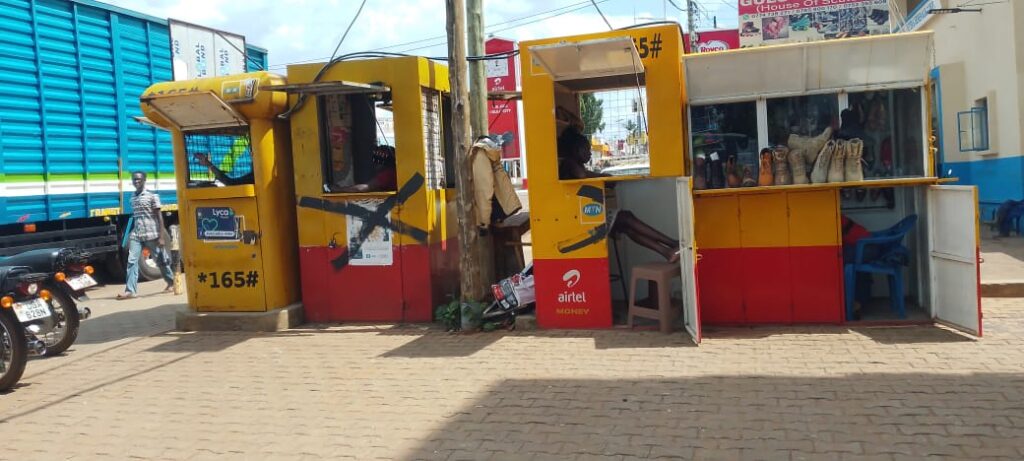
He added that all kiosks operating in unauthorized areas including those offering mobile money services are being removed, stressing that the directive applies to all traders without exception.
However, the eviction has raised concerns among traders who fear losing their livelihoods.
James Omara, a mobile money operator near Buganda Pub, argued that authorities should target only businesses that obstruct roads. He added that no alternative location has been provided, warning that evicting traders without a designated place to operate could force many to close shop or return to their villages.
Acen Stella, another mobile money operator in Cereleno, said relocating would be financially challenging. She explained that she pays 50,000 shillings per month in ground rent, sometimes without generating enough revenue to cover costs.
Several vendors described the directive as disruptive to their livelihoods.
Kinyera Peter, a fruit dealer in Cereleno, said that while reorganizing the city is necessary, authorities must clearly indicate where traders should relocate.
Meanwhile, Onen Peter, an opinion leader in Gulu cityu, described the two-week ultimatum as too short for traders to reorganize their businesses.
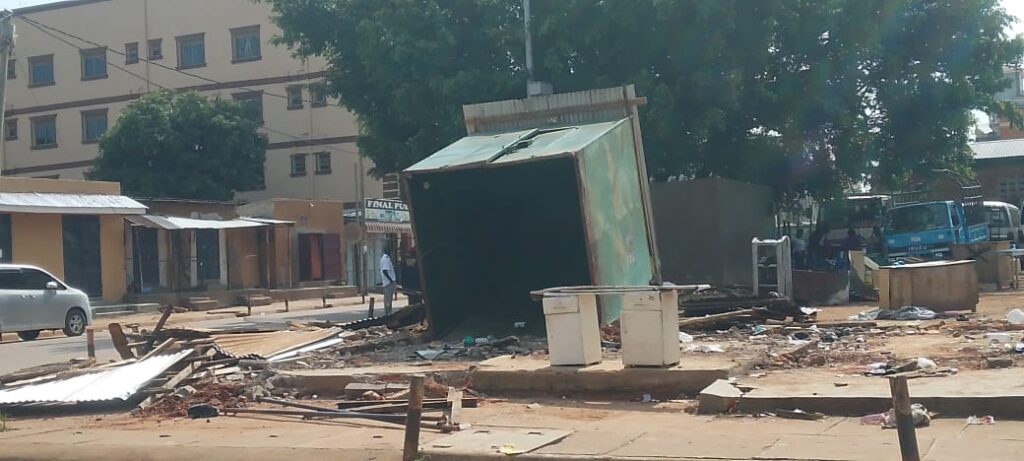
However,Alex Okoya, the LC II Chairperson of Labor Line, warned that the eviction exercise could face resistance or fail altogether if no viable alternatives are provided for informal traders.
The situation highlights the growing tension between urban management efforts and the economic realities faced by informal traders, who depend on daily sales to survive.