
 Unity FM Lira
Unity FM Lira
Unity FM Lira
17 February 2026, 6:26 pm
By Ambrose Okwanga
Lira District has restored 46.1% of its degraded wetlands. Of the population previously engaged in wetland degradation, 60% have left the wetlands in search of alternative livelihoods, while the remaining 40% continue to claim the wetlands as their traditional land.
Walter Ocen, the Environment Officer for Lira District, noted that communities are gradually changing their attitudes towards farming and settlement in wetlands, reflecting a growing awareness of the importance of wetland conservation.
“A good percentage of people are now aware of the dangers of wetland degradation, as they are experiencing the effects of climate change,” Ocen added.
He attributed the recovery to government and civil society initiatives directly engaging local communities along the wetlands, citing examples such as sensitisation campaigns, tree planting, and apiculture.
Ocen further stated that their goal is to restore 80% of degraded wetlands by 2040. He added that this initiative aims to mitigate climate change, and expressed optimism that by 2040, community members will no longer be forced to leave the wetlands, as they will understand the risks these ecosystems face and the threats posed to the environment.
“As a result, they will become advocates for environmental protection,” he said.
Ocen noted that their work is becoming easier due to the establishment of a committee tasked with raising awareness, addressing wetland-related issues, and submitting reports to district officials.
In Kole District, Tom Olet, the LC3 Chairperson for Alito Subcounty, noted that farmers in his area, particularly in two parishes, are voluntarily vacating wetlands following training and sensitisation on the dangers of wetland degradation conducted by the International Union for Conservation of Nature (IUCN).
Additionally, the IUCN equipped two representatives from each village with the necessary knowledge and skills, and they are now sharing this information with the wider community.
“This approach is already producing positive impacts, as many community members are taking up tree-planting initiatives and engaging in apiculture to improve their livelihoods and strengthen environmental conservation efforts,” Olet said.
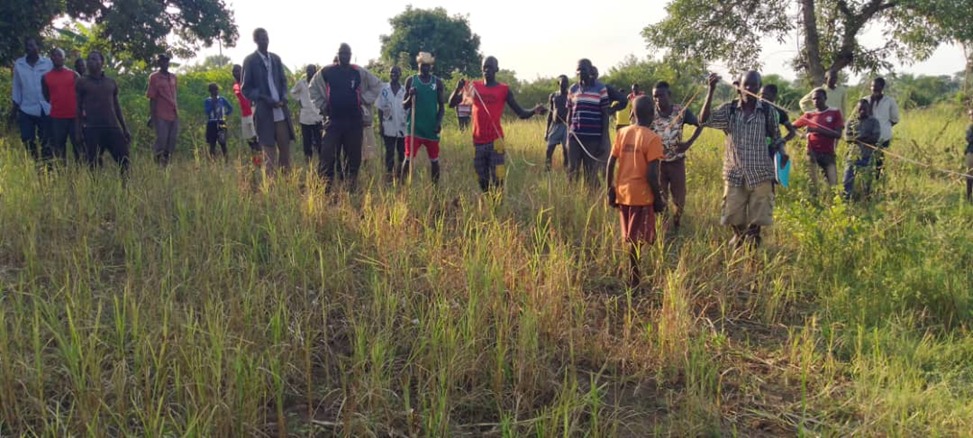
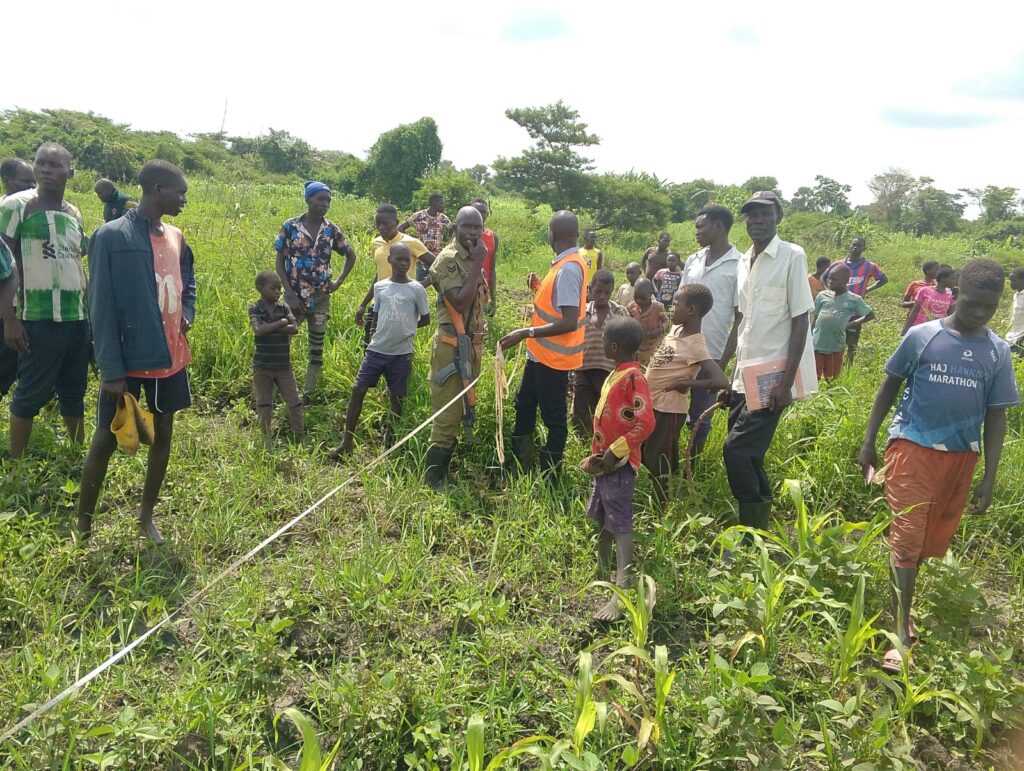
He also noted that some wetlands have been demarcated and trees planted along their boundaries, adding that the intervention has helped prevent encroachment by local communities and has strengthened the protection of these sensitive ecosystems.
Currently, Lira District has 928 wetlands, while wetlands in Uganda cover a total area of 3,762.6 square kilometres (km²), representing 13.9% of the country’s land. This reflects an increase of 0.9%, up from 13% in 2021 to 13.9% in 2023.