
 Radio Wang Ooh
Radio Wang Ooh
Radio Wang Ooh
31 December 2025, 9:39 am
By Freeman Canogura
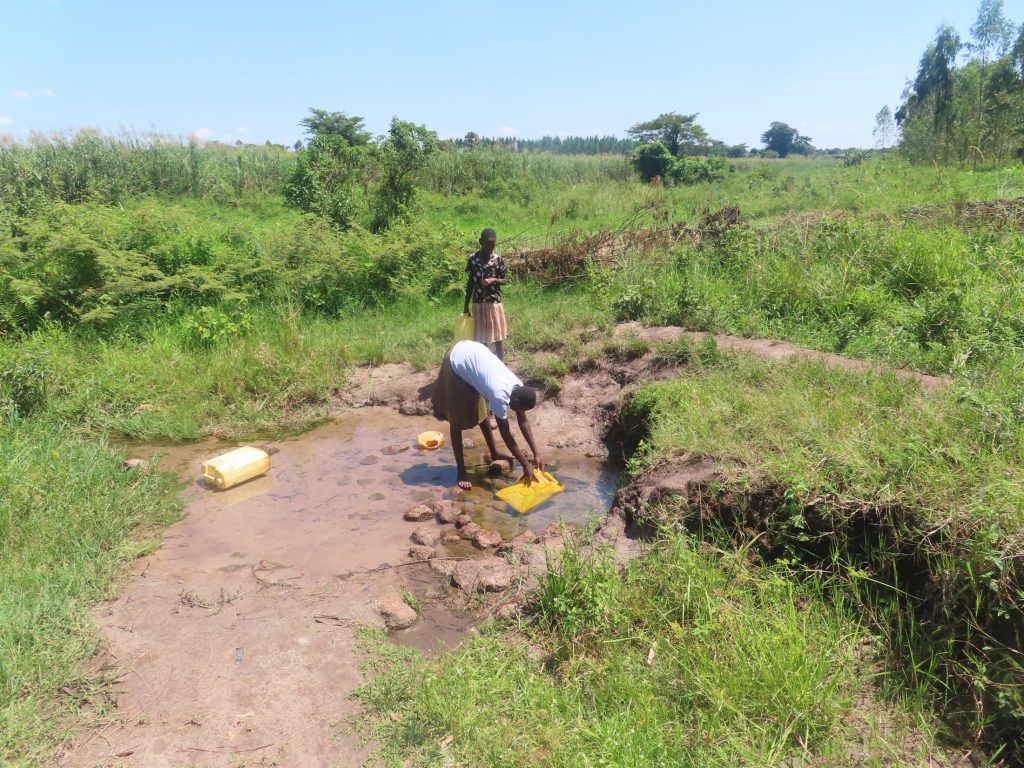
Residents in several rural parts of Agago District are facing increasing difficulty accessing clean water as seasonal water sources dry up faster than expected, forcing women and children to walk longer distances in search of water. Across many villages in the district, reports indicate that shallow wells, low-yield boreholes and natural springs that previously lasted through the dry season have already dried up. Community members say the situation is worse than in previous years.
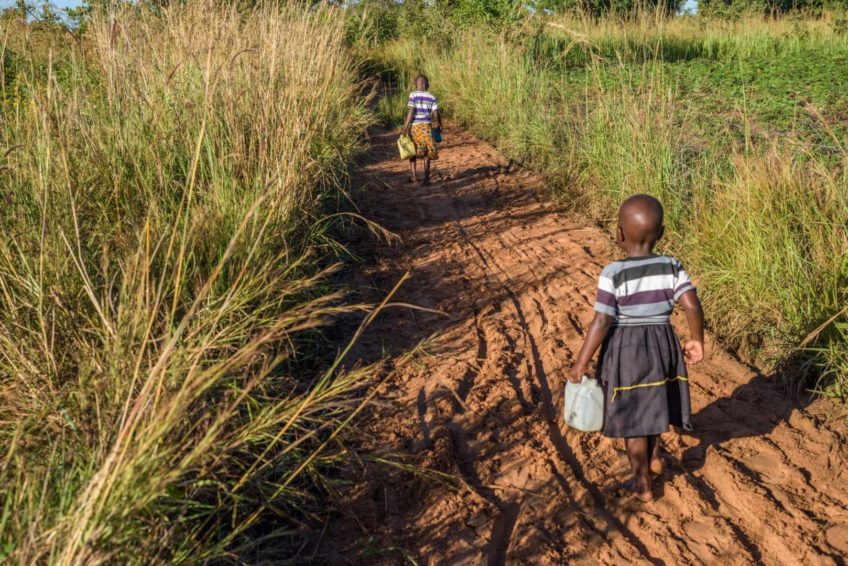
Women and children are carrying the heaviest burden. Akello Monica, a resident of Olung Bwol village in Lukole Sub-county, explains that her children now walk more than five kilometres each day to access a functional borehole in a neighbouring village. She says her village has no borehole and residents have long depended on a seasonal water point that dried up at the beginning of December. Monica adds that the water source dried much faster this year due to heavy usage by both people and animals. She notes that the long distances affect household chores, childcare and food preparation, while also exposing women and girls to safety risks.
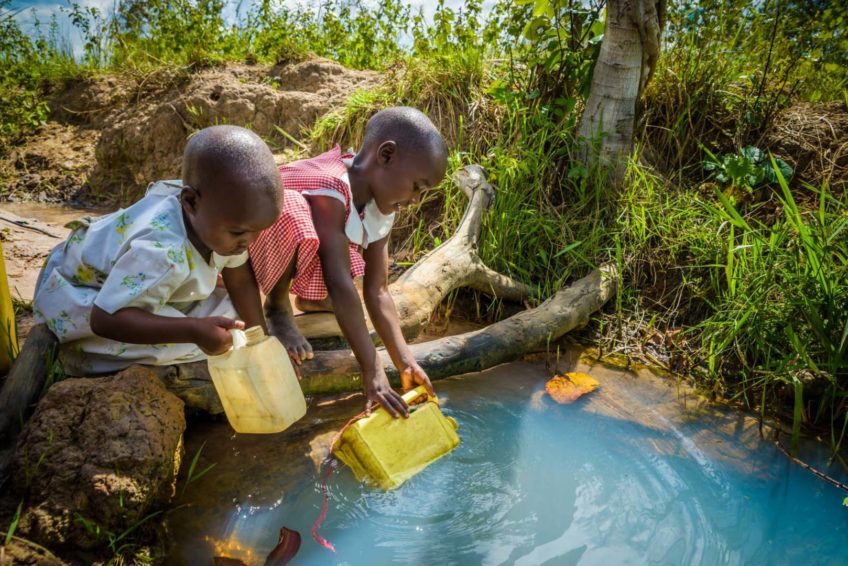
In Amokowang village, Kotomor Sub-county, Agweng Beatrice says the situation worsened after the only borehole serving their parish broke down five months ago and has not been repaired. She explains that residents were forced to rely on a stream about three kilometres away in Ogul, which has also dried up due to the prolonged dry season. As a result, Beatrice and her family now walk about five kilometres to the nearest available borehole in a neighbouring parish.
Health workers warn that limited access to water could lead to serious sanitation and hygiene challenges. Dr. Samantha Angeyo, In-Charge of Patongo Health Centre IV, explains that water scarcity often leads families to reduce handwashing and latrine cleaning, increasing the risk of waterborne diseases, especially among children. She says urgent measures are needed to address the water shortages to prevent disease outbreaks.
According to Eng. Emmanuel Oroma, the Agago District Water Officer, changing rainfall patterns linked to climate change have reduced groundwater recharge across the district. He explains that shorter rain periods combined with intense downpours cause water to run off quickly instead of slowly soaking into the ground to refill underground sources.
Oroma adds that prolonged dry spells have dried up many natural water points. He says the district needs to prioritise repair of broken boreholes in affected communities and calls on government and development partners to invest in deeper, climate-resilient boreholes. Oroma notes that population growth, environmental degradation and destruction of wetlands have further worsened the water situation.