
 Speak FM
Speak FM
Speak FM
2 April 2026, 12:38 pm
By Gift Okello
Health experts and local leaders are sounding the alarm over a sharp rise in liver cancer cases across Northern Uganda, pointing to poorly stored food and preventable infections as the primary culprits.
Officials from the Uganda Cancer Institute have linked the regional spike to high levels of Hepatitis B and chronic exposure to aflatoxins poisonous carcinogens produced by Mold that grows on improperly stored crops like grains and nuts.
Dr. Fadhil Giriga, a specialist at the UCI, identified aflatoxin contamination as a major driver of liver disease in the region. He noted that traditional food handling practices, particularly storing produce for long periods in damp or unsafe conditions, are inadvertently exposing thousands to lethal toxins.
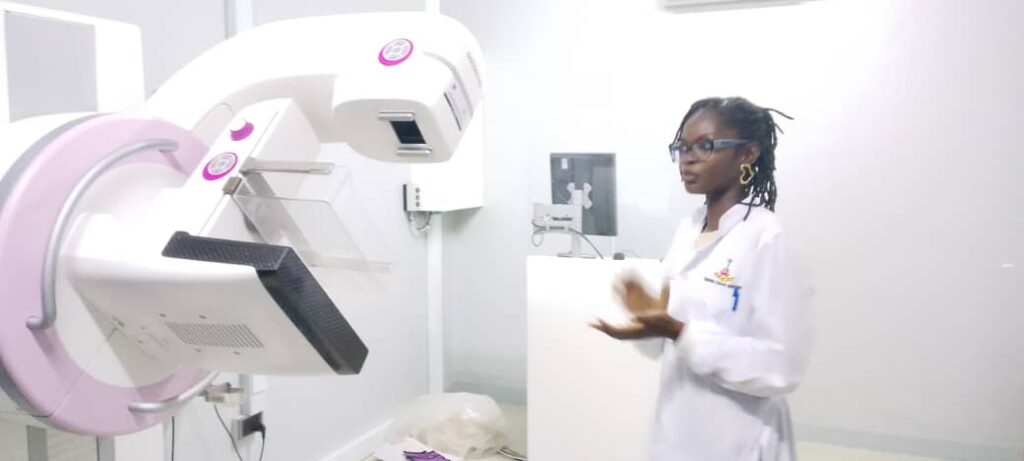
Beyond liver health, Dr. Giriga expressed deep concern over the underutilization of breast cancer screening services. Despite the availability of a modern mammography machine at the facility, the number of women seeking early detection remains dangerously low.
The UCI emphasized that while the institute is fully equipped to provide life-saving screenings and treatment, the “silent” nature of the disease combined with low turnout is leading to a surge in late-stage diagnoses.
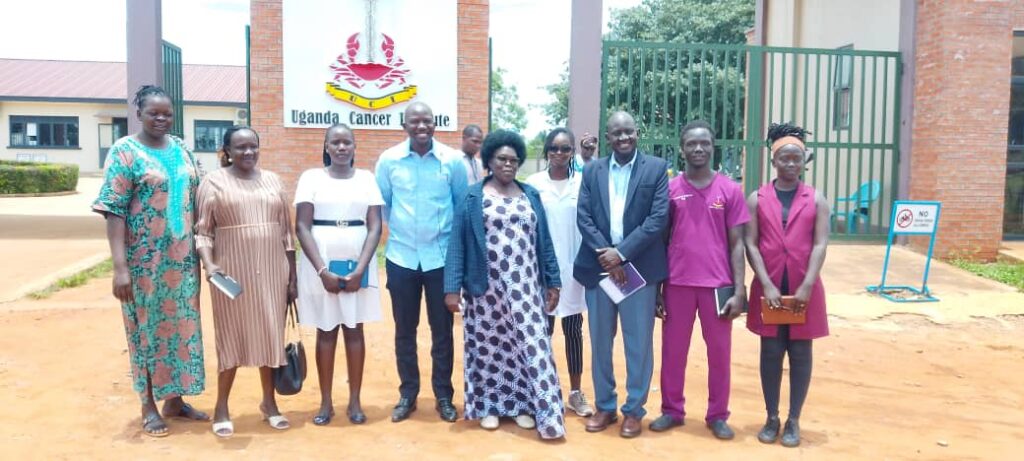
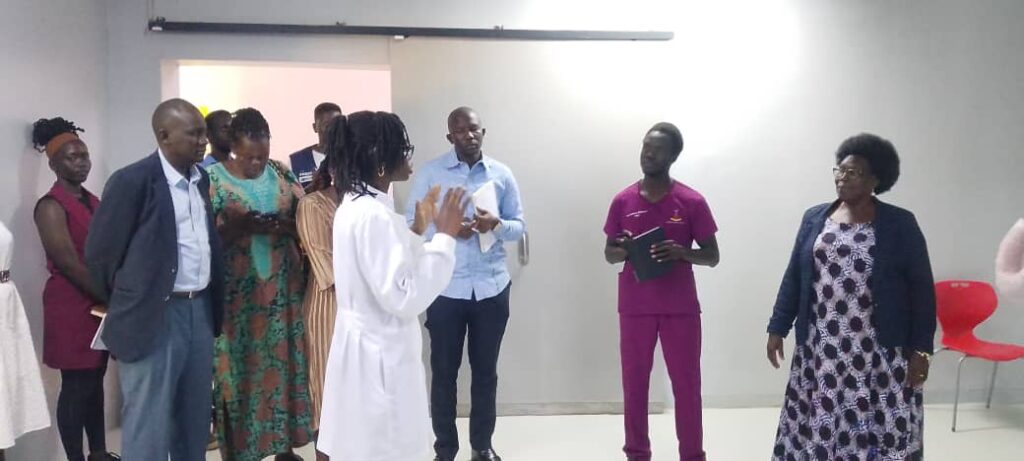
The health crisis has prompted a call to action from Gulu City’s political leadership. During a recent visit to the Institute, Mayor-elect Acire Julius Labeja Gunya urged a bridge between public health interventions and scientific research.
He specifically called on the public To enforce stricter hygiene and storage protocols, To adopt better handling techniques to minimize mold growth and To remain vigilant about the quality of the food they consume.
Accompanying the Mayor-elect, the Gulu City Woman Member of Parliament highlighted the physical strain on the current facility. Observing the growing influx of patients, she advocated for the urgent expansion of the institute, including the acquisition of more land for infrastructure and staff housing to better serve the region.
Authorities believe the tide can be turned through pronged strategy by combating stigma and encourage screening, to provide accessible care for those already affected.
As the burden of cancer grows in Northern Uganda, the message from health experts is clear: prevention through better nutrition and early screening is no longer optional it is a matter of survival.