
 Speak FM
Speak FM
Speak FM
31 March 2026, 5:34 pm
By Calnono Emmanuel Upson
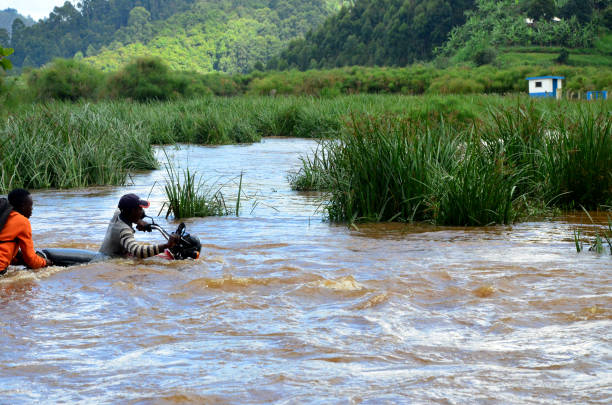
In Northern Uganda, Gulu District Local Government has raised the alarm over worsening climate conditions, warning that communities must urgently adopt climate-smart practices to protect their livelihoods. Authorities say increasingly unpredictable weather patterns, marked by sudden floods and prolonged dry spells, are already taking a toll, making resilience critical for survival.
Speaking to our reporter, Gulu District Forest Officer, Mr Ocaka James, said the region is facing the dual threats of drought and flooding, which continue to disrupt agricultural productivity. He urged farmers to adopt drought-resistant crops and embrace agroforestry, integrating trees with crops such as cocoa, coffee, and white maize to strengthen resilience.
Mr Ocaka emphasised that the focus must shift from production alone to survival strategies. He noted that diversified farming systems can help households withstand climate shocks, protect food security, and reduce reliance on vulnerable ecosystems. Agroforestry, he added, remains a key intervention in improving yields, preventing soil erosion, and restoring degraded land.
Meanwhile, the Secretary for Production at Gulu District Local Government, Hon. Komakech Micheal, identified Palaro, Omel, Paibona, and parts of Bungatira Sub-county as the most flood-prone areas. He noted that Palaro has been the hardest hit, attributing the situation to extensive tree felling, which has worsened flooding.
Komakech emphasised the need for communities to prioritise tree planting as a means of environmental restoration, particularly in response to the effects of commercial charcoal burning and deforestation.
To support these efforts, Gulu District has established six nursery beds to supply tree seedlings to farmers, while also intensifying campaigns against indiscriminate tree felling. Training programmes are ongoing to educate communities on the broader benefits of tree planting, including alternative livelihoods such as beekeeping.
District leaders stressed that climate change is no longer a distant threat but a present reality requiring immediate and collective action. They highlighted that sustainable farming, reforestation, and community participation are essential to mitigating its impact.
At the community level, Okot Bitek, a farmer from Unyama Sub county, shared his experience of how changing weather patterns have impacted farming activities.
His account reflects the challenges faced by many farmers across the district, emphasising the urgent need for adaptive measures. For Gulu, stakeholders say that addressing climate change is no longer optional but essential to protect livelihoods and safeguard the environment’s future.