
 Speak FM
Speak FM
Speak FM
23 April 2026, 1:49 pm
By Daniel Omuge
Different stakeholders in Gulu have intensified mobilisation efforts, urging constituents to pressure their Members of Parliament to reject the proposed Protection of National Sovereignty Bill, 2026, a draft law the government is preparing to table before Parliament.
According to government officials, the bill seeks to safeguard Uganda’s national interests by regulating foreign influence in domestic affairs. It proposes strict measures, including mandatory registration, disclosure, and oversight of individuals and entities suspected of acting on behalf of foreign interests, as well as tighter controls on foreign funding and participation in policy processes.
However, the stakeholders have raised strong objections, warning that the bill could have far-reaching social and economic consequences.
During a radio Talk show on 89.5 SPEAK FM, Kenneth Lubangakene Program Associate Gulu NGO Forum, described the proposed legislation as “deeply flawed and dangerous,” arguing that it raises serious constitutional concerns.
He further cautioned that the bill could classify Ugandans living abroad as foreigners, a move he says would disrupt diaspora remittances and negatively affect families that depend on them for survival.
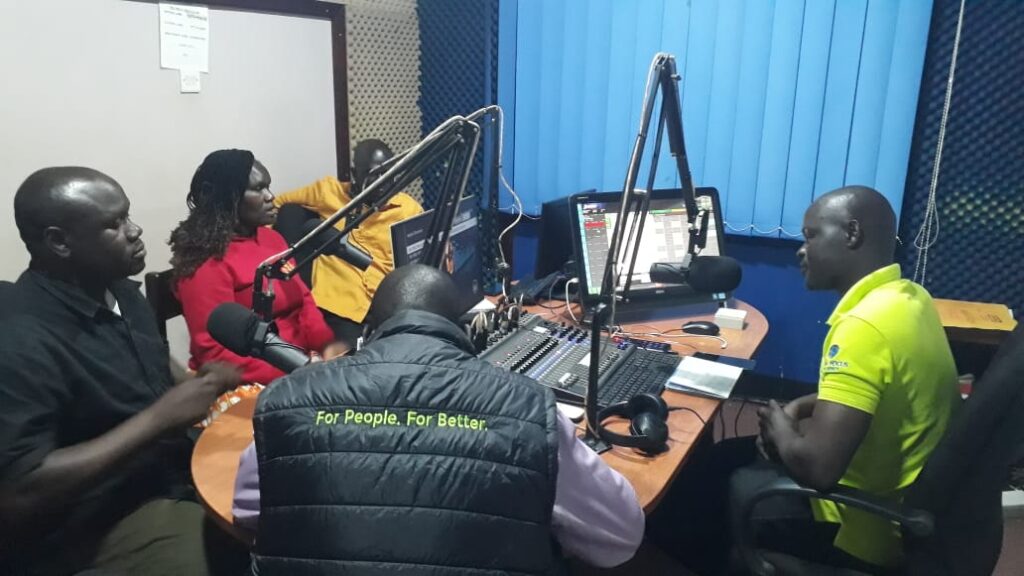
Besides, Francis Odongyoo, Director of Human Rights Focus, warned that the bill could impact an estimated 2.5 million Ugandans. He noted that individuals and organisations with foreign links may be compelled to register as “foreign agents,” a requirement he says could stifle legitimate operations.
Meanwhile, Fred Ngom Okwee, a Transitional Justice Consultant and former Mayoral candidate for Bardege-Layibi Division in Gulu City, has cautioned that the proposed law could undermine Uganda’s economic stability.
He adds that Uganda relies heavily on foreign support. Passing such a law would be self-destructive, especially given the country’s existing debt burden.
Meanwhile, Florence Lalam, Female Councilor for Laroo-Pece North Division, criticised NRM Members of Parliament for what she described as blind support for party positions without adequate scrutiny.
“This bill risks costing many Ugandans their jobs. Leaders must prioritise the interests of citizens over party loyalty,” she emphasised.
The stakeholders, further argue that although the bill may be well-intentioned, it is economically risky. They warn that restricting foreign inflows, increasing compliance burdens, and creating regulatory uncertainty could reduce investment, increase unemployment, lower household incomes, and shrink government revenue.
Analysts estimate that the bill could cut Uganda’s economic growth by between 0.5 and 1 percentage point annually equivalent to a loss of between UGX 1 to 2 trillion in economic output each year.
In its current form, stakeholders warn, the proposed law risks slowing Uganda’s progress toward middle-income status by weakening key drivers of growth, including investment, innovation, global integration, and job creation.