

 Unity FM Lira
Unity FM Lira
Unity FM Lira
19 March 2026, 15:21
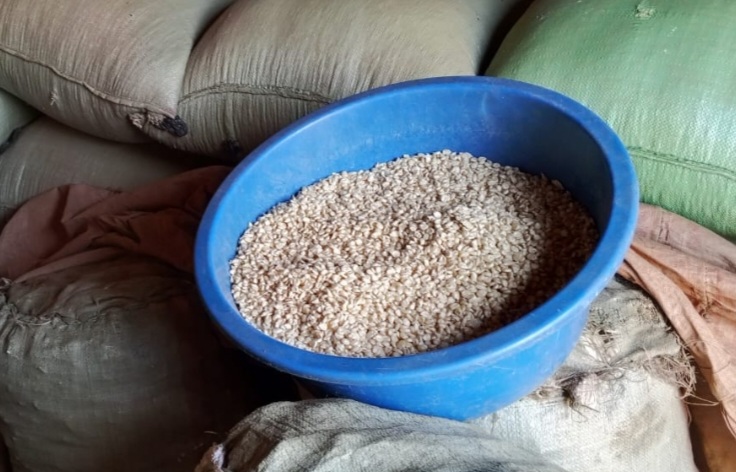
The fight against aflatoxin contamination requires coordinated action from farmers and traders to consumers and policymakers. Improved post-harvest handling, access to drying equipment, stronger market regulation, and increased public awareness are critical steps toward safeguarding food quality.
Aflatoxins poisonous substances that develop in poorly handled grains continue to pose a silent but serious threat to food safety in Uganda. While widely consumed staples such as maize, sorghum, and groundnuts are essential to livelihoods, the question remains: where does this dangerous contamination begin?
Post-Harvest Struggles at the Farm Level
In Lango sub-region, where grain farming is a major source of food and income, many farmers lack proper storage facilities, compromising the quality of their produce.
Bosco Acila, a farmer from Alyec B village in Ogur Sub County, Lira district explains that inadequate post-harvest handling remains a major challenge.
He says that due to unpredictable weather and lack of tarpaulins, farmers often store maize before it is fully dried, sometimes heaping it while still moist conditions that encourage aflatoxin growth.
Traders Caught Between Supply and Quality
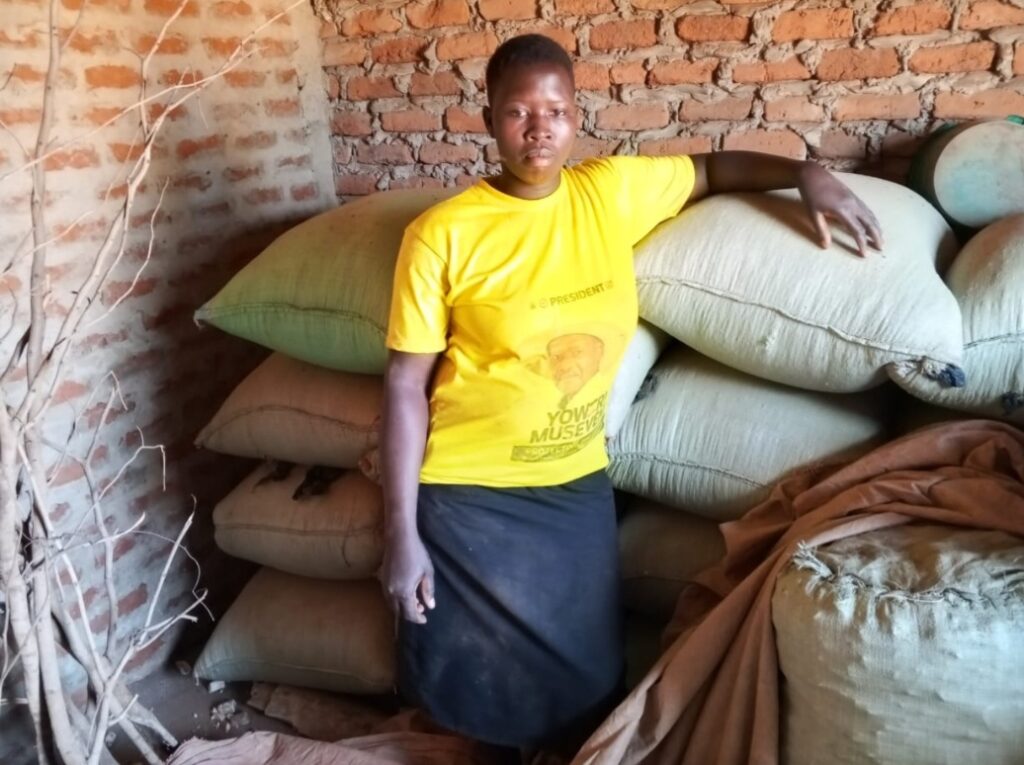
The problem extends beyond farms to local markets. Winnie Omara, a produce dealer in Ootkwac village, Alito Sub County, says she frequently receives poorly dried maize from farmers.
Despite knowing the risks, she admits that limited drying materials force traders to store the grains as they are while waiting for buyers, further increasing the chances of contamination.
Poverty and Middlemen Worsen the Crisis
Local leaders say economic hardship is worsening the situation. Thomas Obur, LC3 Chairperson of Ayami Sub County in Lira District, notes that poverty drives many farmers to sell crops from the garden before proper drying.He adds that middlemen often exploit this situation by persuading farmers to sell early, ultimately lowering the quality of produce on the market.
Obur is now calling on the government to regulate middlemen to safeguard both public health and the economy.
Quality Control Challenges in Markets
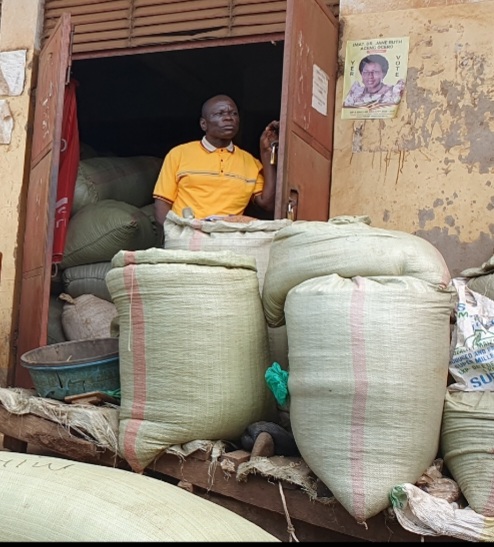
Produce dealers say they are making efforts to maintain standards. Patrick Ogwal, Chairperson of Produce Dealers in Lira City, explains that traders often reject poorly dried or unsorted grains. However, he warns that some farmers still find ways to push substandard produce onto the market.
He highlights practices such as mixing grains with soil and stones, which not only compromises quality but also increases the risk of aflatoxin contamination.
Ogwal further points out that the absence of a local laboratory makes testing expensive and inaccessible.
Low Consumer Awareness Increases Risk
Consumers, too, play a role in the cycle. Brenda Akello, a resident of Kirombe Cell in Lira City East Division, admits that many people purchase grains without verifying their safety.
This lack of awareness leaves households vulnerable to consuming contaminated food.
Experts Warn of Serious Health and Economic Consequences
According to Antonio Semakalu from the Uganda National Bureau of Standards, all grains should be tested for moisture content and aflatoxins before consumption or sale.
For maize, moisture levels should not exceed 12 percent, as higher levels significantly increase contamination risks.
Failure to meet these standards has already impacted Uganda’s trade, with maize exports previously rejected on international markets due to poor quality.
Health experts are sounding even stronger warnings. Dr. Buchan Ocen, Lira District Health Officer, reveals that over 75 percent of grains such as simsim, groundnuts, and sorghum in Uganda contain aflatoxins.

He adds that poor post-harvest handling leads to up to 50 percent loss in grain production and more than 50% of grains in Lango and Acholi sub-regions are contaminated with aflatoxins.
Nationally, more than 80 percent of staple foods are at risk of contamination. Aflatoxins are linked to severe health conditions, including food poisoning, diarrheal diseases, liver damage, and cancer.
In 2021 alone, Uganda recorded approximately 1.3 million cases of foodborne illnesses, with contaminated food accounting for 14 percent of the disease burden.Dr. Ocen further notes that aflatoxins contribute to about 40 percent of liver cancer cases in Africa.
In Uganda, an estimated 3,700 cases are reported annually, with many treated at Mulago National Referral Hospital and other cancer centers. Children are particularly vulnerable, facing risks of stunted growth, weakened immunity, and in severe cases, death.
A Call for Urgent Action Across the Food Chain
Without urgent intervention, this invisible threat will continue to undermine public health, disrupt trade, and erode livelihoods across Uganda.