
 Unity FM Lira
Unity FM Lira
Unity FM Lira
6 March 2026, 12:41 pm
By Winnie Auma & Gloria Aceng
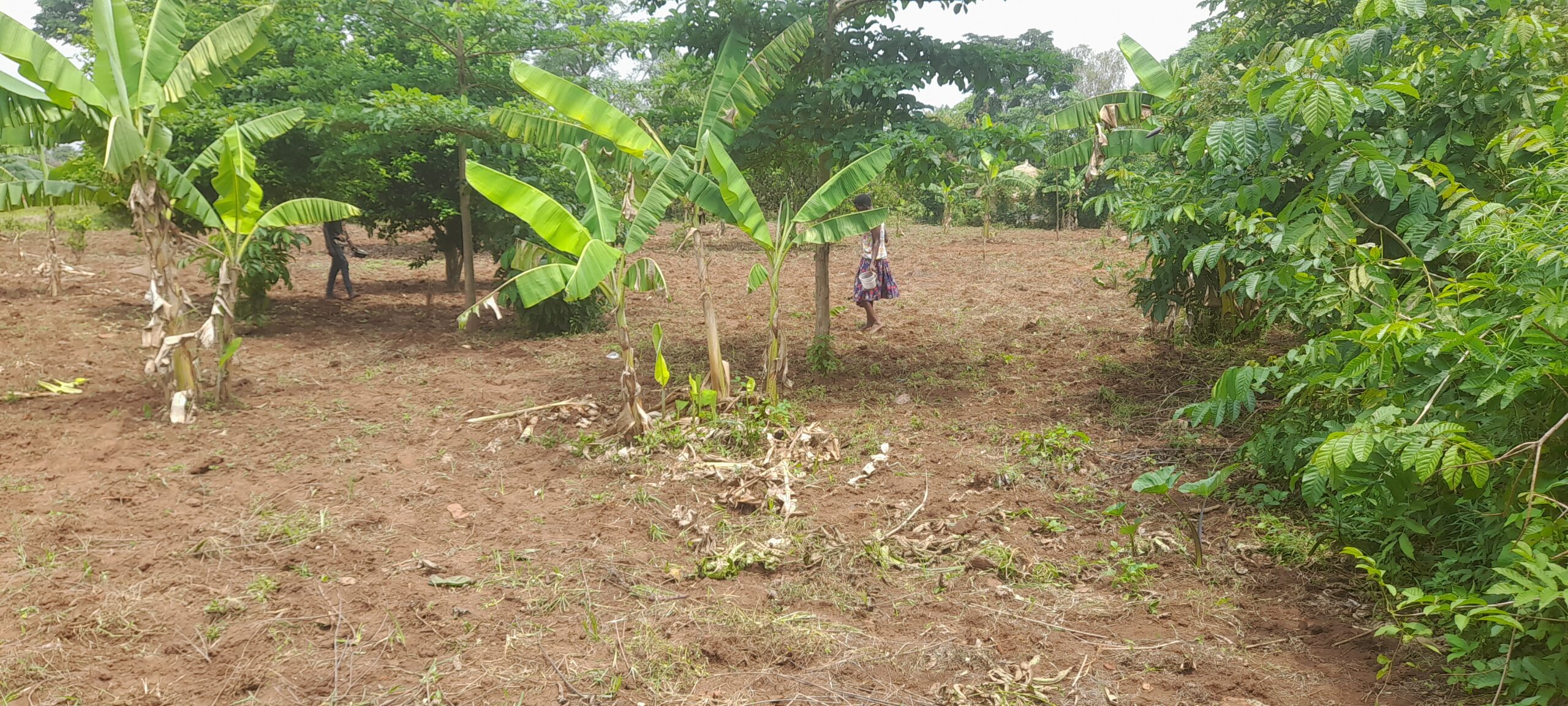
Farmers in the Lango sub-region have been urged to begin planting following the onset of the current rains, which are expected to last for several weeks.
According to George William Omony, Manager for Forecasting Services at the National Meteorological Authority, the rains experienced in February were temporary.
He explained that the current rains are expected to continue through April and May, with some areas likely to experience thunderstorms. Omony added that rainfall will slightly reduce for a few weeks between May and June in most parts of the Lango sub-region.
He therefore called on farmers to take advantage of the current rains and plant their crops immediately to ensure a good harvest.
However, Omony warned residents living near lakes and other water bodies to relocate to safer areas, saying such locations are likely to be affected by floods during the rainy season. He also advised the public to remain vigilant against lightning by installing lightning arresters in public places such as schools, churches, and hospitals.
Meanwhile, Omony cautioned locals against taking shelter under trees during rainfall or staying in dilapidated houses, noting that this could expose them to serious danger.
Hillary Onek, the Minister of Relief, Disaster Preparedness and Refugees, has issued a circular indicating that near- to above-average rainfall is expected in parts of West Nile, Lango, Rwenzori, Kigezi, some areas of Acholi, Bugisu, Bukedi, parts of Teso, and Buganda.
He warned that flooding and waterlogging are likely in low-lying areas and on the lower slopes of Mount Elgon, including districts such as Butaleja, Rubanda, Kisoro, Amuru, Obongi, Pakwach, Kayunga, Kalungu, Rakai, Kitgum, Otuke, Lamwo, Serere, Bukedea, and Kasese. According to Onek, this may result in the destruction of livelihoods and damage to infrastructure.
He also noted the risk of flash floods in Kampala and other cities, which could potentially disrupt transport and business activities.
The government strongly encourages communities in sub-regions expected to receive above-normal rainfall to take full advantage of the rains by maximising water harvesting and increasing food production as coping mechanisms during the dry season and periods of scarcity.
Onek added that as the government continues to monitor rainfall patterns and evolving weather conditions, District Disaster Management Committees and District Disaster Policy Committees are being called upon to intensify community sensitisation, closely monitor early warning signals, and encourage timely action at the community level.