
 LUO FM
LUO FM
LUO FM
31 December 2025, 5:13 pm
By Golden Vicky Ayiro
With changing weather patterns, farmers in the Acholi sub-region have been encouraged to embrace crop diversification and the cultivation of perennial crops as a strategy to increase household incomes, improve post-harvest livelihoods, and adapt to changing weather and climatic conditions.
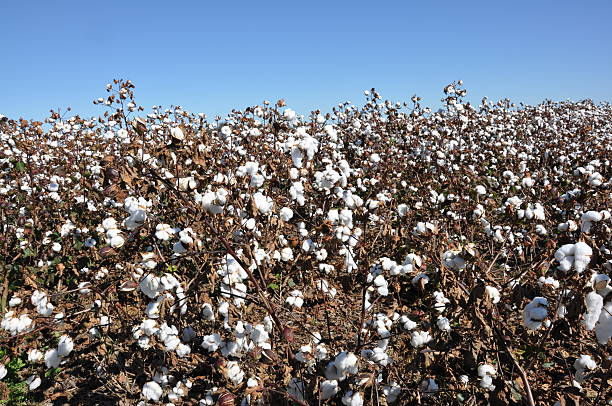
In Pader District, Kidega Micheal, a cotton farmer from Odani Village in Opate Parish, Atanga Sub county, says unpredictable climatic conditions have placed many farmers at risk of famine. He explains that most farmers primarily plant food crops and sell a large portion of their harvest to meet immediate needs, a practice that may leave them without food or income during the forthcoming dry season. Micheal further advises farmers to invest in perennial crops such as coffee and cocoa, as well as cash crops like cotton, which performs well in both dry and wet seasons.
Micheal also calls on households that still have food reserves to save for the dry season and urges farmers to prioritise crop diversification in the next planting season. He encourages the cultivation of multiple crops, including cassava, soya beans, maize and cotton, within the same area, rather than relying on a single crop.
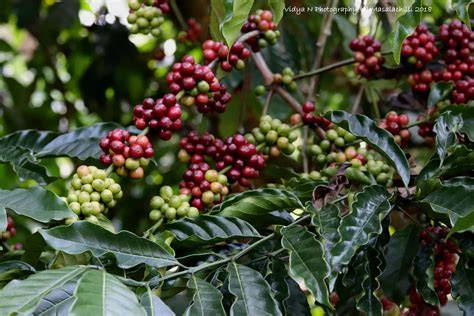
Meanwhile, in Omoro District, Ceaser Oyaro, a coffee farmer from Wii-Atoo Village in Teegot Parish, Akidi Sub-county, notes that coffee harvesting in Northern Uganda typically runs from November to January. He says that although farmers are still harvesting, the current dry spell has significantly reduced yields.
Oyaro explains that under favourable weather conditions, coffee can be harvested twice a year; however, changing weather patterns have negatively affected productivity. He advises coffee farmers to regularly water their plants—at least once a week—during the dry season to prevent wilting.
He adds that he planted his coffee in 2019 and has so far harvested for three years. According to Oyaro, the best time to plant coffee is at the onset of the rains, around late March. He encourages farmers to invest in coffee, noting that it is a perennial crop that can remain productive for up to 60 years.
Oyaro also highlights the benefits of intercropping, saying he grows matooke alongside coffee to provide shade. He explains that he harvests matooke twice within two years before the first coffee harvest, which helps to support household income.
In Agago District, cultural leader Rwot P’otong Kasimiro Ongom has acknowledged the importance of perennial crops and urged farmers to adopt them as a long-term solution to food security and income stability. He attributes the changing climatic conditions to widespread tree cutting in the region, noting that more than 1,000 trees are lost each day in Agago District alone.
Sydou Adolatono, the Pader District Production Officer, emphasises that crop diversification helps farmers to mitigate risks associated with climate change and pest outbreaks, while improving soil health and increasing overall agricultural productivity.