
 LUO FM
LUO FM
LUO FM
2 January 2026, 8:57 pm
By Golden Vicky Ayiro
Local leaders in Pader District have raised concerns over human activities contributing to declining soil fertility, threatening agricultural productivity.
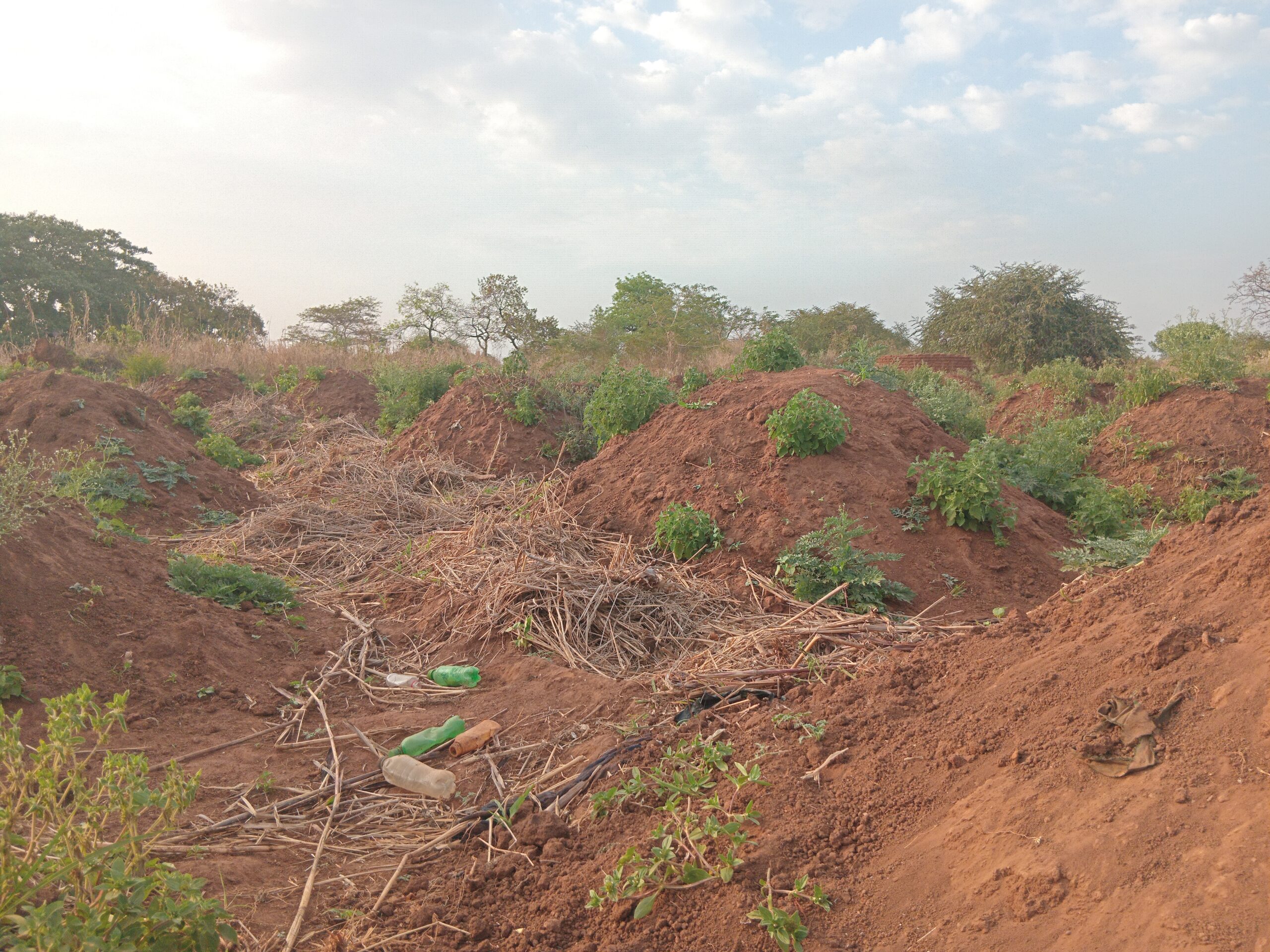
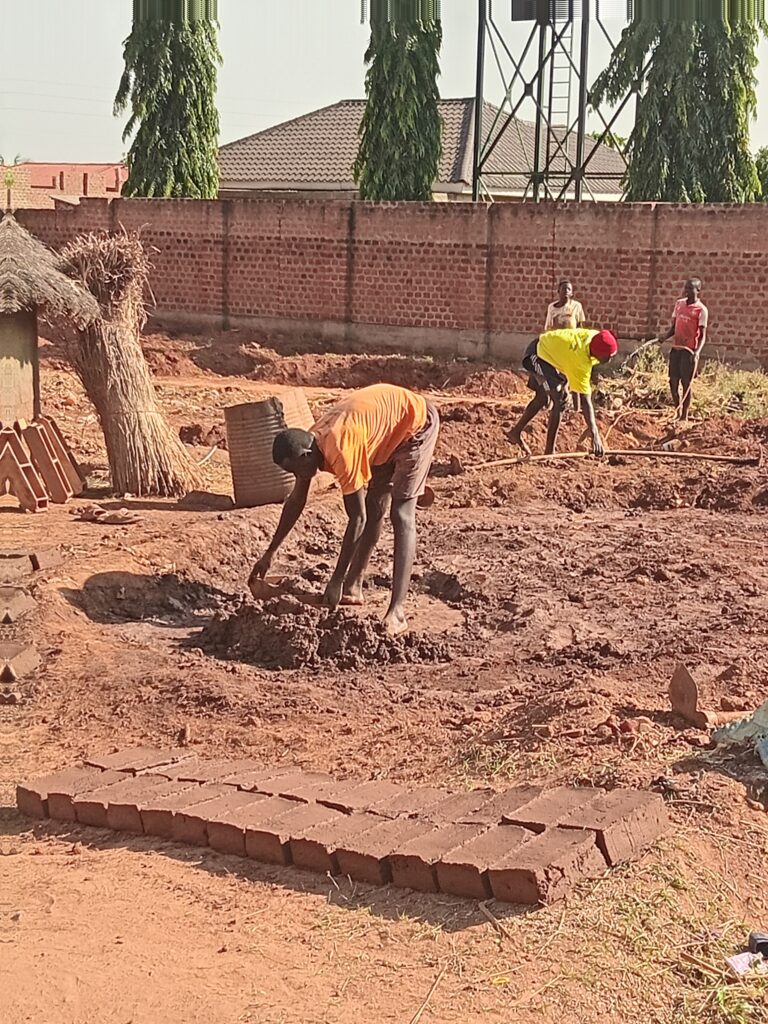
Among the activities cited are bricklaying, commonly carried out between December and March, and large-scale tree cutting. Officials say these practices strip the soil of essential nutrients and leave land bare, making it more vulnerable to extreme heat and other climate-related challenges.
Other activities highlighted include the use of heavy machinery, monocropping, and excessive use of pesticides and fertilisers, which degrade soil quality, pollute water sources, and contribute to biodiversity loss.
Cultural Chief Rwot P’otongo Kasimiro Ongom attributed the degradation to a negative attitude towards the environment. “People tend to cut down large numbers of trees without replacing them,” he said. “Afforestation and reforestation are key to greening our environment, promoting rainfall, and ensuring high crop yields.”
On the practice of bricklaying, the Chief noted that in the past farmland was respected and reserved strictly for crop cultivation. “Today, land is being used for activities that harm its fertility,” he added. While acknowledging that burnt bricks contribute to durable house construction, Rwot Kasimiro expressed concern that the topsoil removed during bricklaying is non-renewable and does not easily regenerate, leaving farmland permanently degraded.
The Pader District Production Officer, Sydou Adolatono, advised residents to confine bricklaying to areas no longer used for farming. He noted that the pits left behind can also collect water for crop irrigation. He urged the public to plant and replant trees to help restore the environment.
Experts warn that without immediate corrective measures, the district faces long-term declines in both agricultural productivity and environmental sustainability.