
 LUO FM
LUO FM
LUO FM
12 January 2026, 7:01 am
By Geoffrey Okwong
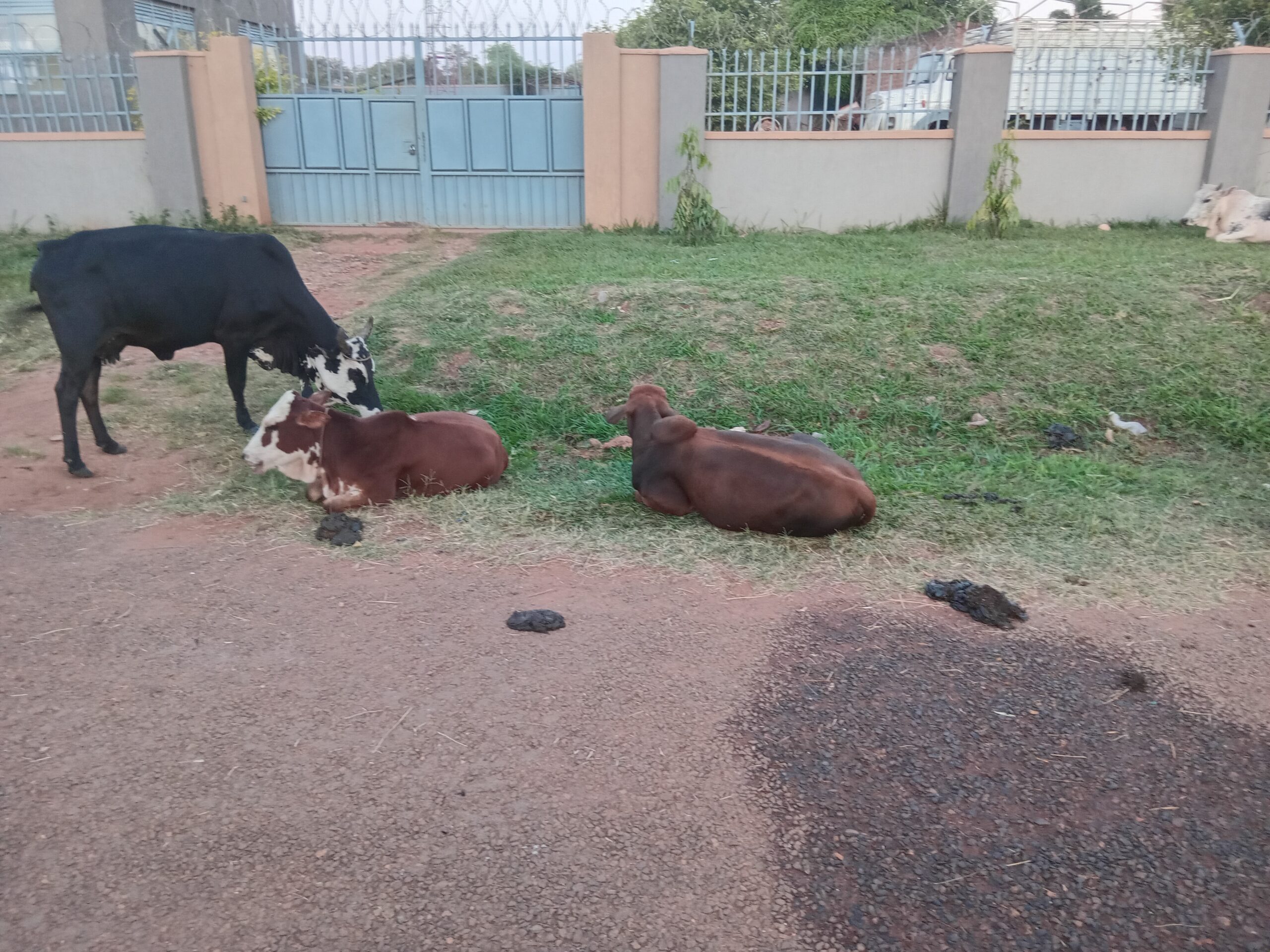
The public has been urged to restore traditional grazing grounds to curb the increasing number of animals roaming the streets, particularly in urban centres across the district.
Fearless Kilama Wodacholi, LC III Chairperson for Pader Town Council, on Wednesday called on residents—especially livestock owners—to take responsibility for their animals and stop allowing them to roam freely.
Kilama warned that poor animal management could destroy grasses and trees in the environment and also jeopardise government plans to restock households in the Acholi subregion. He noted that the government intends to provide five heads of cattle per household, but such initiatives could be withdrawn if communities continue to leave animals unattended.
He added that free-ranging animals have caused significant damage to trees planted on the town council grounds. Several trees established under environmental greening initiatives have been destroyed by animals roaming the town.
According to Kilama, the town council resolved in 2020 to plant three million trees by 2030. However, the project has stalled due to prolonged court cases he has been involved in, which have lasted nearly three years and slowed down council operations.
He further explained that the legal challenges delayed the passing of bylaws that would have helped regulate livestock ownership and penalise irresponsible animal owners.
As a temporary measure, Kilama said the council is considering fencing off the council yard with barbed wire to prevent illegal entry by roaming animals.
He also encouraged residents to continue planting trees, adding that once funds become available, the council plans to support communities by providing free seedlings.
Kilama emphasises that environmental greening requires collective effort, not just the work of leaders.