
 LUO FM
LUO FM
LUO FM
18 February 2026, 8:24 pm
By Okwong Geoffrey
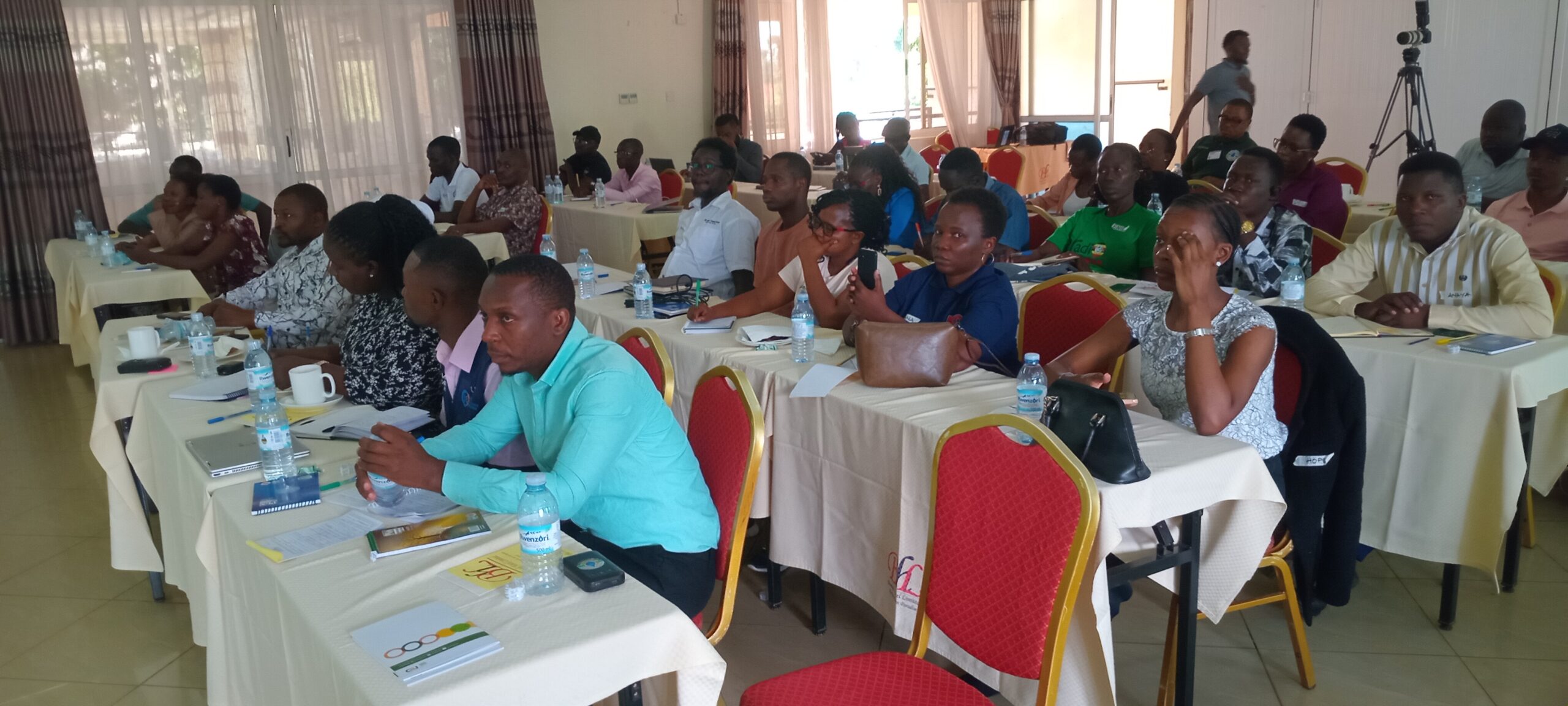
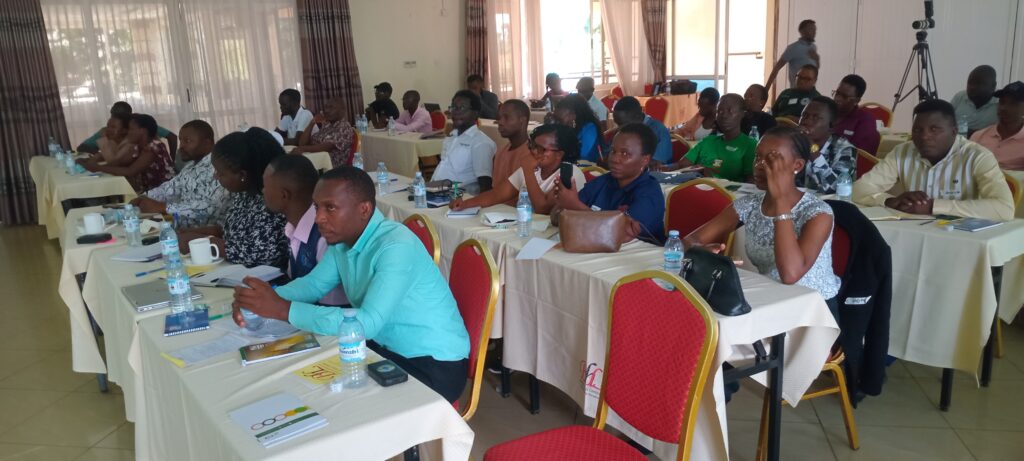
A total of 60 journalists from across Uganda have undergone training in climate-smart conservation farming, aimed at strengthening media coverage of climate-resilient agricultural practices.
The engagement, held at Bomah Hotel Limited in Gulu City on Wednesday, 18 February 2026, focused on equipping media practitioners with the knowledge and practical skills needed to report effectively on conservation agriculture and Pfumvudza, an approach designed to improve productivity under changing climate conditions.
Pfumvudza is a climate-smart conservation farming method that promotes high yields from small plots of land through careful land preparation, mulching, and proper management.
Participants were trained in key areas, including sustainable land management, soil conservation, water retention techniques, and the role of the media in promoting climate adaptation.
William Tom, trainer with Foundation for Farming, said the initiative seeks to strengthen the accurate dissemination of agricultural information to farmers, particularly those in rural communities heavily affected by climate change.
Foundation for farming is a faith-based organisation founded in Zimbabwe by a humble farmer called Brian Oldrieve.
He noted that journalists play a critical role in bridging the knowledge gap between agricultural experts and farming communities.
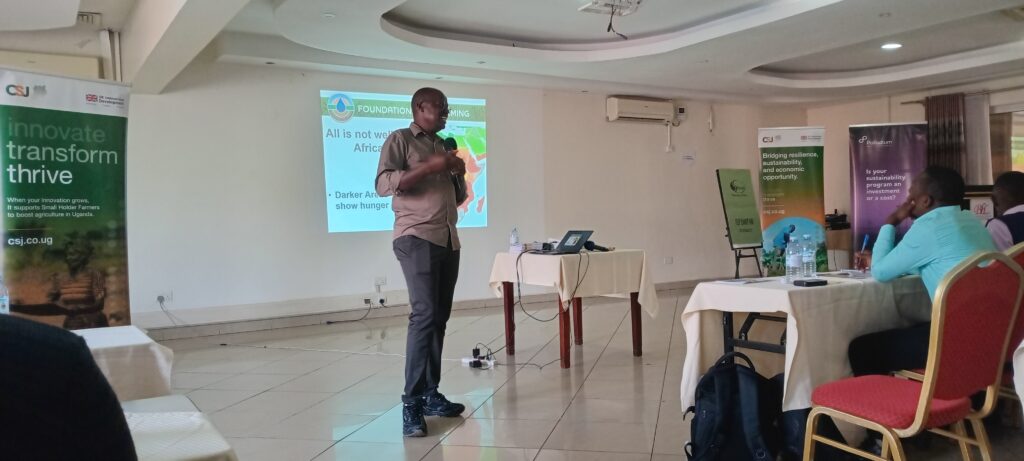
Tom, a conservation agriculture expert from Zimbabwe, emphasised the importance of communicating climate-smart farming practices in ways that farmers can easily understand and apply. He explained that conservation agriculture is based on four core principles: minimum soil disturbance, mulching, crop rotation, and high management standards.
He noted that the timely execution of all farming operations—from planting and fertilisation to manure application—is essential for achieving maximum productivity.
Maqhawe Mtembu, a trainer with the Foundation for Farming, urged farmers to value time and discipline, describing preparation as a critical factor in agricultural success. He cautioned against blaming delayed rainfall, emphasising instead the importance of preparing fields ahead of the planting season.
“The most important thing is for you to be on time with your preparation,” Mtembu stressed. “If you start preparing after the rains have already begun, you lose potential yield.”
He explained that each crop requires specific planting windows, adequate rainfall, sufficient daylight hours, and necessary heat units to grow optimally. According to him, farmers who plant within recommended periods, such as September or October, are more likely to achieve high yields, while late planting significantly reduces productivity.
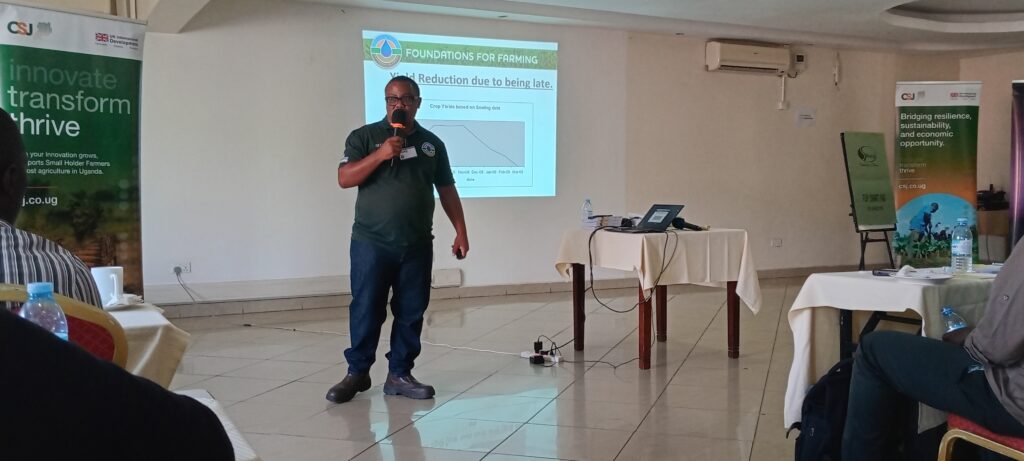
Mtembu further encouraged farmers to plan field activities early in the day and maintain high farming standards, including proper spacing, straight planting lines, timely weeding, and adequate mulching.
Meanwhile, Harriet Akulo, who works with Palladium and oversees the implementation of Pfumvudza in the West Nile, Acholi, and Lango sub-regions, said journalists play a vital role in scaling up climate-smart agriculture.
She explained that Pfumvudza promotes intensive production on small plots using minimum soil disturbance, mulching, and precise planting methods, making it particularly suitable for refugee-hosting districts where land is limited.
Akulo noted that the approach is helping refugee and host communities improve food security and become more self-reliant amid declining humanitarian support. She added that journalists can contribute significantly by publishing accurate and impactful stories that raise awareness about conservation farming.
The training comes at a time when Uganda is experiencing increasingly unpredictable rainfall patterns and prolonged dry spells, which continue to affect agricultural productivity and threaten household food security.