
 LUO FM
LUO FM
LUO FM
5 March 2026, 12:48 pm
By Okwong Geoffrey
The Ministry of Water and Environment has reaffirmed its commitment to promoting community-led climate resilience through the LIFE-AR initiative, a programme officials describe as adopting a “business unusual” approach.
Speaking during a community engagement, Winnie Namuyiga, the LIFE-AR focal person for Pader District, explained that, unlike traditional projects where decisions are made at the national level, the LIFE-AR initiative enables communities to take full responsibility for identifying and prioritising their own investments.
“This initiative does not come from the centre, where the Ministry decides what people need. It is the community that selects and prioritises its own investments,” she said.
Under the arrangement agreed with donors, 70 per cent of the funds are directed straight to the communities, while 30 per cent is allocated for operational and coordination costs. This model ensures that the largest share of funding directly benefits local populations.
Namuyiga noted that, prior to selecting the investments, extensive awareness meetings were held at parish and community levels. Special attention was given to inclusivity, bringing together elderly men and women, persons with disabilities, and other community members to ensure a common voice in decision-making.
“These investments are not for individuals. They are public goods that benefit the entire community,” she emphasised.
The selected projects must be climate-resilient, aimed at building climate-resilient people, economies, and ecosystems.
She further highlighted that capacity building is a core pillar of the initiative. District technical teams underwent a week-long training, followed by refresher sessions, to equip them with the skills necessary to guide communities effectively. Rather than the national team implementing projects directly, district officials are empowered to lead the process and communicate the objectives of LIFE-AR to local residents.
The initiative is anchored on key pillars, including participatory planning, risk assessment, and strengthening local systems to ensure long-term sustainability.
She added that, through this devolved approach, the Ministry aims to promote transparency, community ownership, and lasting climate resilience across participating districts.
The LC V Chairperson of Pader District, Fearless Obwoya Oyat, has expressed dissatisfaction over delays and changes in the implementation of the LIFE-AR climate resilience project under the Ministry of Water and Environment.
Speaking during an engagement meeting, the retired colonel stated that, although the initiative was well-intentioned, its slow rollout and repeated redesigns had frustrated district leaders.
“In summary, I am not happy with how projects are being implemented. We are talking about ‘business unusual,’ but three years down the line it has been planning, planning, and more planning. By the time implementation begins, the project period is almost over, and funds risk being returned,” he said.
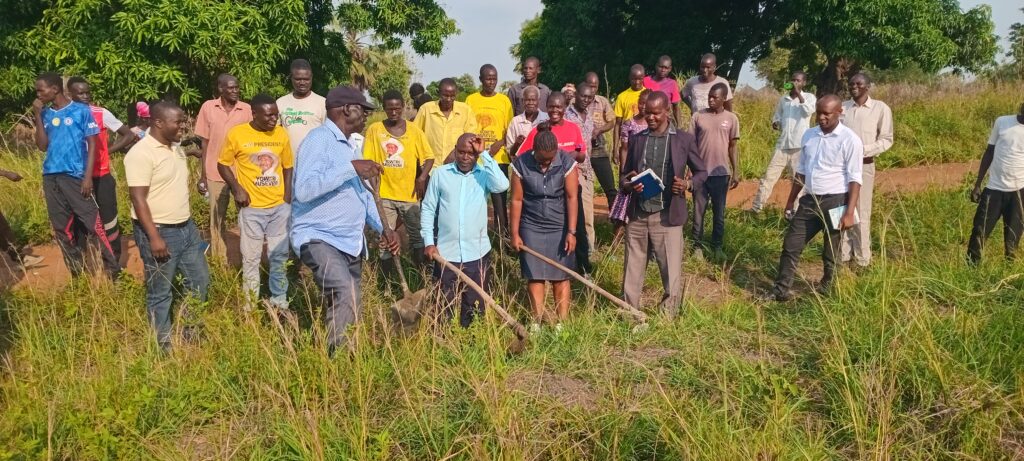
He recalled that district leaders had been involved in early discussions about the project in Nairobi and had expected implementation to begin within six months. However, two years on, he said, much of the work remained at the design stage.
Obwoya noted that the original project design had changed significantly along the way, raising concerns at the district level.
“The design of the project has completely changed from what we started with. As a district, we are not supposed to handle procurement directly, but we should provide guidance through our technical teams. Now we hear about procurement processes and structural changes happening without our knowledge,” he added.
He questioned why, despite being one of the 12 pilot districts, Pader had not yet commenced tangible implementation beyond planning activities.
According to the chairperson, delays could particularly affect technically demanding components, such as valley dam construction and other climate-resilient infrastructure, which require adequate time for proper execution.
“This is a donor-funded project, and when such projects are delayed, it reflects poorly. We would rather be late than never, but I wish the initial design had been maintained,” he stated.
He further revealed that similar frustrations may be affecting other pilot districts, urging the Ministry to address these concerns urgently to ensure the project achieves its intended objectives before the funding window closes.
Despite his concerns, Obwoya thanked Ministry officials for engaging with the district but emphasised the need for improved coordination, timely implementation, and clearer communication regarding any programme adjustments.
The LIFE-AR initiative aims to channel 70 per cent of its funding directly to communities for locally selected climate-resilient investments, while 30 per cent supports operational costs, under a devolved and participatory planning framework.
Jennifer Amony, a member of the Parish Climate Change Committee (PCCC) in Kilim Parish, Laguti Sub-county, said the community has been facing numerous challenges, particularly poor road infrastructure, which has prevented children from accessing schools and farmers from transporting their produce to markets.
She explained that persistent flooding in the parish has made roads impassable, especially during and after harvest seasons, isolating the community economically.
Amony noted that, under the LIFE-AR project guidelines, each parish was allowed to identify and prioritise its own key investment area. Kilim Parish chose road construction as its primary investment due to the recurring flooding that disrupts transport and livelihoods.
She expressed gratitude that the road construction initiative under LIFE-AR will ease movement, improve market access, and restore hope among residents.
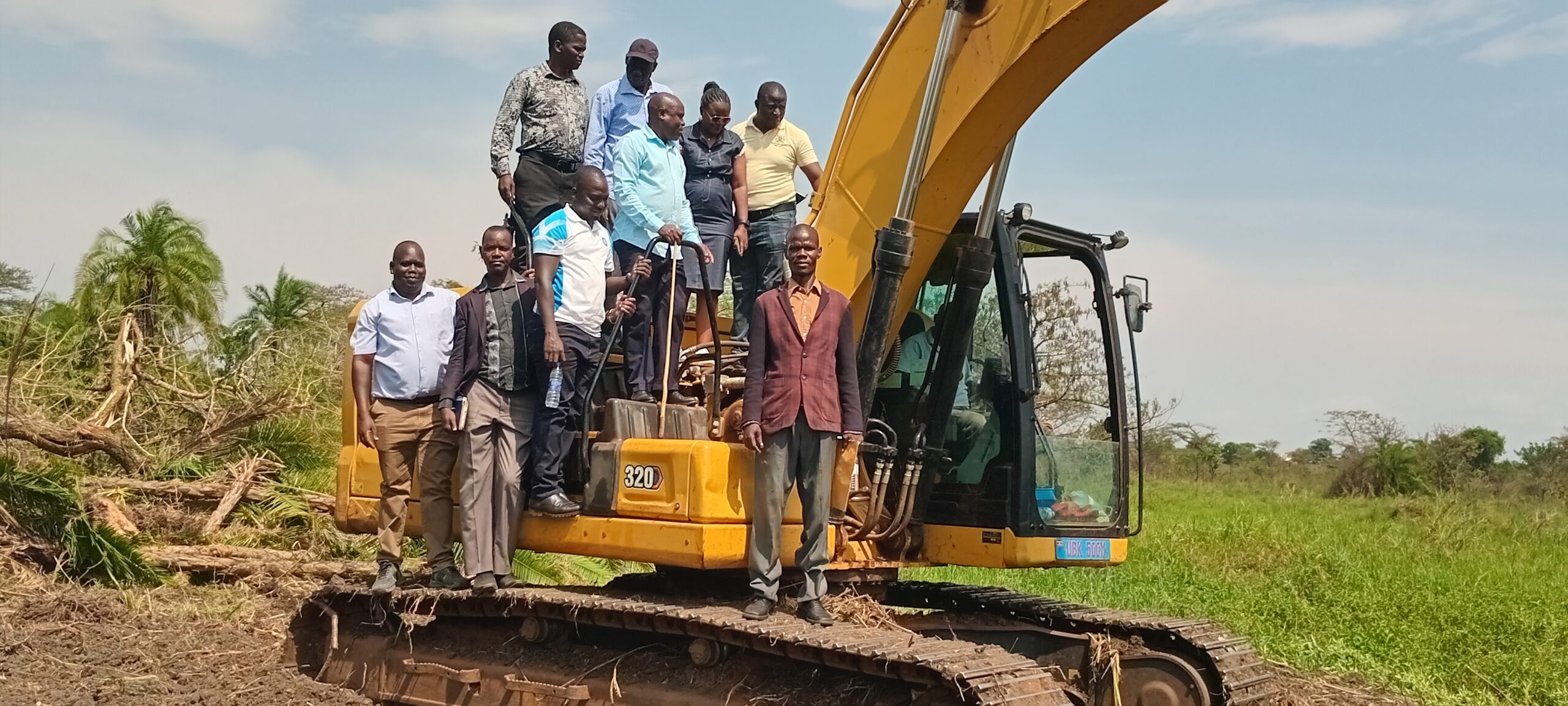
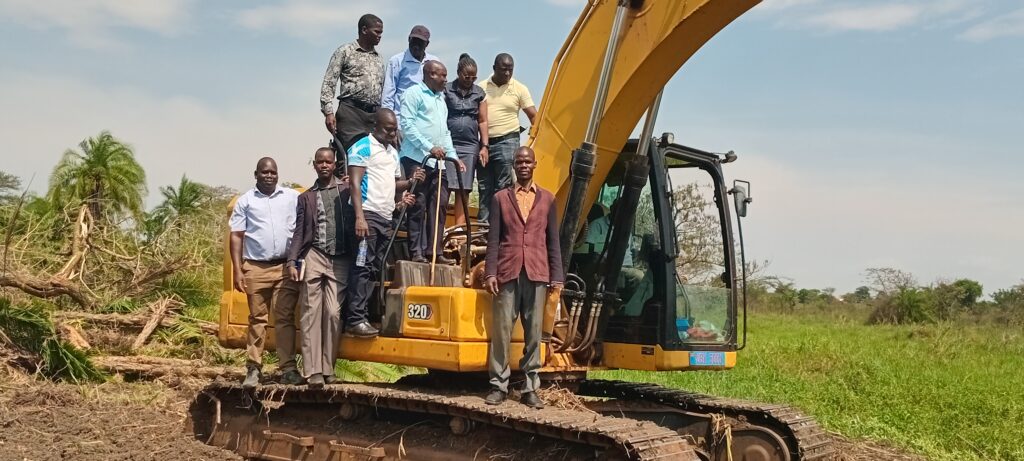
Meanwhile, in Awalmon Parish, Pajule Town Council, beneficiaries identified valley dam construction as a priority due to unpredictable weather patterns. Consequently, the parish prioritised the construction of a community dam to address changing climatic conditions and support agricultural production.
Charles Oryem, a beneficiary of the LIFE-AR project in Awalmon Parish, welcomed the dam construction, stating that it will transform livelihoods if properly implemented.
He noted that the availability of water from the dam will boost vegetable cultivation and promote fish farming, providing sustainable income opportunities for households in the area.
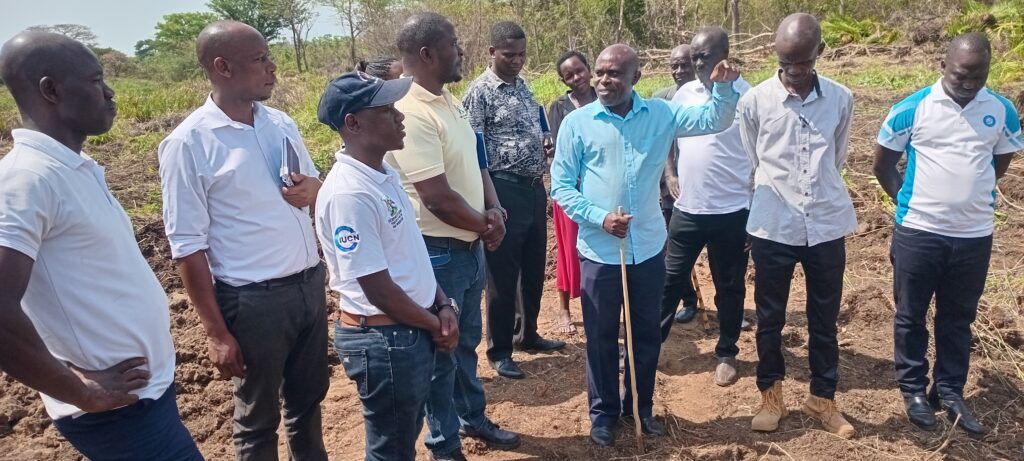
Community members said the differing priorities demonstrate the participatory approach of the LIFE-AR project, enabling parishes to select investments that directly address their most pressing climate-related challenges.