
 Radio Wa
Radio Wa
Radio Wa
24 April 2026, 8:46 am
By Agness Agilo
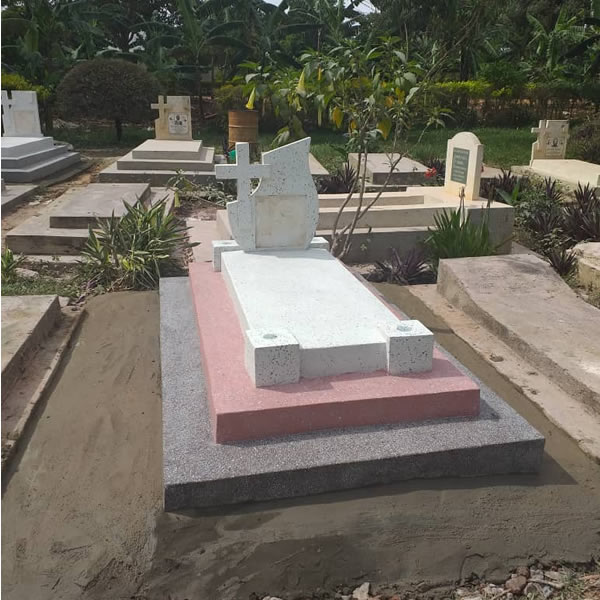
Environmental experts in the Lango sub-region have raised concern over the growing practice of cementing graves, warning that it is contributing to environmental degradation.
Leonard Otika, the Lira City Environment Officer, explained that traditional African burial practices were more environmentally friendly, often allowing natural decomposition and minimal disturbance to the soil. However, he noted a shift toward modern burial methods, including the use of concrete slabs, tiles, metallic caskets, and expensive hardwood coffins—practices that carry significant environmental consequences.
Otika highlighted that many modern burial materials are treated with chemicals, while the demand for timber contributes to deforestation. He added that cement production releases large amounts of carbon dioxide, increasing carbon emissions. The use of concrete on graves also prevents water infiltration, disrupts soil structure, and reduces biodiversity at burial sites. Over time, this can lead to long-term ecological damage, especially when cemeteries are decommissioned.
He advocated for “green burials,” where bodies are allowed to decompose naturally, encouraging the use of biodegradable materials and tree planting instead of cement and tiles. He noted that such practices are increasingly being adopted in parts of Europe, including cremation and eco-friendly burial alternatives.
Similarly, Walter Ocen, the Lira District Environment Officer, emphasized that while families may choose to cement graves for cultural or personal reasons, the environmental impact is significant. He explained that concrete seals off the soil, disrupts microorganisms, and interferes with natural processes such as humus formation. This ultimately weakens soil health and contributes to environmental degradation.
Ocen also pointed out that expanding cemetery with concrete reduces land available for other uses like agriculture. Additionally, cement production consumes large quantities of natural resources and emits pollutants such as sulfur dioxide and nitrogen oxides, further worsening air quality.
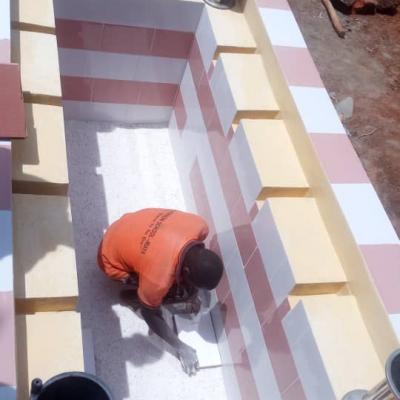
Despite these concerns, he noted that adopting low-emission concrete alternatives—such as those incorporating fly ash or slag—could help reduce environmental harm.
Experts are urging communities to reconsider burial practices, emphasizing that embracing sustainable alternatives like green burials could significantly reduce environmental damage.