
 Time FM
Time FM
Time FM
29 August 2026, 10:49 pm
By Humble Felix Mayatsa
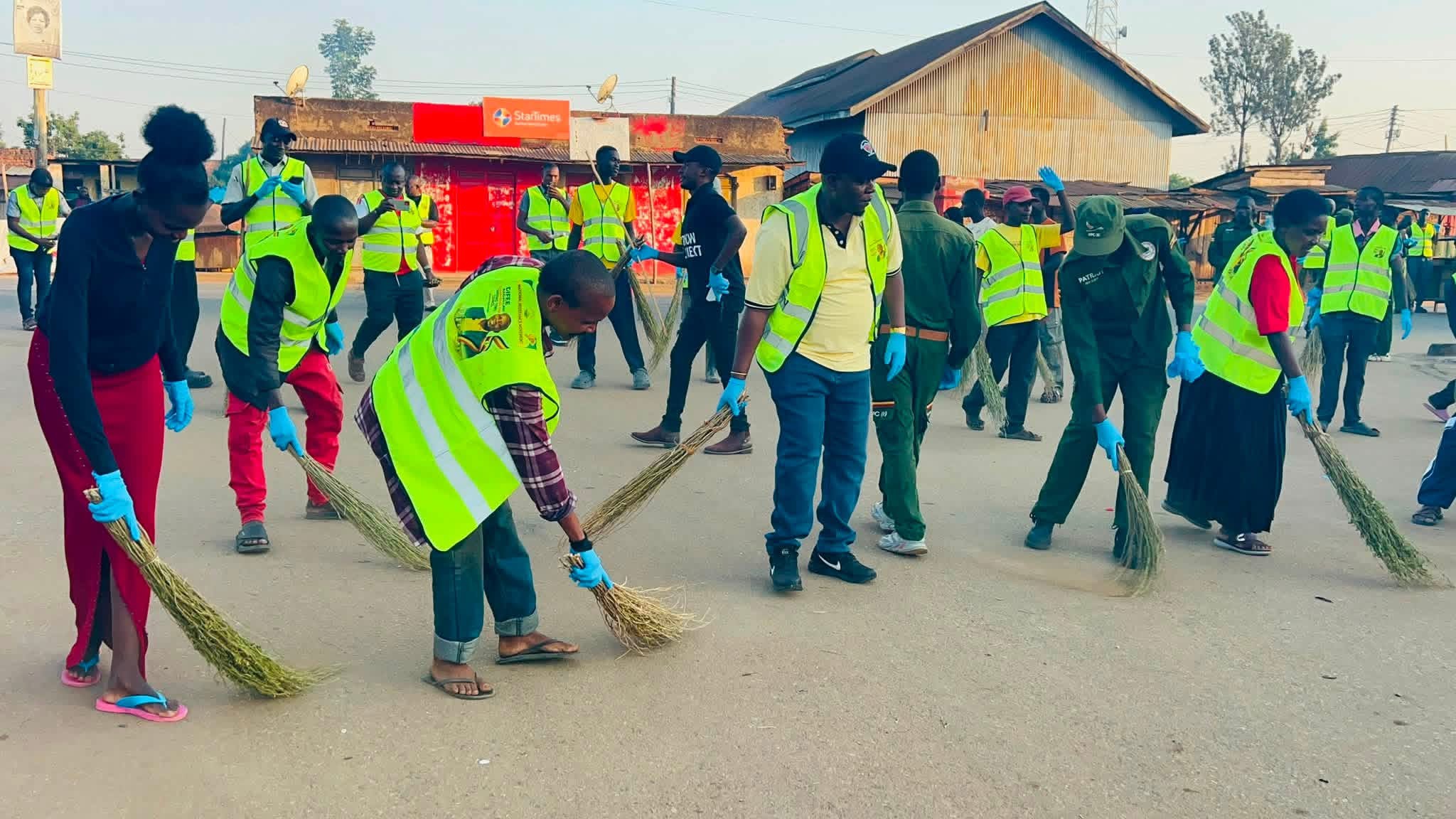
The National Cleaning Day in Uganda entered its second episode on Saturday, as communities across the country once again came together to clean their surroundings, clear drainage channels and address poor waste disposal.
The monthly initiative, launched in July 2026, was established by government as a nationwide campaign to improve sanitation, protect the environment and encourage citizens to take responsibility for the cleanliness of their communities. The last Saturday of every month has been designated as National Cleaning Day, with communities expected to dedicate three hours to cleaning public spaces, drainage channels, markets, roads and other areas.
In Sironko Town Council in Eastern Uganda, the exercise was led by National Resistance Movement district chairman Hajji Diffe Abudalla, who used the campaign to encourage residents to view environmental cleanliness not simply as a sanitation responsibility but also as part of protecting their communities from increasing environmental and climate-related risks.
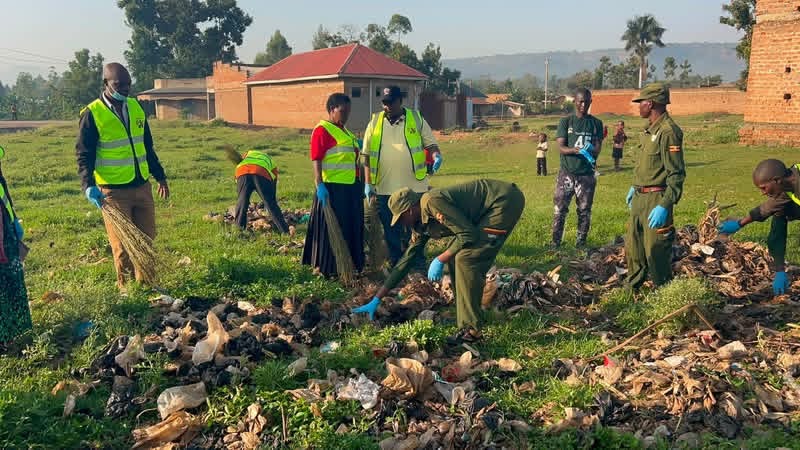
As residents swept streets, cleared drainage channels and removed accumulated waste, Hajji Abudalla warned that poor waste management can worsen the effects of heavy rainfall by blocking waterways and drainage systems.
“This cleaning is important for Sironko. It will help us educate ourselves about the effects of poor waste management on our land, but also remind us of the responsibility we hold in preserving and conserving our land,” he said.
Sironko and neighbouring districts in the Mount Elgon region are among the areas that regularly face the effects of heavy rainfall, floods, landslides and mudslides.
The wider Mount Elgon subregion is considered highly vulnerable to climate-induced disasters, including floods, landslides, mudslides, hailstorms and soil movement. In August 2025, intense and prolonged rainfall triggered flash floods and mudslides across parts of the region, causing rivers to burst their banks and affecting communities in Sironko, Bulambuli, Mbale, Bududa, Manafwa and Namisindwa. More than 5,883 households and 17,434 people were reported to have been affected or displaced, while more than 770 acres of agricultural land were damaged.
Similar devastation has occurred during previous episodes of extreme rainfall. In August 2022, torrential rains in Eastern Uganda affected Mbale, Sironko, Bulambuli and neighbouring districts, with 23 deaths and 4,057 households affected reported during the initial response.
Climate change does not mean that every individual heavy rainfall event is directly caused by global warming. However, Uganda is already experiencing increasing climate variability, including unreliable rainfall, droughts and periodic floods. Climate projections indicate that temperatures across Uganda will continue to rise, while rainfall patterns are expected to become increasingly variable. One World Bank climate assessment projects warming of around 1.8°C by 2050 under one emissions scenario and notes the country’s vulnerability to unreliable rainfall, droughts and floods.
For communities such as Sironko, the danger becomes greater when natural drainage systems are already under pressure from poorly managed waste.
Plastic bottles, polythene bags, food waste and other discarded materials can accumulate in drainage channels, streams and wetlands. When heavy rain falls, this waste can obstruct the movement of water, causing it to back up and overflow into roads, homes, farms and businesses.
Uganda’s National Environment Management Authority has repeatedly identified poor waste management as a major environmental challenge. The country’s 2024 State of the Environment Report estimates that waste generation in Kampala alone increased from about 1,509 tonnes per day in 2020 to 1,774 tonnes per day in 2024, with further increases projected. The report also highlights the growing challenge of unsorted waste, particularly polythene and other plastics, and notes that some urban areas continue to rely on open dumping.
Although these figures are from Kampala and should not be directly applied to Sironko, they illustrate the scale of Uganda’s wider waste-management challenge.
The relationship between waste and flooding has also been documented in Uganda. Previous World Bank assessments found that uncollected solid waste can be carried by runoff into drainage channels and wetlands, where it contributes to blockages and flooding.
The problem is particularly serious in mountainous communities such as those around Mount Elgon, where steep slopes and intense rainfall can rapidly move water downhill. If drainage channels are blocked by waste, water has fewer pathways through which to flow safely.
This means that while poor waste disposal does not create heavy rainfall, it can magnify the damage caused when heavy rainfall occurs.
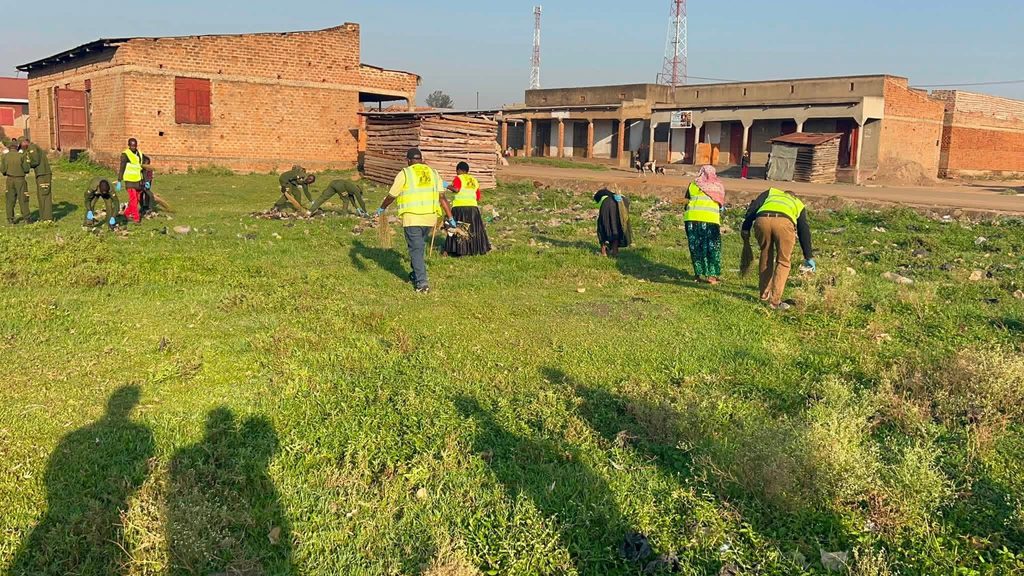
The climate connection goes beyond blocked drainage.
When organic waste such as food remains and other biodegradable materials are dumped in places without proper management, they can decompose under conditions that produce methane, a powerful greenhouse gas. Open dumping can also generate air pollution and, when waste is burned, release greenhouse gases and other pollutants.
The United Nations Environment Programme identifies open dumping as a contributor to the interconnected crises of climate change, biodiversity loss and pollution. It notes that closing poorly managed dumpsites and improving waste collection, recycling and environmentally sound disposal can reduce greenhouse-gas emissions and air pollution.
Uganda also records methane emissions from the waste sector, according to the World Bank’s greenhouse-gas emissions database, which draws on data from the European Commission’s Emissions Database for Global Atmospheric Research.
This creates a cycle: climate change increases the risks of extreme weather, while poor waste management contributes to greenhouse-gas emissions and can make the consequences of heavy rainfall more severe.
For Sironko residents, therefore, activities such as clearing drainage channels and protecting waterways are more than routine cleaning.
They can form part of local climate adaptation.
During the cleaning exercise, Hajji Abudalla encouraged residents to use the opportunity not only to collect waste but also to plant trees, open up blocked waterways and protect drainage systems from further obstruction.
Such interventions are particularly relevant in the Mount Elgon region, where soil erosion, landslides and flooding can rapidly destroy agricultural land and infrastructure.
Tree planting can also provide longer-term environmental benefits by protecting soils, improving water infiltration and reducing runoff when properly planned. At the same time, communities need to protect wetlands, riverbanks and natural drainage corridors rather than using them as dumping grounds.
Uganda’s waste-management regulations already place responsibilities on waste generators, waste handlers and local governments to ensure that waste is managed in ways that prevent harm to human health and the environment. The regulations also require local governments to establish systems for the collection, transportation and disposal of municipal waste.
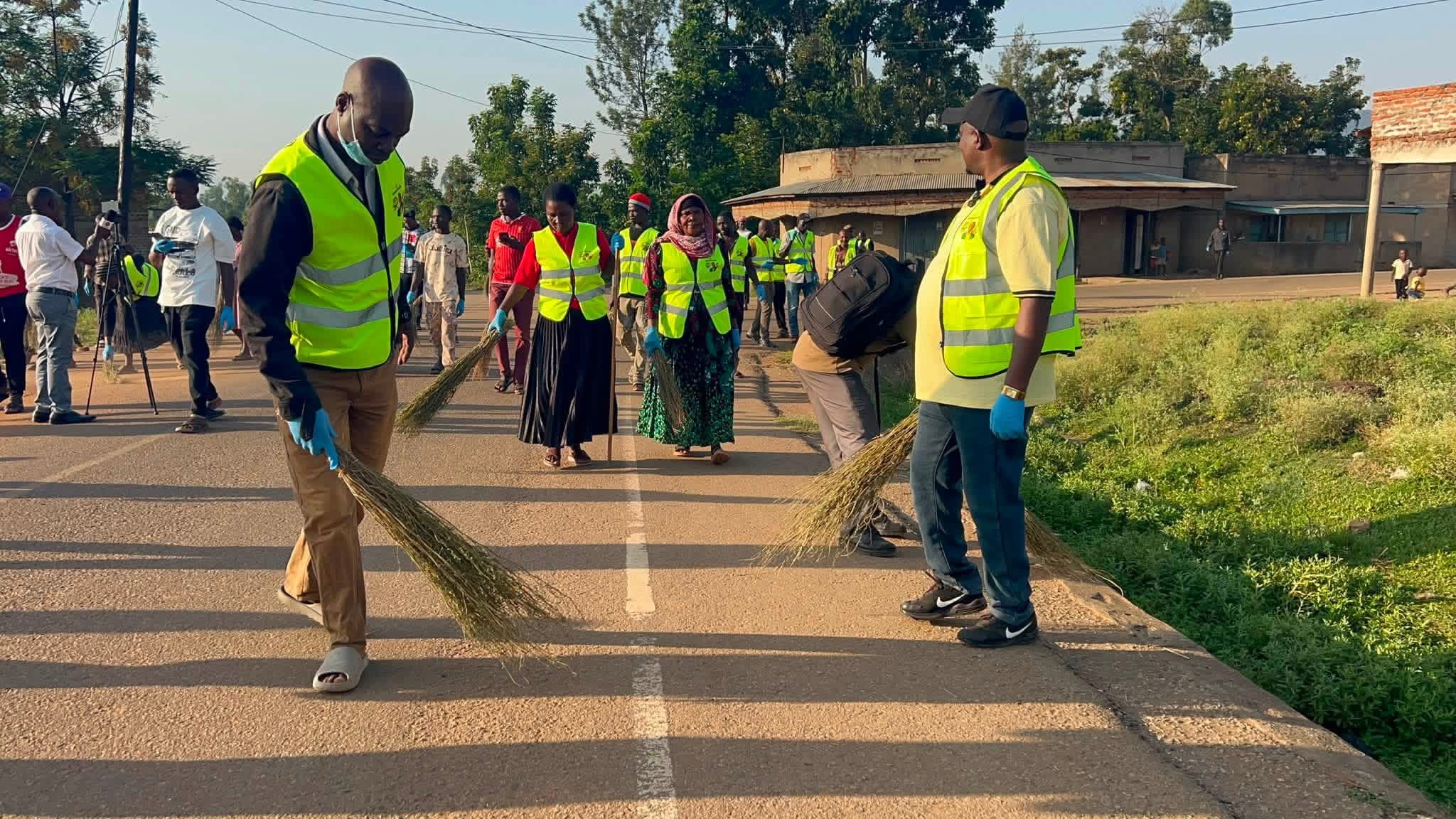
The challenge, however, goes beyond the three hours dedicated to National Cleaning Day.
Uganda’s government says the programme is intended to build a lasting culture of environmental responsibility rather than become a monthly event that temporarily removes waste before communities return to the same disposal practices.
The Ministry of Health estimates that about 75 percent of Uganda’s disease burden is preventable, with diseases such as diarrhoea and typhoid closely associated with poor sanitation and environmental conditions. Government has therefore linked the cleaning campaign not only to environmental conservation but also to public health.
For communities in Sironko, the stakes are even broader. A blocked drainage channel can become a flood pathway during a storm; exposed soil can be washed away from farms; polluted water can threaten household water sources; and accumulated waste can create breeding grounds for disease vectors.
The region’s experience with floods and landslides demonstrates that communities cannot prevent every extreme weather event. But they can reduce some of the damage by protecting natural waterways, maintaining drainage infrastructure, managing waste properly, conserving vegetation and preparing for heavy rainfall.
As the second National Cleaning Day brings residents into the streets, the challenge for Sironko is to ensure that the exercise becomes more than a monthly clean-up.
It is an opportunity to change how communities think about waste from something to be thrown away wherever convenient to a material that must be collected, reduced, reused, recycled or safely disposed of.
For a region already exposed to floods, landslides and increasingly unpredictable weather, keeping waterways free of waste is not simply about having a cleaner town.
It could also mean reducing the environmental and human cost of the next heavy downpour.