
 Time FM
Time FM
Time FM
25 September 2026, 11:58 am
By Shadrach Bethel Afayo
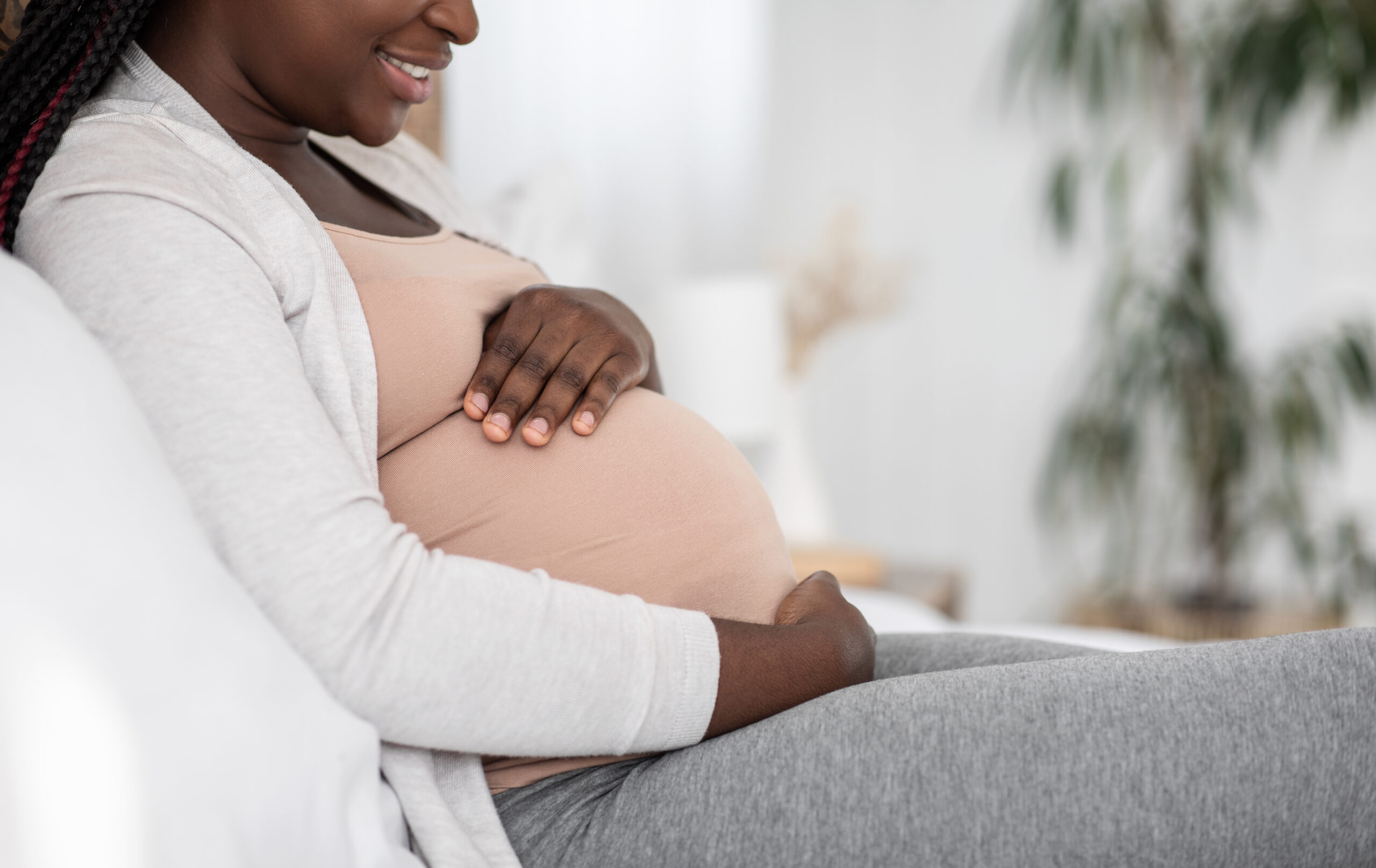
For one pregnant woman in Mbale, the changing weather is no longer something she simply notices. It has become part of the experience of pregnancy.
On particularly hot days, she says, routine activities that once felt manageable can leave her exhausted. Walking, working and spending time outdoors have become more difficult, while nights can be uncomfortable when the heat lingers indoors.
She spoke on condition of anonymity because of the sensitivity of discussing her pregnancy publicly.
“When the weather is very hot, I feel more tired than usual. Sometimes I have to stop what I am doing and rest because I feel weak, and even at night it can be difficult to sleep because of the heat.”
“You are told to rest when it is hot, but you still have to work, fetch water and take care of the family. You cannot just stay inside the whole day.”
“What worries me is whether all this heat and exhaustion can affect the baby, because sometimes I feel like my body is struggling.”
Her experience reflects a growing concern about how changing weather conditions could be adding another layer of pressure to pregnancy in eastern Uganda, where women already contend with demanding work, long distances to health facilities, limited access to water and changing livelihoods.
Uganda’s September–December 2026 seasonal climate outlook has indicated the possibility of near-normal to above-normal rainfall alongside warmer-than-average temperatures in parts of the country, including eastern Uganda. The combination of higher temperatures and unpredictable rainfall presents different challenges for communities in and around Mbale.
For pregnant women, health workers say, the effects can be particularly noticeable.
At Mbale Modern Clinic, a private health facility in Mbale, Dr. Nafuna Elizabeth Gonza says they are increasingly seeing pregnant women report problems that become more difficult to manage during periods of intense heat.
“During periods of intense heat, we receive pregnant women complaining of headaches, dizziness, excessive tiredness and general weakness. Some tell us they have spent several hours working or moving around in the heat before coming to the facility.”
“Pregnancy already puts additional demands on the body. When you add heat, dehydration and strenuous activity, the woman can become much more exhausted, and that is something we have to take seriously.”
The health worker says the concern is not necessarily that every symptom experienced during pregnancy is caused by climate change. Rather, hot conditions can add physical stress to a body that is already undergoing major physiological changes.
During pregnancy, the cardiovascular system works harder to support both the mother and developing baby. The body also has to regulate temperature while blood volume and metabolic demands increase. When temperatures rise, the body relies on mechanisms such as sweating and increased blood flow to the skin to release heat.
For a pregnant woman who is working outdoors, walking long distances, carrying water or spending hours in a poorly ventilated room, that additional heat burden can become significant.
Dr. Zziwa Paul, second health worker at People’s Clinic, another private facility in Mbale describes a similar pattern.
“The challenge is that we cannot simply tell every pregnant woman to avoid the heat. Many of them are working, walking long distances, looking for water or taking care of children. Their circumstances make it difficult to follow that advice.”
“When heavy rains come after these hot periods, another problem is transport. Some women struggle to reach the facility because of poor roads, flooding or the cost of transport.”
The observations from the two facilities are important, but they should not automatically be interpreted as proof that climate change is directly causing specific pregnancy complications in Mbale. Health workers may observe changes in symptoms and patient experiences without having the data to establish causation.
What is clear from research, however, is that weather and climate conditions can affect pregnancy through several pathways.
Research conducted among mothers in rural Uganda found that women linked changing weather, including extended dry periods and unpredictable seasons, to declining food security during pregnancy. The study found that food insecurity and maternal health problems could reinforce each other, with implications for maternal and infant health.
Another Uganda-based study examining mothers’ experiences of seasonality found that women described work conditions during dry seasons as more difficult because of heat. Researchers also identified physical exertion, nutrition and seasonal illness as pathways through which weather could affect pregnancy and birth outcomes.
For women in Mbale whose livelihoods depend on agriculture, markets or other outdoor activities, the implications extend beyond simply feeling hot.
A woman who must continue working to support her household may have little opportunity to avoid the hottest part of the day. Another may have to walk to an antenatal appointment or spend hours collecting water. Others may live in houses with iron-sheet roofs and limited ventilation, where temperatures remain high even after sunset.
“When the weather is very hot, I feel more tired than usual but these are things that are out of my control because at the end of the day we need to eat and live”
This is where climate change becomes a maternal-health issue rather than simply an environmental story.
Extreme heat can contribute to dehydration, fatigue, dizziness and heat-related illness. For pregnant women, these effects may be compounded by pregnancy-related nausea, increased physical demands and limited access to cooling.
The risks can also extend beyond immediate discomfort.
A growing body of international evidence has associated heat exposure during pregnancy with adverse maternal and birth outcomes, including preterm birth and stillbirth. A 2025 systematic review found consistent associations between climate-related exposures and adverse outcomes such as preterm birth, stillbirth, low birth weight and hypertensive disorders of pregnancy.
Uganda-specific evidence also shows that meteorological conditions can be associated with pregnancy and birth outcomes. Research using birth records from rural southwestern Uganda found associations between temperature and rainfall during pregnancy and birth weight, although the magnitude of these relationships varied across groups and seasons.
That evidence does not mean that a hot day will automatically cause pregnancy complications. Instead, it points to a broader concern: repeated exposure to heat and other climate-related stresses may add to the vulnerabilities already faced by pregnant women.
The problem becomes more complicated when extreme heat is followed by heavy rainfall.
In Mbale and surrounding areas, intense rainfall can affect roads and transport, making it harder for pregnant women to reach health facilities. Flooding and landslides can disrupt movement, while contaminated water can increase the risk of waterborne illnesses. Changes in rainfall and temperature can also affect mosquito breeding and malaria transmission.
Food security is another concern.
When prolonged dry conditions affect agricultural production, households may have less food or face higher prices. Heavy rains can later damage crops or disrupt harvesting. For a pregnant woman who is already anaemic or undernourished, additional nutritional stress may make it harder for her body to cope with heat and illness.
Researchers studying pregnancy and climate in Uganda have similarly documented how changing seasons and weather patterns can affect food security, which in turn has consequences for maternal and infant health.
For the pregnant woman in Mbale, climate change is not an abstract discussion about global temperatures. It is experienced through a hot afternoon that leaves her exhausted, a restless night under an iron-sheet roof, a difficult journey to a health facility or uncertainty about whether changing weather will affect her ability to work and provide for her family.
Her experience is not proof that every health problem she faces is caused by climate change. But it is a reminder that pregnancy does not happen separately from the environment in which a woman lives.
As Mbale experiences changing temperatures and increasingly unpredictable weather patterns, maternal health may need to become part of the climate conversation.
For pregnant women, adapting to a changing climate may require more than telling them to drink more water or stay in the shade.
It may require health facilities that are prepared for extreme heat, reliable transport during heavy rains, access to safe water, better housing and ventilation, stronger antenatal counselling and climate information that reaches communities in time.