
 Time FM
Time FM
Time FM
28 September 2026, 9:22 pm
By Humble Felix Mayatsa
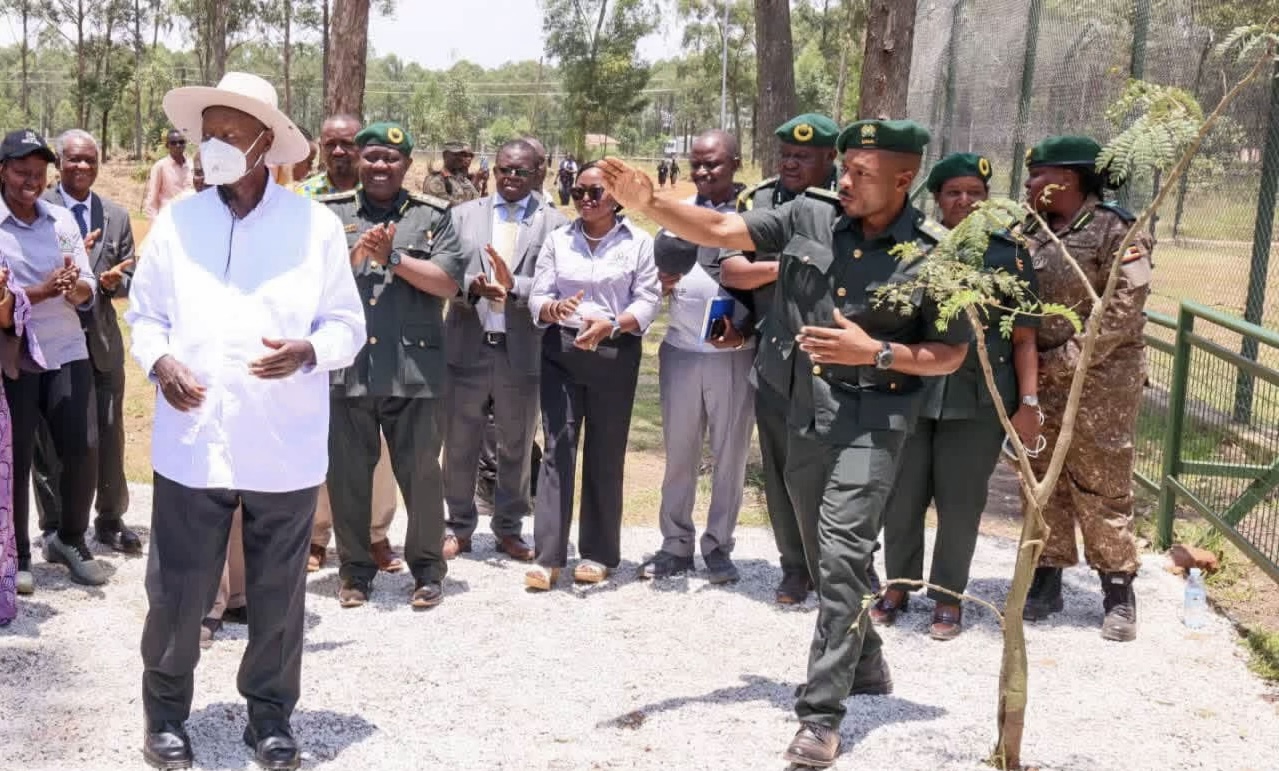
When President Yoweri Kaguta Museveni arrived in Mbale to preside over Uganda’s 2026 World Tourism Day celebrations, the event was presented as a celebration of Eastern Uganda’s beauty, culture and economic potential.
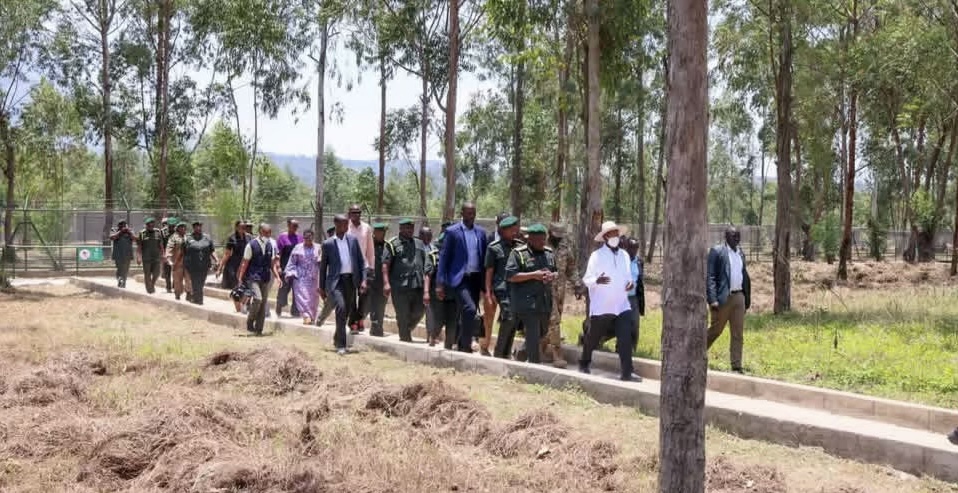
The President toured and commissioned the Mbale Wildlife Conservation Education Centre, commonly known as Mbale Zoo, and used the occasion to emphasise the importance of wildlife conservation, forest protection and wetland preservation.
But beneath the celebration was a larger question: how long can tourism thrive if the natural systems that support it continue to weaken?
Mbale and the wider Mount Elgon region depend on landscapes that are both economically productive and environmentally fragile. The mountain, forests, rivers, wetlands, farms and wildlife habitats attract visitors, support agriculture, regulate water and sustain thousands of households. When these ecosystems are damaged by deforestation, wetland encroachment, soil erosion and the effects of a changing climate, the consequences extend far beyond the environment. They affect farmers, transport operators, hotel workers, tour guides, traders, craft makers and entire communities whose income depends on visitors and natural resources.
During the celebrations, President Museveni warned that the destruction of forests, wetlands and wildlife habitats threatens Uganda’s tourism industry because these ecosystems form the foundation of many of the country’s attractions. He also pointed to changes in weather and temperature as evidence that stronger environmental protection is needed, particularly in the Elgon region.newvision.
His message placed conservation at the centre of tourism development. The argument is straightforward: Uganda cannot market itself as the Pearl of Africa while allowing the forests, wetlands, rivers and wildlife that give the country its identity to disappear.
Eastern Uganda has long been recognised for its scenic and ecological diversity. Mount Elgon offers forests, waterfalls, caves, mountain trails and cultural heritage. The region’s agricultural landscapes, rivers and community traditions add to its tourism appeal. For visitors, the experience may be a weekend hike, a cultural tour, a visit to a wildlife education centre or an excursion through the mountain ecosystem.
For local communities, however, the same landscape is also a source of food, water, fuel, building materials and income. The forest is not only a tourist attraction; it is part of the region’s natural infrastructure. Wetlands are not simply open land waiting to be cultivated; they store water, reduce flooding and support agriculture and biodiversity.
This dependence creates a difficult balance. Communities facing poverty and limited access to land may clear forests, cultivate fragile slopes or settle in wetlands because they need immediate income and food. Yet the short-term benefit can produce long-term environmental damage. The removal of vegetation leaves soil exposed, weakens slopes and increases the speed at which rainwater flows into rivers and low-lying settlements.
Research on the Mount Elgon ecosystem has linked deforestation, wetland reclamation, blocked drainage channels and unsustainable cultivation with flooding, soil erosion, landslides and drought. These pressures are intensified by climate change.
In this context, conservation cannot be treated as a matter of protecting scenery for tourists alone. It is also about protecting the systems that allow people to live, farm, travel and earn an income.
Climate change is changing the conditions under which tourism operates. Warmer temperatures can make outdoor activities more difficult, particularly for visitors hiking or travelling long distances. Irregular rainfall can disrupt travel schedules, damage roads and make trails unsafe. Heavy rain can cause landslides and flooding, while prolonged dry conditions can reduce water availability and affect landscapes that visitors expect to find green and healthy.
The Mount Elgon region is especially vulnerable because of its steep terrain and dependence on mountain ecosystems. Climate-related hazards identified in the area include floods, droughts, landslides, rising temperatures, declining agricultural productivity, biodiversity loss and human-wildlife conflict.
For tourism businesses, these changes can create direct financial losses. A lodge may lose bookings when roads become impassable. A tour operator may cancel a mountain trek after heavy rainfall. A local guide may lose income when visitors stay away because of safety concerns. A restaurant, craft seller or transport provider may also lose customers because tourism operates through a chain of connected businesses.
The effects can be gradual rather than dramatic. A river may carry more silt each year. A waterfall may become less reliable during dry months. A forest trail may deteriorate. Bird and animal habitats may shrink. A wetland may become polluted or converted into farmland. Each change may appear small, but together they reduce the quality of the tourism experience and weaken the ecological foundation of the regional economy.
Uganda’s National State of the Environment reporting has warned that declining wildlife populations can reduce tourist visits and tourism revenue. This demonstrates why the protection of biodiversity is also an economic issue. When wildlife disappears, the loss is not limited to scientists or conservationists. It affects guides, accommodation providers, communities receiving tourism revenue and government income from the sector.
President Museveni described tourism as a lucrative service industry capable of supporting households with limited land for commercial agriculture. He urged communities to position themselves to benefit from the sector’s wider economic multiplier effect.
That multiplier effect is visible in the everyday economy around a tourism destination. A visitor may pay for accommodation, but the money can also reach a driver, a guide, a food supplier, a farmer, a tailor, a musician, a craft maker or a small shop. Tourism creates demand for transport, communication, entertainment, food and cultural experiences.
This is particularly important in a region where many families depend on small-scale agriculture and where land pressure is increasing. Tourism can provide an alternative source of income without requiring every household to expand cultivation into forests, riverbanks or wetlands.
However, tourism can only serve that role if it is environmentally sustainable and if local communities benefit fairly. If residents see conservation only as a restriction imposed by authorities, they may continue to rely on protected areas for fuel, farming or building materials. If they see a clear connection between conservation and income, they are more likely to protect forests, participate in restoration and support responsible tourism.
The success of the Mbale Wildlife Conservation Education Centre will therefore depend not only on the animals and educational activities within the facility. It will also depend on whether it helps create a broader culture of conservation and whether surrounding communities can see practical benefits from the protection of nature.
President Museveni praised the establishment of the centre as an opportunity for children to learn about wildlife. He said the facility would help awaken public appreciation of conservation and provide another attraction for residents and visitors.
That educational role matters because conservation is ultimately a social project. Laws and enforcement are necessary, but long-term protection also requires people to understand how forests, wetlands and wildlife contribute to their lives.
Tree planting campaigns launched ahead of the World Tourism Day celebrations, under the leadership of the Minister of State for Tourism, Hon. Suzan Nakawuki Nsambu, offered a visible response to the environmental concerns raised during the event.
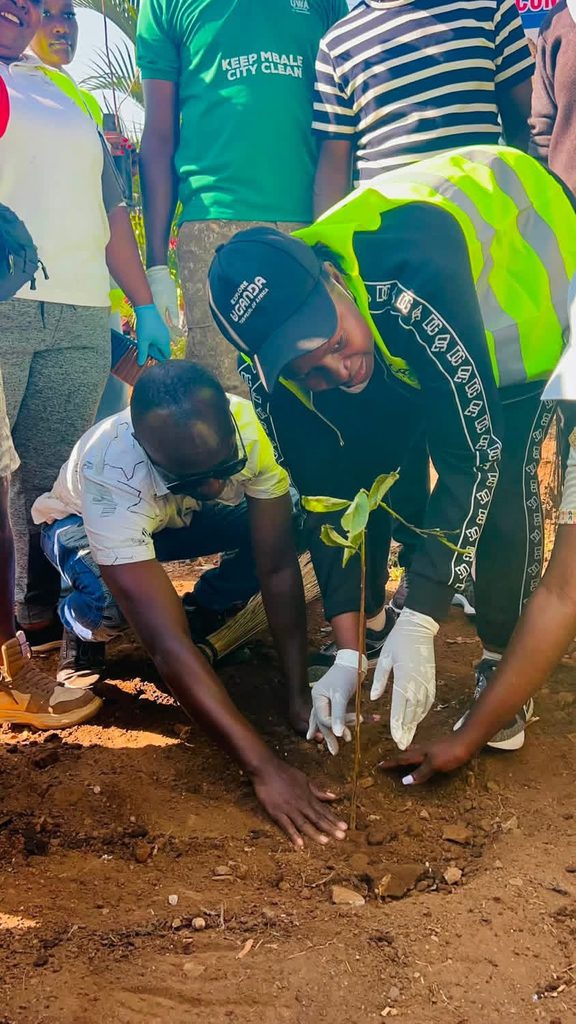
Tree planting is often presented as a simple climate solution, but its value depends on how it is carried out. Planting the right trees in the right places can stabilise soil, protect riverbanks, improve water retention, provide shade, restore habitats and absorb carbon dioxide. Trees can also support households through agroforestry, fruit production, beekeeping and sustainable supplies of wood.
In the Mount Elgon landscape, restoring vegetation on degraded slopes can help reduce soil erosion and lower the risk of landslides. Planting along rivers can protect water quality and reduce the amount of sediment entering streams. Agroforestry can allow farmers to grow crops alongside trees rather than choosing between agriculture and conservation.
Environmental adaptation programmes in Uganda have identified tree planting, riverbank protection, agroforestry, grass bunds, water conservation, contour farming and early-warning systems as measures that can reduce climate-related risks in mountain ecosystems.
The challenge is to ensure that tree-planting initiatives move beyond ceremonial planting days. Seedlings must survive, communities must be involved and planted areas must be protected from fire, grazing, charcoal production and later clearance. The most successful campaigns are likely to be those that combine environmental restoration with household benefits.
The Mount Elgon Transboundary Biosphere Reserve initiative recommends reforestation, agroforestry, sustainable tourism, community participation and alternative livelihoods as interconnected solutions. It argues that communities should be trained in activities such as agroforestry, handicrafts and sustainable tourism so that conservation does not remove income without providing alternatives.
For Mbale, this means tree planting should be connected to tourism planning. Restored forests can become part of guided trails, birdwatching routes, cultural experiences and educational programmes. Communities that grow indigenous trees can become partners in landscape restoration. Hotels and tourism operators can support nurseries, reduce plastic waste, conserve water and fund local conservation projects.
Wetlands were another major focus of the President’s message. Museveni called for the protection of wetlands in Bugisu and Busoga and argued that environmental destruction undermines the tourism sector. He also proposed fish farming as an alternative livelihood for people living in wetlands.
Wetlands are important to tourism because they sustain the wider landscape. They filter water, reduce the force of floods, support birds and other wildlife and help maintain rivers and springs. When they are drained or filled, the effects can include flooding, poor water quality and the loss of habitats that attract visitors.
Wetlands also support livelihoods directly. People may depend on them for fishing, farming, papyrus, livestock or small businesses. Any policy to remove settlements or restrict cultivation must therefore be accompanied by fair consultation, compensation where appropriate and realistic alternatives. Conservation imposed without livelihood planning can produce resistance and deepen hardship.
Fish farming, improved agricultural practices and community tourism may provide alternatives, but they require training, financing, land-use planning and reliable markets. A household cannot be expected to abandon a wetland activity without knowing how the proposed alternative will provide food and income.
The best conservation strategy is one that recognises local residents as partners rather than treating them only as threats to the environment. Communities possess knowledge of water sources, seasons, wildlife and local landscapes. Their participation can improve the design and enforcement of restoration programmes.
Promoting tourism in a changing climate requires more than advertising destinations. It requires investment in roads, drainage, early-warning systems, safe trails, resilient buildings and emergency planning.
Tourism businesses in Mbale and the Elgon region can adapt by diversifying activities across seasons. If heavy rain makes mountain hiking unsafe, visitors can be offered cultural tours, wildlife education, craft experiences, food tourism, birdwatching in safer areas and digital or educational programmes. This can reduce the economic shock caused by extreme weather.
Accommodation providers can improve water storage, rainwater harvesting, drainage, ventilation and waste management. Tour operators can monitor weather warnings and establish clear safety procedures. Guides can receive training in first aid, climate hazards and responsible visitor management. Local authorities can improve road maintenance and ensure that tourism sites have emergency communication systems.
The President also emphasised digital innovation and artificial intelligence as tools for redesigning tourism. He said modern tourists want to discover destinations online, compare experiences, communicate with operators, make bookings, navigate easily and share their experiences instantly.
That digital agenda can also support climate resilience. Digital platforms can provide updated information about trail conditions, weather risks, accommodation, conservation rules and community activities. Tourism operators can use online systems to redirect visitors to safe destinations during extreme weather. Conservation agencies can use data to monitor visitor numbers, wildlife movements, forest loss and pressure on fragile sites.
Technology, however, should complement rather than replace investment in local communities and environmental protection. A destination cannot be made sustainable through digital marketing if its roads are collapsing, its rivers are polluted or its forests are disappearing.
Mbale’s tourism opportunity lies in linking conservation with local economic development. Visitors are increasingly interested in experiences that are authentic, educational and environmentally responsible. This creates space for communities to earn from guiding, cultural performances, food, accommodation, handicrafts, transport, tree nurseries and conservation activities.
Revenue-sharing mechanisms can help communities see tangible benefits from protected landscapes. Mount Elgon’s tourism potential has been linked to poverty reduction and community revenue sharing, particularly where local residents participate in restoration and tourism services.
Such arrangements must be transparent and inclusive. Women, young people, Indigenous communities, farmers and small businesses should have opportunities to participate. Training should be available beyond the largest hotels and established companies. If tourism benefits are concentrated among a few businesses, local support for conservation may weaken.
The sector should also measure success more broadly than visitor numbers. A healthy tourism industry should be assessed through employment, household income, community participation, biodiversity protection, water security and the condition of forests and wetlands. A destination that attracts many visitors while destroying its natural assets is not truly successful.
The World Tourism Day celebrations in Mbale placed the Eastern Region at the centre of Uganda’s tourism conversation. The opening of the Mbale Wildlife Conservation Education Centre, the unveiling of a Tourism Conservation Strategy for the Elgon sub-region and the emphasis on forests and wetlands all pointed to a common conclusion: tourism and environmental protection cannot be separated.
President Museveni’s warning that environmental destruction threatens tourism was therefore more than a conservation slogan. It was an economic warning. If forests disappear, slopes become unstable, wetlands are degraded and wildlife habitats are lost, the consequences will be felt by communities whose livelihoods depend on agriculture, water, transport and tourism.
The tree-planting initiatives launched before the celebrations provide an opportunity to turn that warning into long-term action. Their success will depend on whether they are sustained, locally owned and connected to livelihoods. Restoration must involve communities, protect indigenous biodiversity, strengthen farms and support tourism businesses rather than existing as a one-day public event.
Mbale’s future as a tourism destination will be shaped by the decisions made about land, water, forests and wildlife. The region can continue to present itself as part of the Pearl of Africa, but that identity will depend on protecting the ecological wealth that makes the description meaningful.
The central lesson from the celebrations is clear: conservation is not a barrier to tourism. It is the foundation on which tourism must be built. In an era of rising temperatures, unpredictable rainfall, floods, droughts and landslides, protecting nature is also a way of protecting jobs, household incomes, food systems and the cultural identity of Eastern Uganda.
As President Museveni put it, tourism offers communities an opportunity to diversify beyond traditional livelihoods and participate in a wider economic chain. But that opportunity will exist only if the forests, wetlands, rivers and wildlife that attract visitors are protected. Mbale’s tourism story, therefore, is also a climate story—and its outcome will depend on whether conservation becomes a lasting community practice rather than a message reserved for public celebrations.