
 Time FM
20 October 2026, 3:22 pm
By Shadrach Bethel Afayo
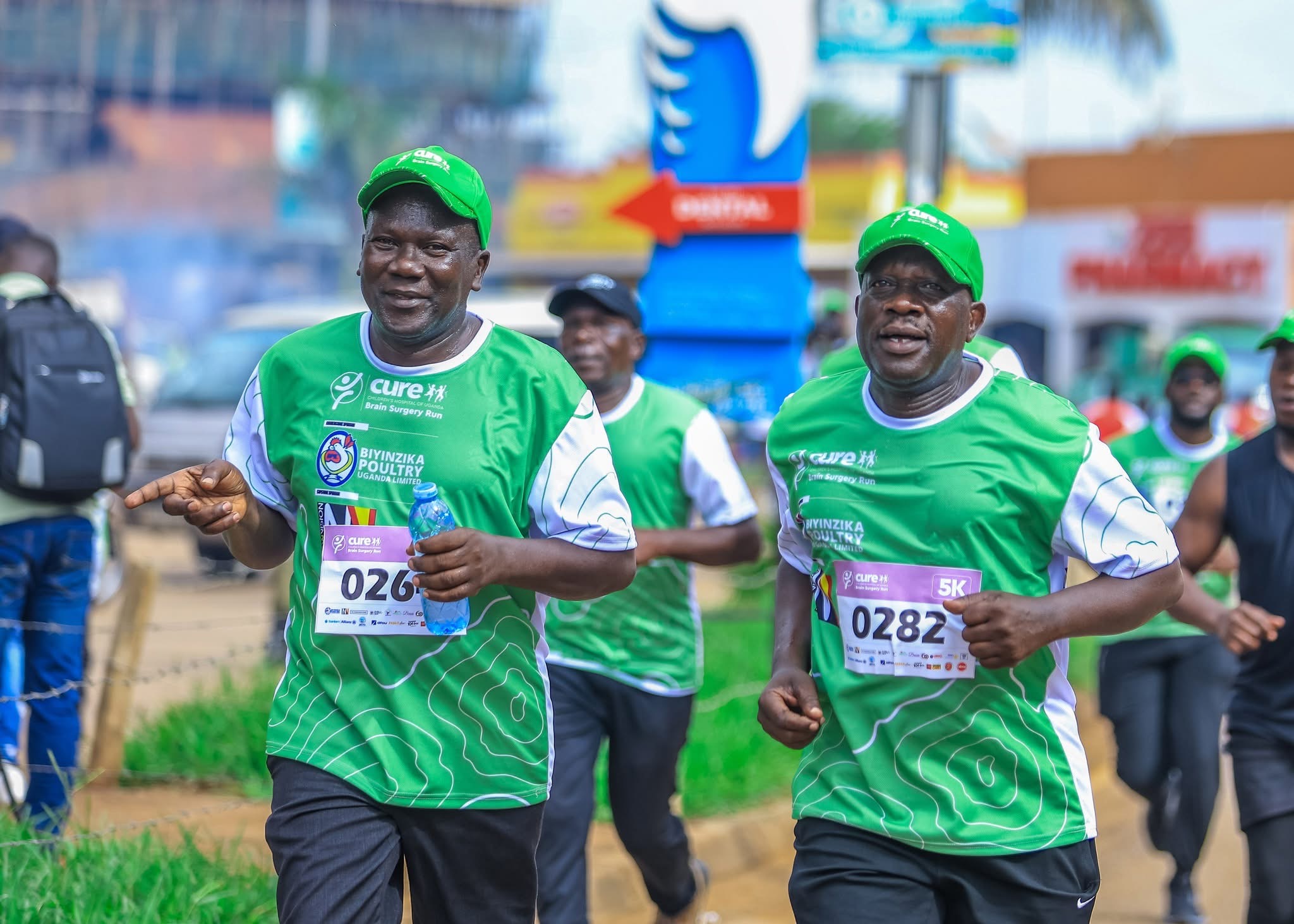
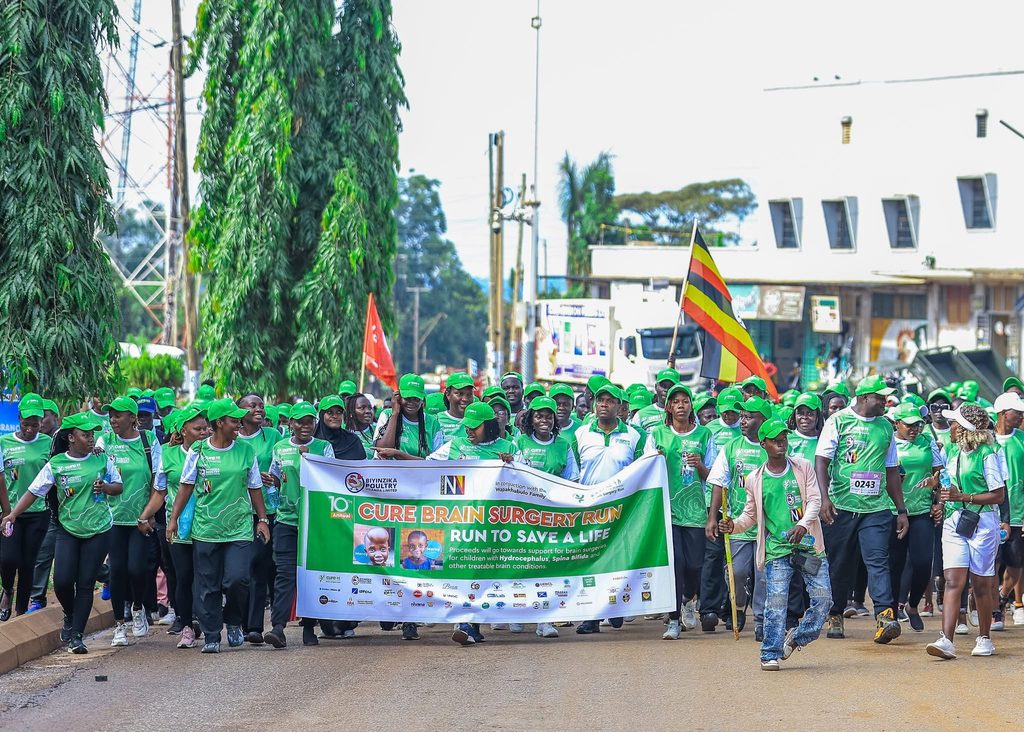
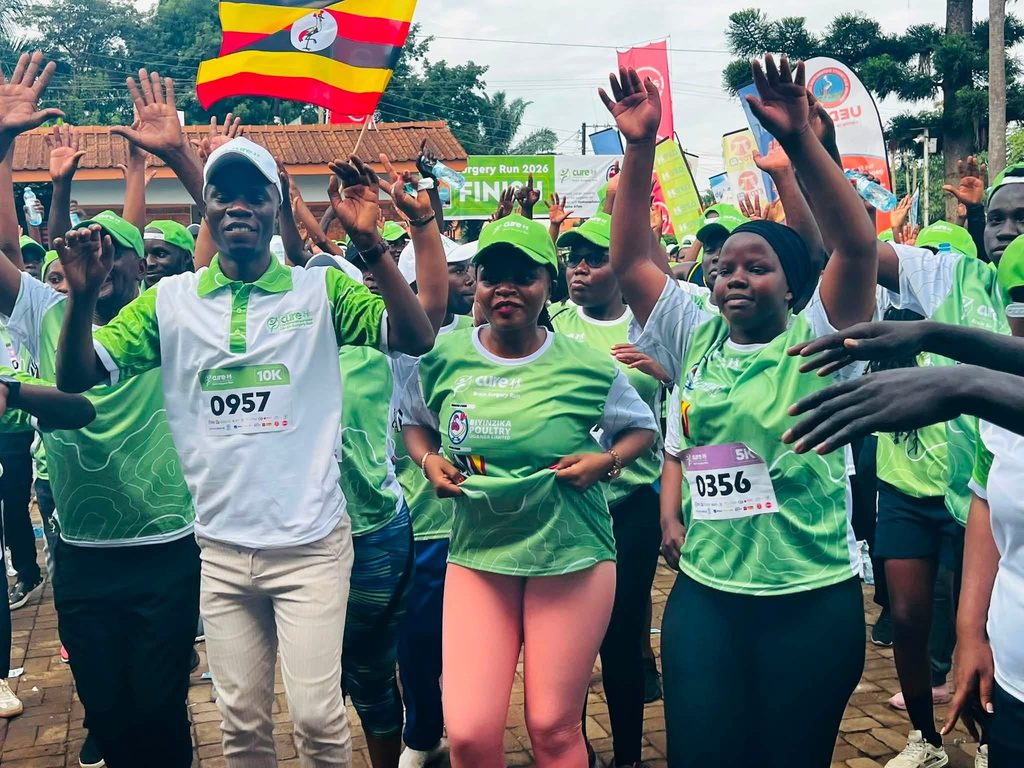
Hundreds of runners filled Mbale City last weekend for the 10th annual CURE Brain Surgery Run, turning a morning of sport into a campaign to support children whose families cannot afford specialised neurosurgical treatment.
Under the theme “Run to Save a Life”, participants took part in 5km and 10km races to raise funds, awareness and public support for CURE Children’s Hospital of Uganda.
The event, held on Saturday, 17 October, brought together political leaders, corporate sponsors, health-sector stakeholders, former patients and members of the public. It also marked a major milestone for the hospital, which has performed 31,000 paediatric neurosurgical operations since opening in Mbale in 2001.
For CURE, the run is more than a fundraising tradition. It is part of a wider effort to ensure that children with severe neurological conditions, particularly hydrocephalus and spina bifida, can access treatment even when their families cannot meet the full cost of care.
CURE Children’s Hospital of Uganda is a specialised paediatric neurosurgery facility in Mbale City. It treats children with complex neurological conditions, including hydrocephalus, spina bifida and brain tumours.
Hydrocephalus occurs when cerebrospinal fluid builds up in the brain, increasing pressure and potentially damaging brain tissue. Treatment commonly involves surgery to insert a shunt to drain excess fluid or, in suitable cases, an endoscopic third ventriculostomy.
Spina bifida is a birth defect in which the spinal column does not close completely during early pregnancy. Depending on its severity, it can cause nerve damage, weakness or paralysis of the legs, and bladder and bowel problems. Low folate levels before and during early pregnancy increase the risk, while recommended folic acid use before conception and during early pregnancy can help prevent many cases.
These conditions can be life-threatening or cause long-term disability when diagnosis and treatment are delayed. The hospital says its subsidised care model is intended to reduce the financial barriers that often prevent children from accessing specialised surgery.
The 2026 edition was the 10th annual Brain Surgery Run. CURE says the initiative began in 2015, when the first run raised Shs10 million. By 2025, the hospital reported collections of Shs640 million, reflecting the campaign’s growing reach.
This year, the hospital renewed its appeal to raise Shs1 billion to support surgeries for vulnerable children. Executive Director Tim Erickson said the target was intended to expand access to life-saving procedures and ease the burden on families unable to pay for specialised care independently.
According to Erickson, an individual brain surgery costs approximately Shs7.8 million. He said CURE had performed about 31,000 brain surgeries over 25 years, providing treatment at a cost significantly lower than what families might pay elsewhere.
At the event, Erickson compared CURE’s average cost with an estimated US$10,000 for similar surgery in Europe or Nairobi. He said the average cost at CURE was about US$2,000, equivalent to Shs7.8 million. These figures were provided by the hospital and have not been independently verified. Actual costs may vary depending on the procedure, complications and facility.
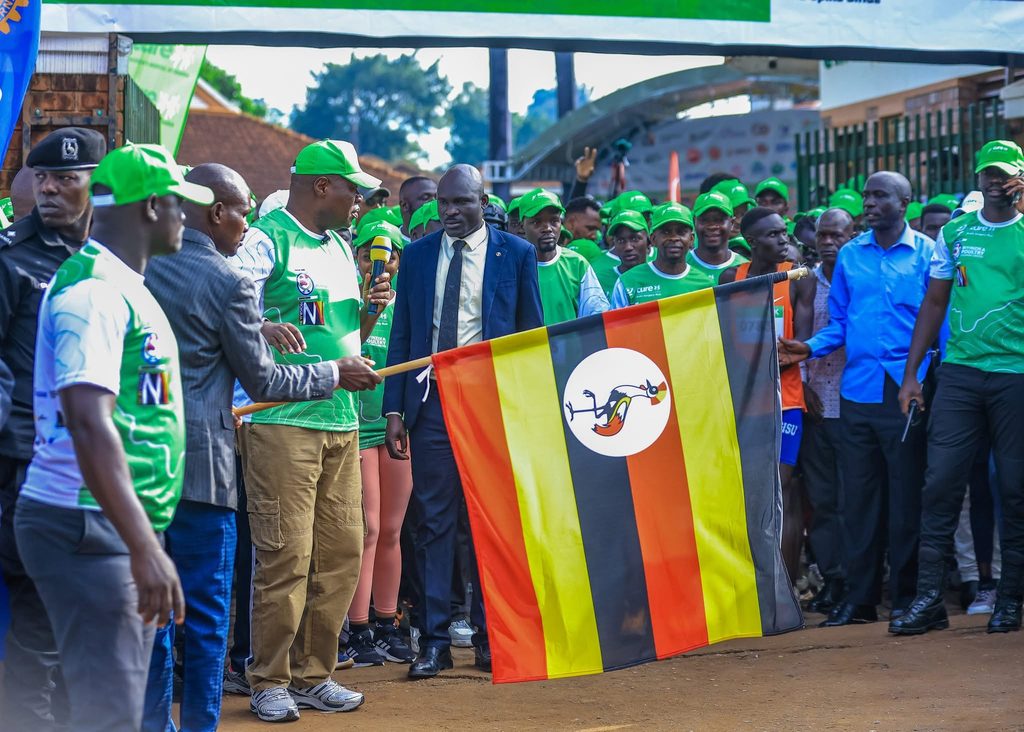
The Speaker of Parliament, Jacob Oboth Marksons, served as the chief runner and flagged off the event. He used the occasion to call for greater public and institutional support for children who need specialised brain surgery.
Oboth said CURE Children’s Hospital had brought hope and healing to many families, adding that saving one child’s life creates a ripple effect that extends to an entire community.
His personal connection to the hospital gave his message added weight. The Speaker said he had previously brought a patient to CURE for treatment and described this year’s run as an opportunity to give back.
“The first time I came here, I was not a patient, but I had a patient. So today I have come to give back,” Oboth said.
He was joined by the State Minister for Public Service, Lydia Wanyoto, legislators from the Bugisu sub-region, corporate organisations and other supporters. The Parliamentary Commission was among the institutions that contributed to the campaign.
Several sponsors and well-wishers announced contributions during the run. Biyinzika Farmers’ Patrick Cameron mobilised Shs150 million, while the Parliamentary Commission contributed Shs50 million and the Office of the First Lady contributed Shs20 million.
The Nandala Foundation and Mountain Inn were also recognised for contributing more than Shs35 million and pledging an additional Shs175 million over five years. According to information presented at the event, the commitment is expected to support approximately seven operations annually.
Businessman and philanthropist Abdallah Difee contributed Shs5 million and pledged a further Shs50 million for next year’s edition. According to the hospital’s coverage of the event, his support is intended to encourage other donors to contribute towards future surgeries.
CURE board member Dr Patrick Bitature said the run was not only about raising money but also about increasing awareness that specialised paediatric neurosurgical care is available in Mbale. He said this was important for families who might otherwise believe that treatment abroad was their only option.
While the run celebrated private philanthropy and community participation, it also raised a broader question: who should bear the cost of highly specialised paediatric healthcare?
Mbale Industrial City Division Member of Parliament Karim Masaba urged lawmakers to advocate for increased government funding to strengthen neurosurgical services at Mbale Regional Referral Hospital. He argued that expanding public healthcare capacity would give more children access to treatment closer to home.
“We need to go back to Parliament as MPs and advocate for more funding so that the government can support these services at Mbale Regional Referral Hospital,” Masaba said.
His remarks placed the charity run within a wider policy debate about the respective roles of government, private hospitals, philanthropists and communities in financing specialised healthcare.
For the runners, the event offered a physical challenge. For the families served by CURE, it represents something more consequential: the possibility that a child’s access to surgery will not depend entirely on the family’s ability to pay.
The hospital says its mission is to provide sponsored brain surgeries and spiritual care for children living with treatable neuro-disabilities. The 31,000 operations recorded over 25 years illustrate the scale of its work, while the renewed appeal to raise Shs1 billion highlights the continuing need for financial support.
As runners crossed the finish line in Mbale, the campaign’s central message remained clear: collective action can help ensure that a child’s chance of survival is not determined by a family’s ability to pay for surgery.