
 KKCR FM
KKCR FM
KKCR FM
20 December 2025, 11:58 am
By James Muhumuza
Civil society organisations (CSOs) have called for renewed recognition and use of indigenous knowledge as a vital tool in advancing climate justice and environmental conservation in Uganda.
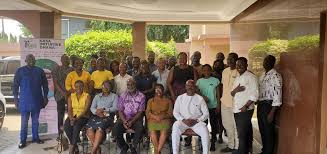
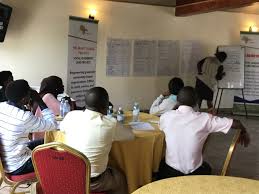
They made the appeal yesterday during their one day workshop held at Mika resort Hotel in Hoima City.
Robert Kugonza the Executive Director of Friends with Environment in Development, said indigenous practices should not be underestimated in efforts to protect the environment.
He noted that many communities have abandoned traditional methods in favour of herbicides and pesticides, yet indigenous approaches remain effective and environmentally friendly.
“Plants such as traditional onions and medicinal trees were deliberately planted or preserved in gardens to repel pests and control diseases without harming nature.
These practices can still be applied today,” Mr Kugonza said.
He added that instead of policing communities to curb forest degradation, greater emphasis should be placed on sensitisation and awareness about the value of environmental conservation.
“When people understand the benefits of nature, such as the health advantages gained from breathing clean air from forests like Bugoma, they are more likely to protect the environment.
This appreciation also makes adaptation to clean energy easier,” he said.
Kugonza further observed that Africa’s relative resilience during the Covid-19 pandemic was partly due to reliance on indigenous knowledge, noting that even globally, people later turned to traditional remedies such as ginger and garlic.
Hilda Flavia Nakabube of Fridays for Future Uganda warned that with projections indicating this year could be the hottest on record, urgent measures are needed to address climate-related risks.
She emphasised the need to include women—who are among the most vulnerable to climate change impacts—on decision-making platforms.
“Women’s participation is critical.
Supporting livelihoods through initiatives like beekeeping and climate-smart agriculture requires targeted and special financing,” she said.
Rachael Tugume, a community activist affected by the East African Crude Oil Pipeline (EACOP), said sensitisation by different organisations had inspired individuals and community groups to engage in eco-friendly income-generating activities.
“We are not just watching. We have planted trees and started small beekeeping projects despite funding challenges.
With more support, we can achieve much more,” she said.
Brighton Aryampa, the Executive Director of Youths for Green Communities (YGC), said CSOs are working collaboratively to promote climate justice nationwide.
He noted, however, that the Albertine region has received particular attention due to major oil developments such as Tilenga, Kingfisher and the EACOP, which pose significant environmental risks both now and in the future.
Counsel Angela Madrine Namuddu of Fridays for Future Uganda encouraged communities affected by environmental degradation and human rights violations linked to oil and gas projects to seek legal redress.
“People should not suffer in silence.
Article 29 of the Constitution of the Republic of Uganda guarantees the right to freedom of speech, assembly and peaceful demonstration,” she said.
Other organisations involved in the initiative include the Oil Refinery Residents Association (ORRA), the Water and Environment Media Network (WEMNET) and Strategic Response on Environmental Conservation.