
 KKCR FM
6 October 2026, 7:46 am
By James Muhumuza
Cervical cancer is an uncontrolled growth of abnormal cells that starts in the cervix, which is the lower, narrow part of the uterus connecting to the vagina.
Uganda Rural Development and Training Programme (URDT) Cervical Cancer Project has been hailed for helping to save women’s lives through cervical cancer screening, testing and treatment.
This was revealed during an impact assessment programme that began in June this year and concluded last week, October 2026, after being conducted in two phases.
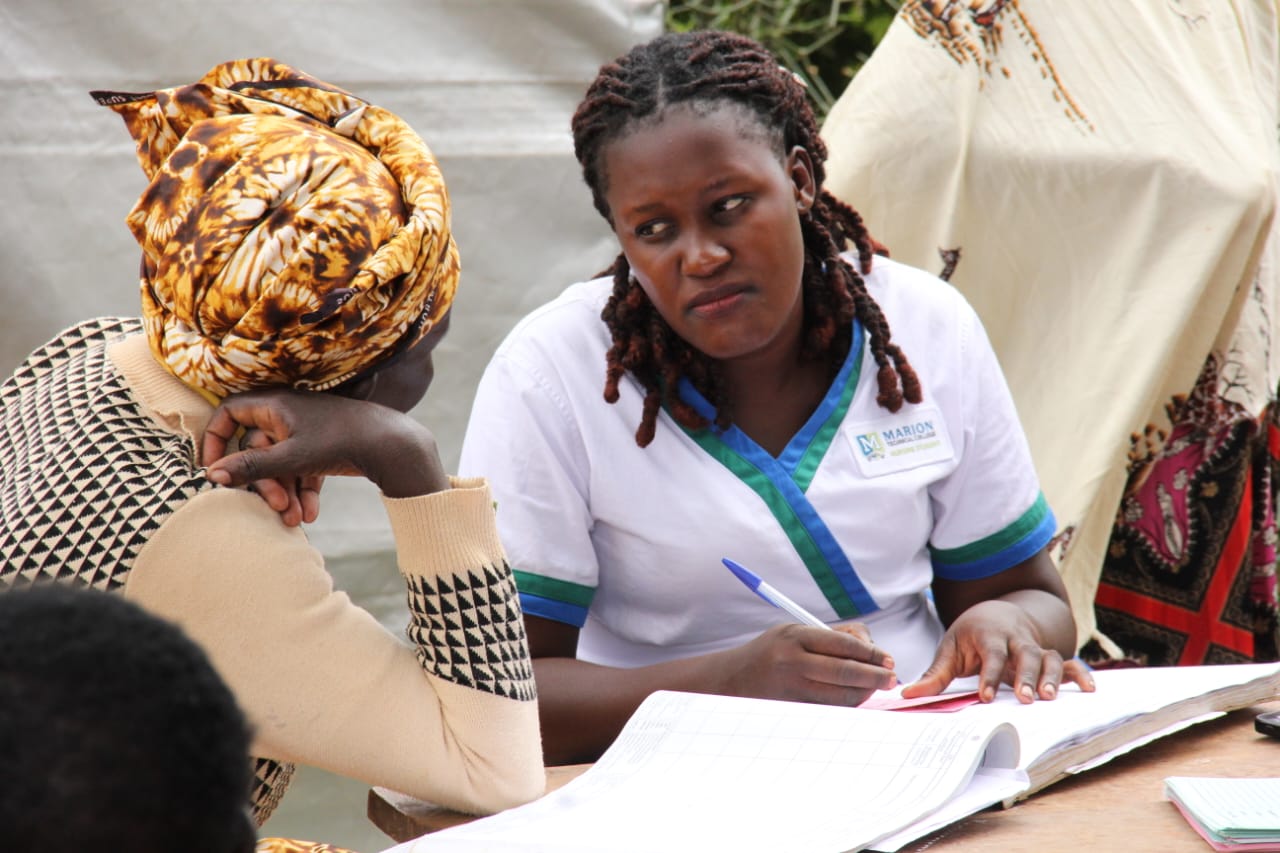
During the assessment, implementers of the URDT Cervical Cancer Project visited several women in Kagadi, Kakumiro and Kibaale districts, where the project operates.
The women assessed included those who had tested positive for cervical cancer, as well as those who had tested negative but presented signs and symptoms associated with the disease.
Among those visited was Irene Katusabe, a resident of Sogarawu/Kitebere Village in Ndaiga Sub-county, Kagadi District, who tested negative for cervical cancer despite presenting symptoms of the disease.
Katusabe said that although she tested negative, URDT cervical cancer project health workers decided to treat the signs and symptoms while monitoring her progress.
She said she was responding well to the medication and remained optimistic about recovering.
Medius Kyomuhendo, a resident of Buhonda Village in Kisita Sub-county, Kakumiro District, said she was referred to Mulago Cancer Institute after testing positive for cervical cancer for further treatment.
Kyomuhendo said she was responding well to the medication and hoped to complete the final stage of treatment soon, after the disease was detected at an early stage.
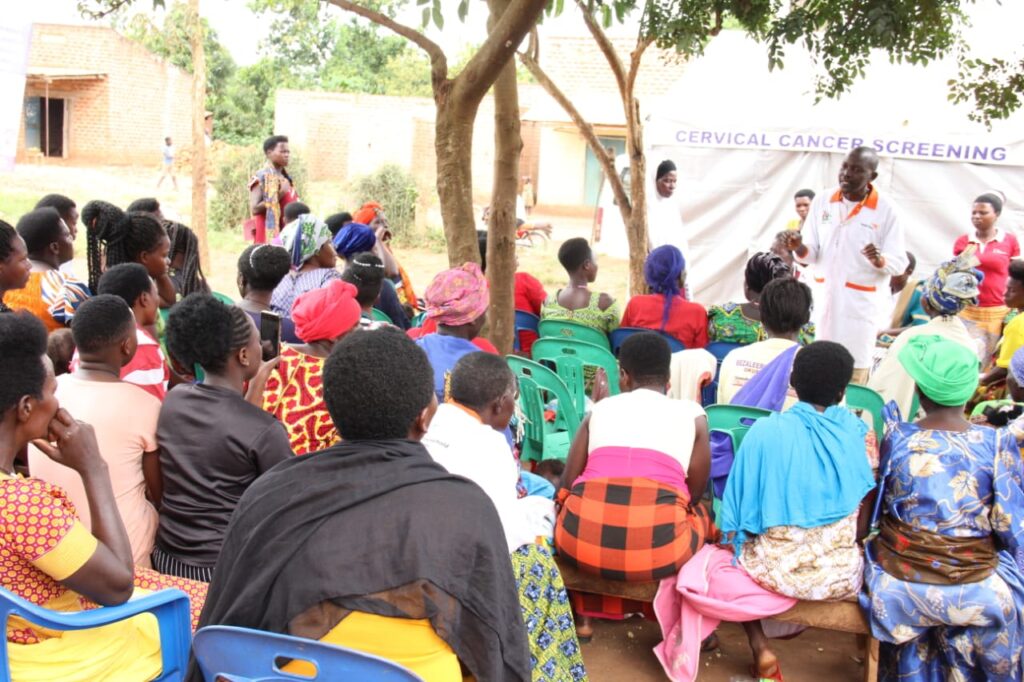
Speaking to our reporter, Nasisi Ochom, a Village Health Team (VHT) member in Sogarawu/Kitebere Village, Ndaiga Sub-county, Kagadi District, who coordinates with URDT Cervical Cancer Project implementers, and Grace Kemigisa, an enrolled midwife at Mubende Health Centre III in Katikara Town Council, Kakumiro District, said many women are still reluctant to undergo cervical cancer screening and testing despite efforts by the URDT project to mobilise communities for the service.
They attributed the low uptake partly to myths and misconceptions about cervical cancer screening and testing, which they said are shared by some women and their husbands.
According to the health workers, some community members believe that the screening process involves removing the placenta, is a silent family planning method or causes excessive pain, among other misconceptions.
They said such myths discourage women from seeking screening and may contribute to the late detection and treatment of cervical cancer, potentially resulting in deaths.
However, Ochom and Kemigisa commended the URDT Cervical Cancer Project for equipping them with knowledge and skills in cervical cancer screening and testing, and involving them in community activities aimed at saving women’s lives.
Shamim Namagembe, the URDT Cervical Cancer Project Coordinator, said findings from the impact assessment and follow-up exercise would be used to determine how women could be further linked to higher-level health facilities for appropriate treatment.
Namagembe expressed optimism that women currently receiving treatment would recover and continue with their lives.
She encouraged other women to embrace cervical cancer screening and testing to enable early detection and treatment of the disease.
The Uganda Rural Development and Training Programme (URDT) runs an ongoing cervical cancer project focusing on community awareness, screening and single-visit treatment in the Greater Kibaale region, including Kagadi, Kibaale and Kakumiro districts.
The project has so far screened more than 15,000 women and expanded its services to lower-level health facilities, including Health Centre III and IV facilities, as well as hard-to-reach areas such as Ndaiga Sub-county.