
 LUO FM
LUO FM
LUO FM
21 April 2026, 2:52 pm
By Geoffrey Okwong
Farmers in Pader District have been urged to take coffee farming seriously and treat agriculture as a business if they are to benefit from government interventions aimed at eradicating poverty.
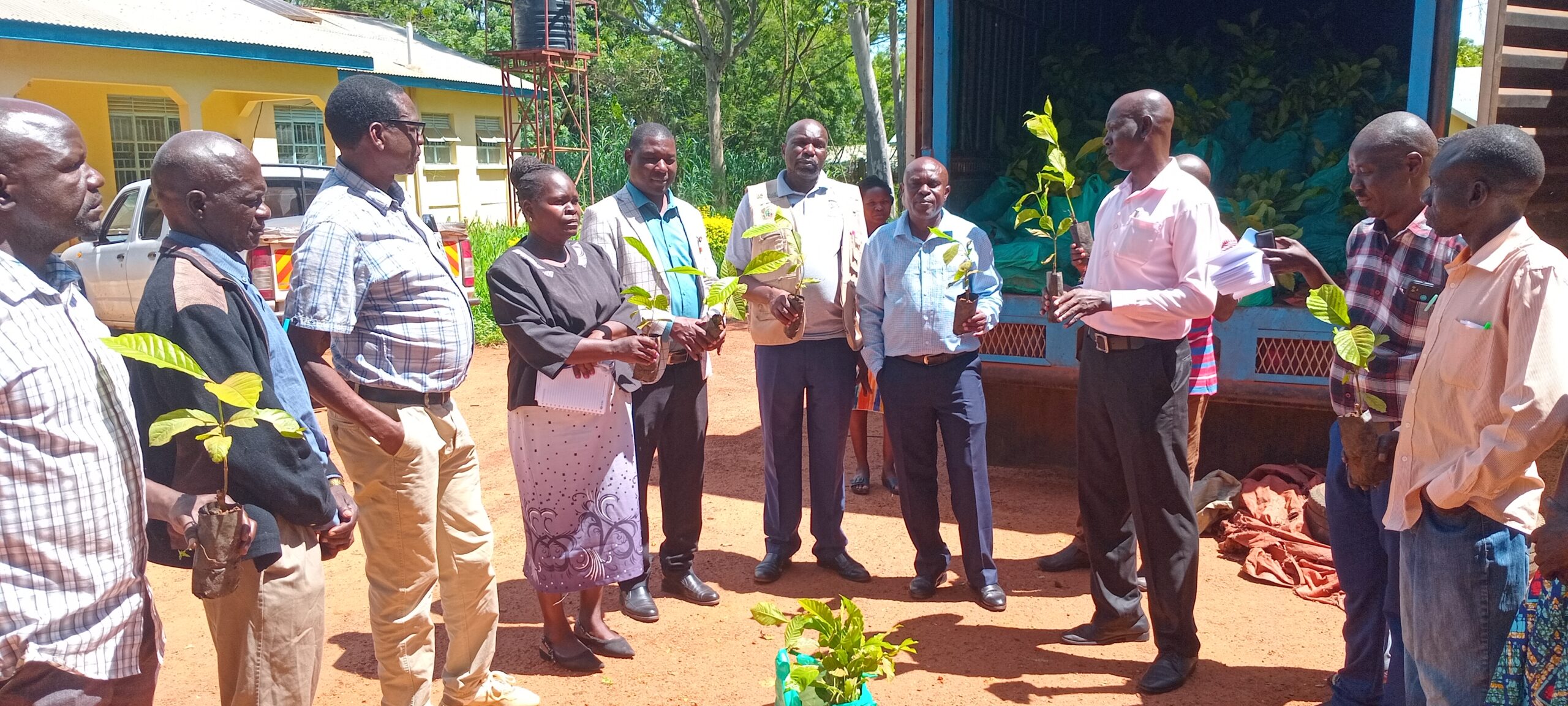
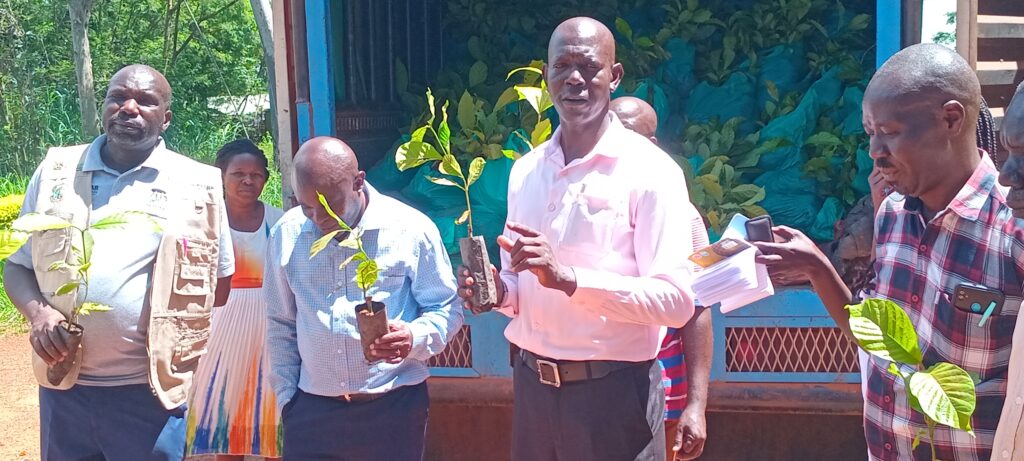
The call was made by Phillips Adonga Ojok, who represented the LC5 Chairperson of Pader District, during the launch of the distribution of coffee seedlings at the district headquarters.
Ojok expressed appreciation to the Government of Uganda for introducing several programmes aimed at improving the livelihoods of communities, noting that many interventions have already been implemented to fight poverty.
He said the government continues to roll out more programmes to support farmers and urged beneficiaries of such initiatives to make proper use of the opportunities provided.
According to Ojok, farming should no longer be viewed as an activity for household consumption only, but rather as a business capable of generating income for families.
He explained that investing in perennial crops such as coffee is one of the strategies that can help farmers improve their earnings and achieve economic stability.
Ojok noted that the district production department had taken steps such as assessing soil suitability and training farmers to ensure that the coffee seedlings are planted in appropriate areas where they can grow well.
He cautioned farmers against the habit of receiving government inputs and failing to utilise them effectively, saying the coffee seedlings should not be neglected after distribution.
Ojok encouraged farmers who receive the first batch of seedlings to plant them immediately, especially since the rainy season has already begun, providing favourable conditions for the young plants to grow.
He also appealed to farmers to protect their gardens by fencing them and managing them well to ensure the success of the coffee project in the district.
Olum Livingstone, a farmer from Pader Town Council, expressed gratitude to the government for supporting local farmers with coffee seedlings, saying the initiative will help improve livelihoods in the district.
Livingstone said he was among the farmers who received the first consignment of coffee seedlings last year and established a garden, but faced challenges during the dry season when stray animals destroyed a large portion of his crop because the garden was not fenced.
He explained that after the destruction, he decided to fence the garden and began irrigating the remaining coffee plants manually during the dry season to ensure they survived.
According to him, about half of the coffee plants managed to survive, thanks to the efforts he put into watering and protecting them.
Livingstone added that he has since expanded his garden and prepared additional planting holes to accommodate more seedlings under the new distribution.
He thanked the government for continuing to support farmers through the coffee programme, saying the initiative will greatly improve the welfare of farming communities in the district.
However, he appealed to the government and local leaders to consider strengthening policies and by-laws to control stray animals that destroy crops in farmers’ gardens.
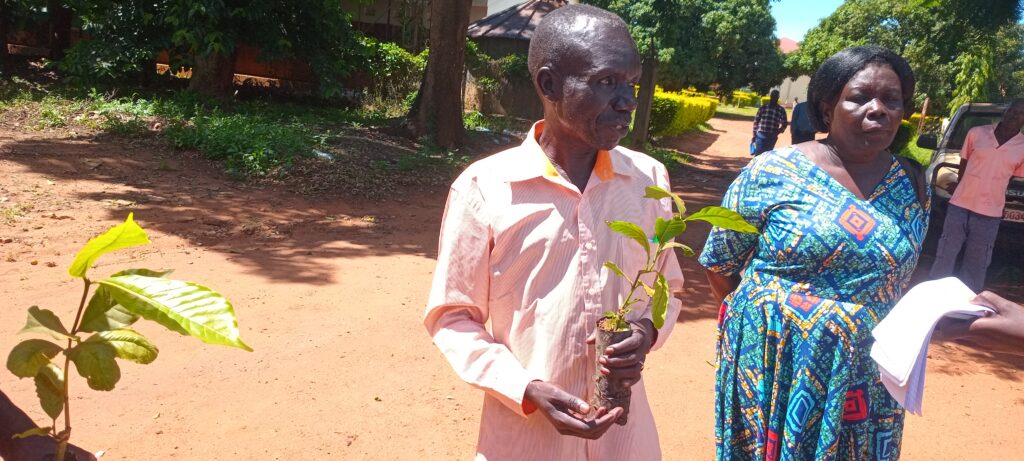
Livingstone noted that while farmers are trying their best to fence their gardens individually, stronger enforcement of regulations would help protect crops and prevent losses.
He also encouraged fellow farmers who receive coffee seedlings to strictly follow the agronomic practices they have been trained in, including proper land preparation, correct spacing, and digging the recommended planting holes.
He warned that failure to follow the guidelines—such as planting seedlings without proper spacing—can negatively affect the growth and productivity of coffee plants.
Livingstone urged farmers to treat coffee farming as a serious responsibility that requires daily attention, emphasising that a coffee garden should be managed as a valuable personal asset requiring constant care.