
 Radio Wa
Radio Wa
Radio Wa
30 April 2026, 3:10 pm
By Agness Agilo
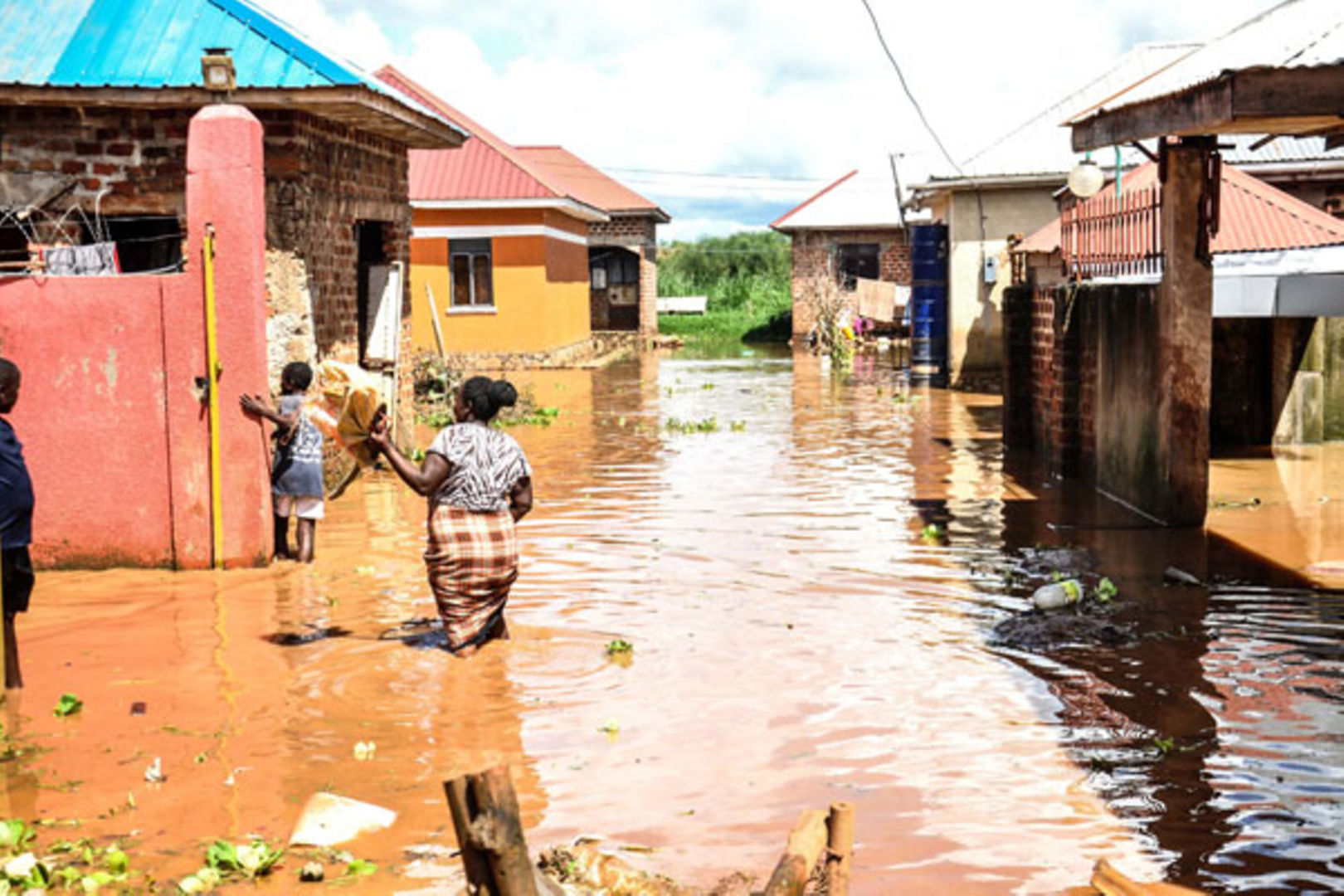
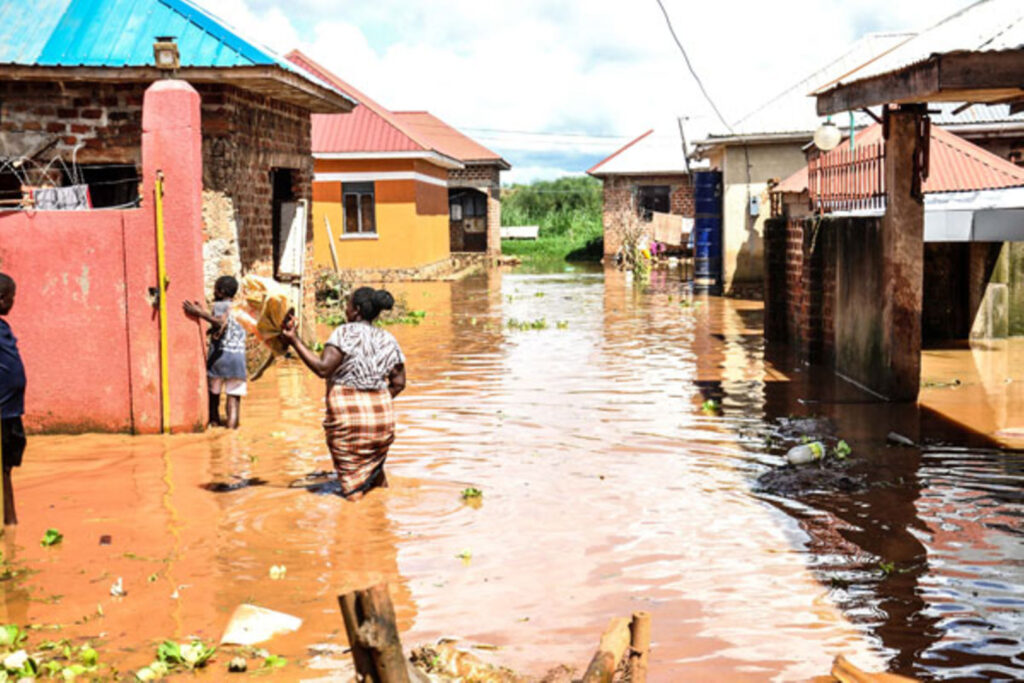
A section of residents in the Lango subregion are reeling from heavy losses after floods swept through their homes, leaving behind widespread destruction and renewed concerns over environmental mismanagement.
The April rains, intensified by changing climate patterns, have overwhelmed communities, with many pointing to the destruction of natural buffers such as papyrus swamps. Once vital in absorbing excess water, these wetlands have largely disappeared due to encroachment and conversion into farmland and construction plots.
In districts like Otuke, rampant tree cutting for charcoal and unchecked development have further weakened the environment’s ability to regulate water flow. Residents now say the consequences are devastating.
Caroline Akello, a resident of Adyel in Lira City West, recounted the distress of watching her house develop cracks as floodwaters submerged it. Overflowing latrines have turned compounds into health hazards, while roads have been rendered impassable.
Similarly, Brian Okello, a boda boda rider in Omodo, lost both his shop and family home overnight. He blamed the destruction on human activities such as brick making in wetlands and sand dredging, which he said have eroded natural flood defenses.
In contrast, Julius Opio, a resident of Akia in Lira City East Division, reported minimal impact on his home, attributing this to preserving trees and respecting natural water channels.
Lira District Environmental Officer Walter Ocen cited several causes of the flooding, including construction in low-lying areas, deforestation, and wetland encroachment. He explained that trees play a crucial role in controlling runoff, while wetlands act as natural water reservoirs. Their destruction, he warned, leaves communities vulnerable to flooding.
Ocen urged residents to avoid activities that disrupt ecological systems, cautioning that the long-term consequences could be severe.
The floods in Lango serve as a stark reminder that environmental neglect carries a heavy cost, and that sustainable practices are essential to protect communities from recurring disasters.