
 Radio Wang Ooh
Radio Wang Ooh
Radio Wang Ooh
23 March 2026, 11:43 AM

By Freeman Canogura
Leaders and health experts in Agago District have raised concern over the growing number of untreated mental health cases, warning that stigma, limited services, and low awareness are forcing many families to hide patients instead of seeking medical care.
The concern comes amid new national data showing a sharp rise in mental health cases across Uganda. According to figures presented by the Executive Director of Butabika National Referral Hospital, Dr. Juliet Nakku, reported mental health cases at health facilities have increased by more than 70 percent over the past four years, rising from 494,326 to 843,295.
Dr. Nakku revealed the statistics while appearing before Parliament’s Public Accounts Committee to respond to findings in the 2025 Auditor General’s report. She noted that nearly a quarter of the new cases involve children and adolescents.
In Agago District, experts say the situation may be worse than reported because many families hide relatives suffering from mental illness instead of taking them to health facilities.
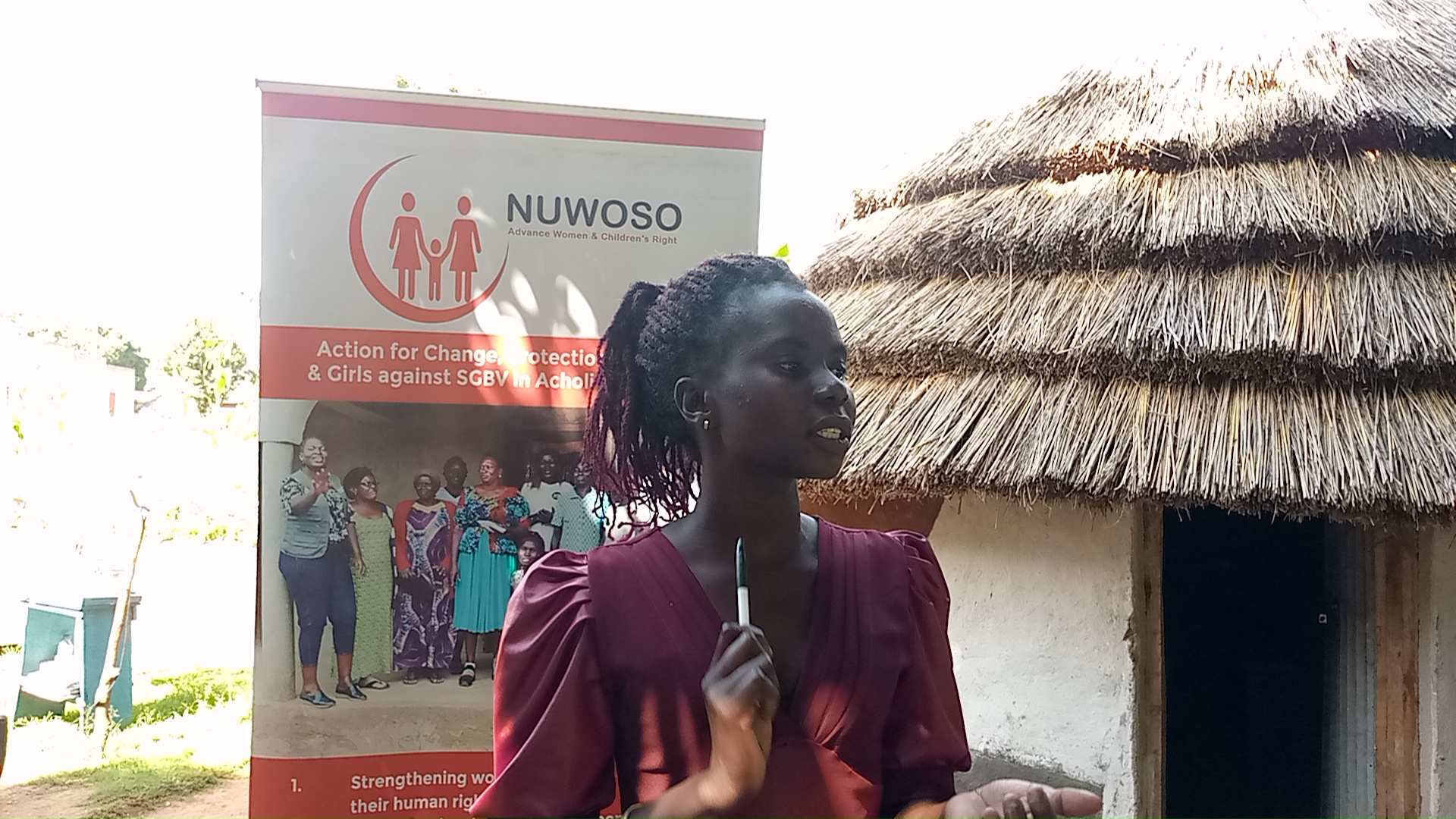
Sarah Apili, a psychiatric nurse at Dr. Ambrosoli Memorial Hospital Kalongo, says stigma remains the biggest barrier preventing people from seeking treatment. Apili explains that many families fear discrimination and only take patients to hospitals when their conditions have already worsened.
Rwot Ongom Kasimiro, chief of the Kal P’tongo Clan, says traditional beliefs continue to influence how communities interpret mental illness. He explains that some families still associate mental illness with witchcraft or spiritual punishment, leading them to seek help from traditional healers before turning to hospitals.
Fr. Churchil Ojok, a Catholic priest from Agago currently working in Nairobi, says many people approach churches seeking spiritual counseling for stress, depression, and family conflicts. He notes that while prayer and spiritual guidance provide emotional support, mental health conditions also require professional medical treatment.
Health authorities warn that without stronger investment in prevention, early identification, and community-based mental health services, the rising mental health burden could continue to affect families, schools, and workplaces across the country.