
 Radio Wang Ooh
Radio Wang Ooh
Radio Wang Ooh
24 March 2026, 5:29 PM

By David Ojok Jr.
As Uganda continues to observe the water and environment week (UWEWK) 2026 that runs until March 27th with dialogue and discussions based on environmental sustainability and climate actions, women in Agago District have cried out for technical training on climate-smart options.
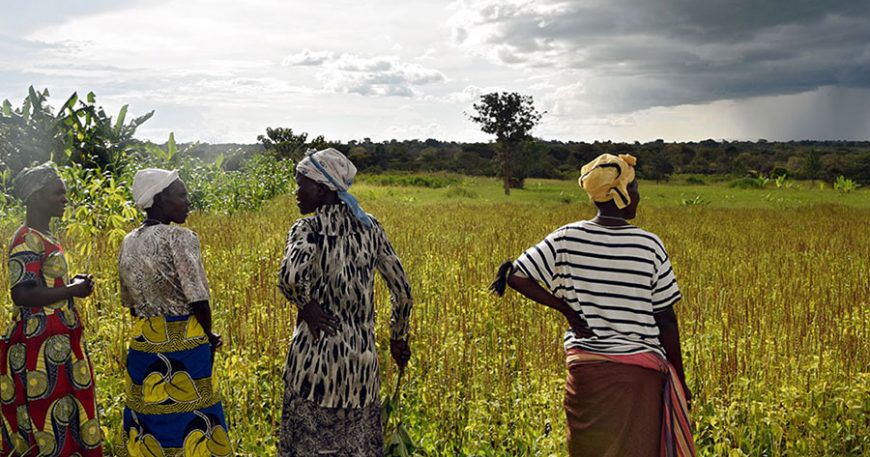
Several women’s groups and local leaders have called for women led climate change initiatives through training on risks, impacts, and best farming practices to combat the damaging effects on the agriculture sector in the district, which is a mainstay for rural households.
Members of the “Waryemo Can Kacel” Village Savings and Loan Association (VSLA) based in Lakwar Village, Kibedo Ipor Parish, Patongo Sub-county, Agago District, who have also ventured into commercial farming as one of the poverty alleviation activities, have decried cultural norms that limit women’s control over land and resources. The group says, much as climate change is a global issue, women in Agago and several parts of northern Uganda are lagging behind in accessing technical information.
Akwero Mercy, the association’s chairperson, says women are often denied land for farming, especially after the death of their husbands, as relatives always assume full control of resources left behind. Women in Agago face a disproportionate workload during farming seasons. As carers, they often must till rock-hard ground under extreme temperatures to provide food, and during droughts, they are forced to travel increasingly long distances to find water. Compounding this is a high female illiteracy rate of 60.4%, which creates a significant barrier to accessing technical information about new farming methods. Despite the clear need for action, Agago remains behind in curbing these challenges. The local policy environment is described as “weak,” with several crucial environmental ordinances still in the drafting stages or awaiting approval from the Attorney General.
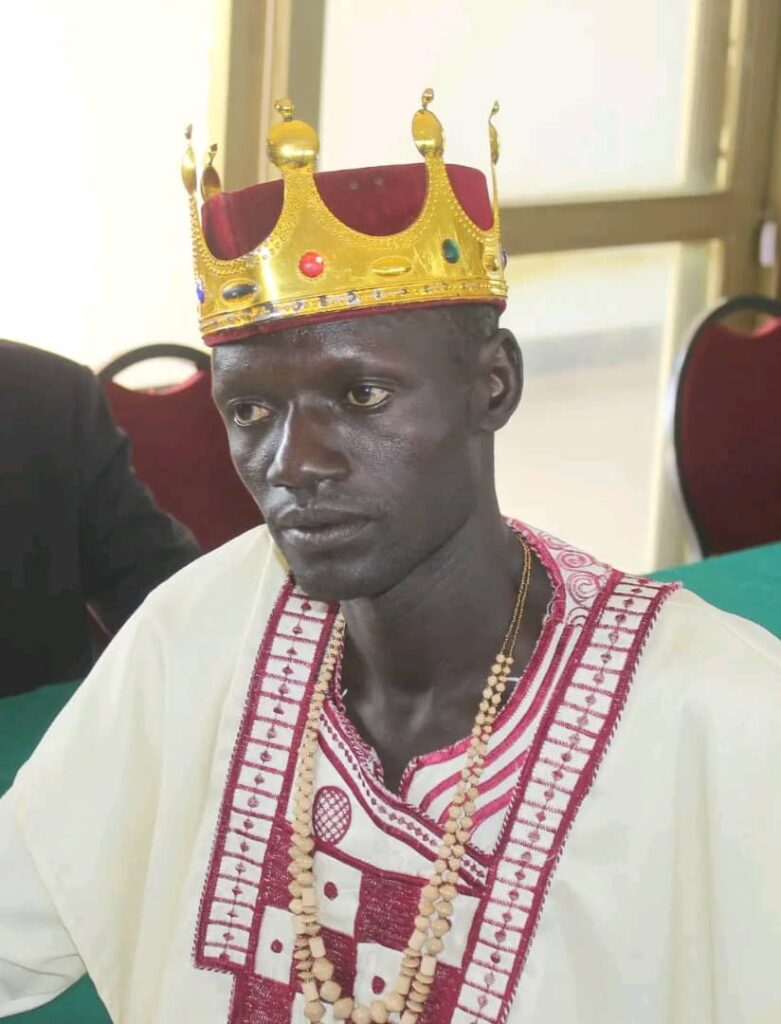
Meanwhile, cultural leaders have also weighed in, calling for a more gender-responsive approach to climate change. The cultural chief of the Kal Pa Otongo kingdom, Rwot Kasemiro Ongom, said the local government should intervene with grants targeting female-led VSLAs, like seed funding and technical training on climate-smart options that reduce their time and labour burden, as most farming activities are done by women in Agago as opposed to men.
The most frequent climate risk that has affected farmers across northern Uganda, Agago inclusive, has been prolonged dry spells with consequences of heat and water stress leading to reduced yields. The shifting onset of rains is also posing challenges to farmers with unpredictable rainy seasons, making it difficult to plant in time. This puts farmers in a vulnerable position, jeopardizing food security for many.
In recent decades, the adverse impacts of climate change on agriculture are increasingly apparent, including changes in weather patterns, erratic rainfall, higher temperatures, increased outbreaks of pests and diseases and an increasing frequency and intensity of extreme events such as droughts, floods and landslides.
On February 26, 2026, the Coffee Department of the Ministry of Agriculture, Animal Industry and Fisheries (MAAIF) and Operation Wealth Creation (OWC), in partnership with the Roco Paco Movement, trained farmers with a promise of promoting coffee growing in the district of and the wider northern Uganda region with the hope that it can significantly improve household incomes and eradicate poverty.
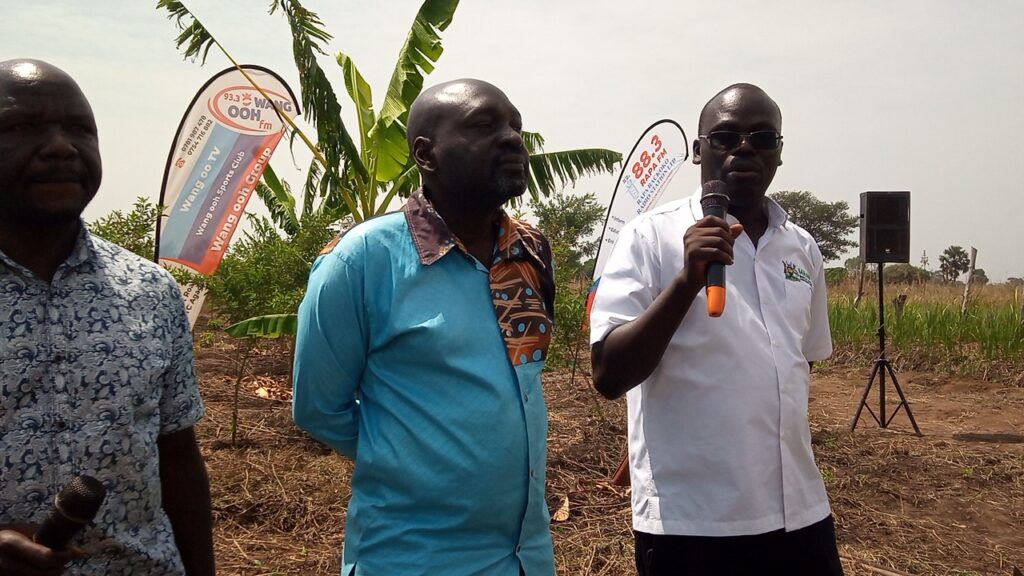
Speaking at the training, Twine Julius, Senior Agricultural Officer in the Coffee Department at MAAIF and head of the East Acholi and Lango sub-regions, said climate variability has become a primary driver of food insecurity in Agago and called on them to farm crops that are also environmentally friendly.
Climate variability has become a primary driver of food insecurity in Agago. The district is experiencing significant shifts in the agricultural calendar, with the onset of rains now fluctuating by 15 to 30 days.
While Agago has established several formal frameworks to manage natural resources, the policy environment remains “loopholed” and largely non-operational due to a lack of enforcement legitimacy.
Chronic underfunding and the late release of central government grants have also stalled conservation activities.
Resilience-building in the district is supported by a mix of government and development partners. A central actor is the GIZ ProCSA project, implemented as a key component of the wider Promoting Rural Development (PRUDEV) programme. Other notable initiatives include Operation Wealth Creation (OWC) and PRELNOR.
To secure Agago’s agricultural future, the district must transition toward Gender-Responsive Climate-Smart Agriculture (CSA) that addresses both technical and structural barriers. Support smallholders in optimising plant densities and soil nutrient management. Specifically, extension services must help farmers recalibrate sowing dates to match the 15-to-30-day rainfall shift and fast-track the approval and enactment of pending district ordinances to provide the legal mandate required to curb environmental degradation and charcoal-driven deforestation. Use traditional leaders as “change agents” to challenge cultural norms that limit women’s control over land and resources.
Without a coordinated and gender-responsive approach, the people of Agago remain at the mercy of a climate that no longer follows the old rules.