
 Hot FM
Hot FM
Hot FM
4 February 2026, 7:21 pm
By Sarah Ejang and Desire Ocen
Amolatar receives HB electrophoresis machine
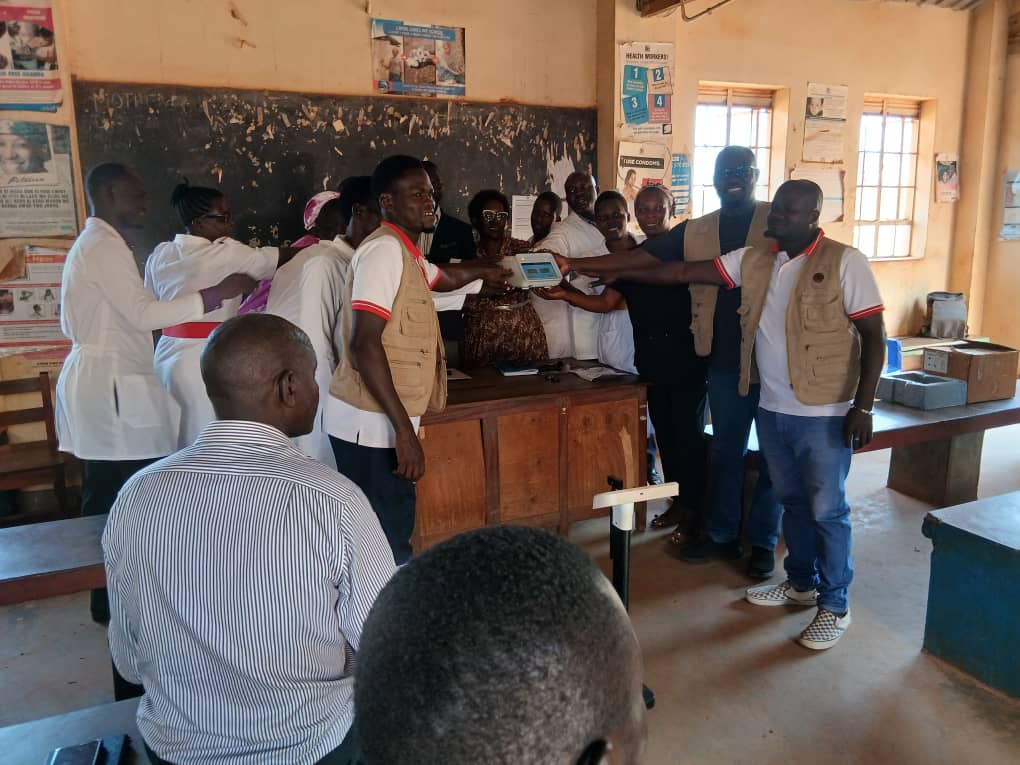
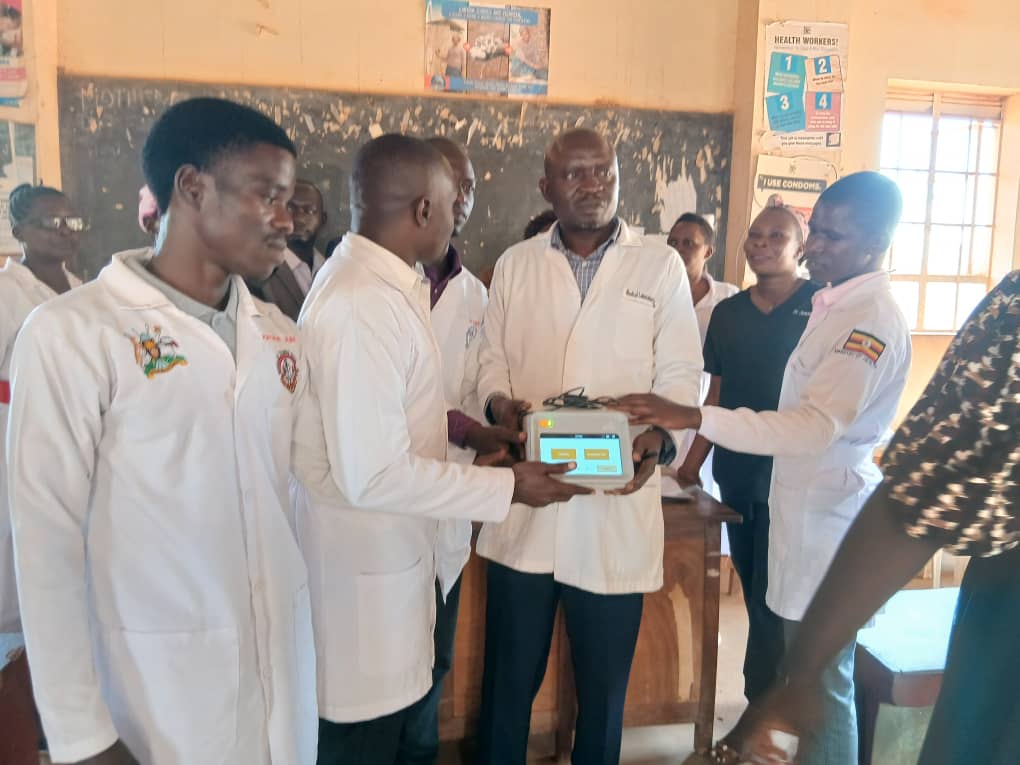
On 4 February 2026, the Catherine Phil Sickle Cell Initiative donated its third HB electrophoresis machine to Amolatar, following previous donations to Apac and Lira.
The District Health Officer commended the initiative for its support across the Lango region, including Alebtong, Apac, Lira, and Amolatar.
Dr Jimmy Odongo urged the community to make effective use of the testing machine to help reduce the prevalence of sickle cell disease in Amolatar and the wider Lango area.
He urged couples planning to marry to prioritise testing.
Dr Odongo noted that the new machine would streamline their work, providing results in just ten minutes, unlike the previous method that involved sending samples to Entebbe or Kampala, which could take two weeks or more to receive results.
The Chief Administrative Officer, represented by the PAS, stated that this initiative would greatly aid in prevention, as management often faces challenges compounded by various myths and misconceptions.
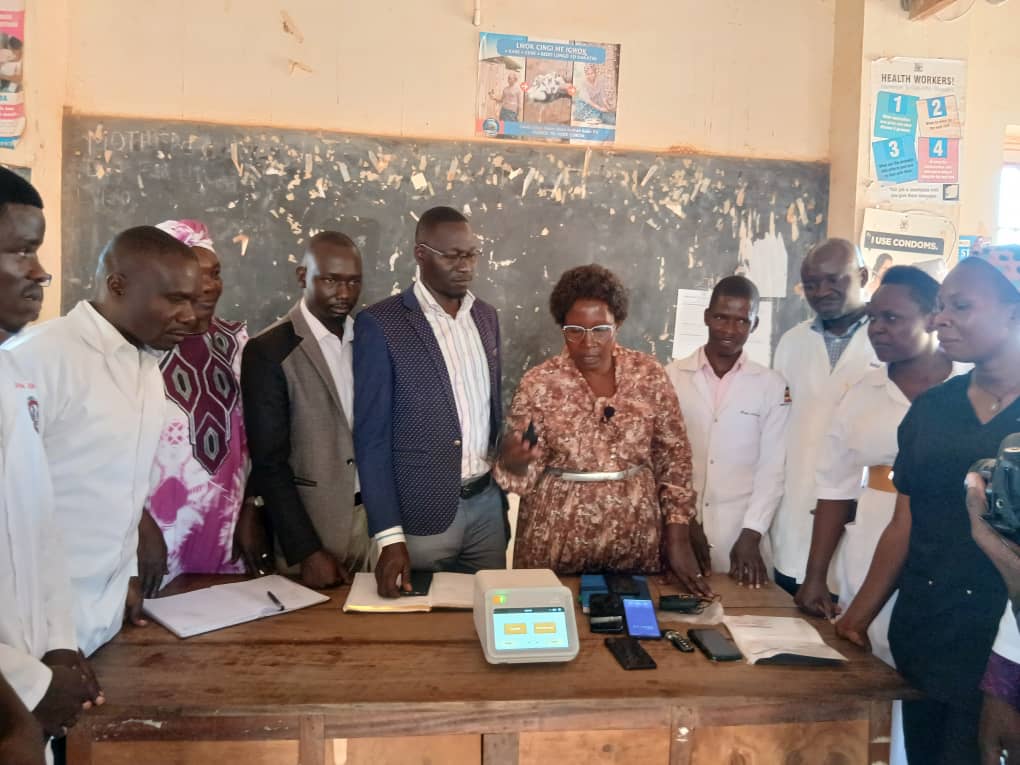
The CAO, represented by Principal Assistant Secretary (PAS) Susan Acio, also emphasised the importance of prioritising the maintenance of the machine.
Daniel Roy Odur, team leader of the Catherine Phil Sickle Cell Initiative, advised against the use of herbal remedies for sickle cell disease.
Odur noted that many people still associate the condition with witchcraft, leading them to rely on local concoctions that are ineffective.
He explained that the electrophoresis machine can detect sickle cell traits and can operate for eight hours on a single charge, making it convenient for field use.
However, he cautioned laboratory technicians to use the machine judiciously, applying it only to clients who have first undergone RTD/solubility tests, rather than testing all patients indiscriminately.
Sr Atim Victoria Sharon, the Assistant District Health Officer responsible for maternal and child health, commended the Catherine Phil Sickle Cell Initiative for selecting Amolatar HC VI from among 154 health centres nationwide.
According to Sr Atim, Amolatar HC VI is currently managing 606 cases of sickle cell disease.
She further noted that the district continues to face challenges in managing the condition, such as drug shortages.
Sr Atim added that the introduction of the new machine will enable them to improve their prescriptions.
Amolatar HC IV is currently managing 659 sickle cell cases, with Lango region leading in prevalence: Alebtong at 23.8%, followed by Amolatar, according to the District Health Officer, Dr Jimmy Odongo.
The handover ceremony for the machine was attended by district officials, including the PAS and the District Health Officer, as well as community members and parents of individuals affected by sickle cell disease.