

 LUO FM
LUO FM
LUO FM
25 April 2026, 6:38 pm
By geoffrey oyet and Odong Daniel
The Uganda Bureau of Statistics (UBOS) has published the Uganda Malaria Indicator Survey (2024–25), a joint effort with the Ministry of Health, unveiling vital data on malaria prevention, child health, and community awareness that will shape upcoming health policies and interventions in Uganda.
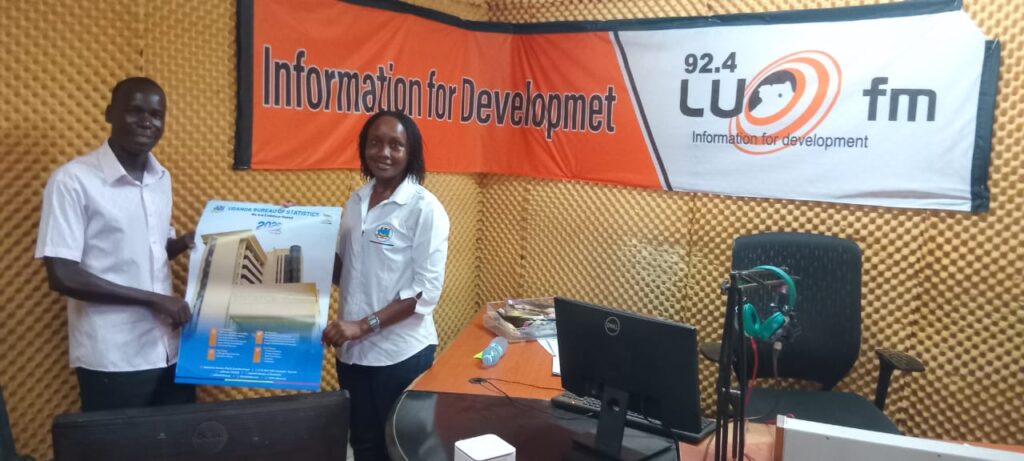
During a radio talkshow on 92.4 Luo FM Pader on Friday, The Uganda Bureau of Statistics (UBOS), the national agency responsible for collecting, analyzing, and disseminating official statistics, released the survey to support evidence‑based decision‑making. The 2024–25 Malaria Indicator Survey assesses malaria‑related indicators across the country.
Key findings from the survey include significant insights into prevention and control measures. According to the report, 84 percent of Ugandan households own at least one mosquito net, while 65 percent of the population actually use the nets.
In addition, 81 percent of targeted households received indoor residual spraying, and 73 percent of pregnant women obtained the recommended malaria preventive treatment.
On child health, the survey reveals that 31 percent of children under five experienced fever in the survey period, yet only 54 percent received prompt care. Of those tested, 57 percent underwent malaria testing and 87 percent were given ACT treatment. Malaria prevalence among children under five stands at 13 percent.
Awareness levels are relatively high: 91 percent of women know malaria prevention methods, with radio identified as the leading source of malaria information for 56 percent of the population.
The data will guide policymakers in refining malaria control strategies and optimizing resource allocation within Uganda’s National Statistical System. UBOS emphasizes that quality, standardized statistics are essential for planning, policy formulation, and monitoring service delivery.
“The findings from the Malaria Indicator Survey will inform targeted interventions to reduce malaria incidence, especially among children and vulnerable groups,” said Nancy Anyango from UBOS .
The survey underscores the importance of integrated efforts between statistical agencies and health ministries to translate data into actionable health programs that improve prevention and treatment outcomes in Uganda.