
 Radio Apac
Radio Apac
Radio Apac
31 December 2025, 9:50 pm
By Mike Okwang Ogule & Daniel Odongo
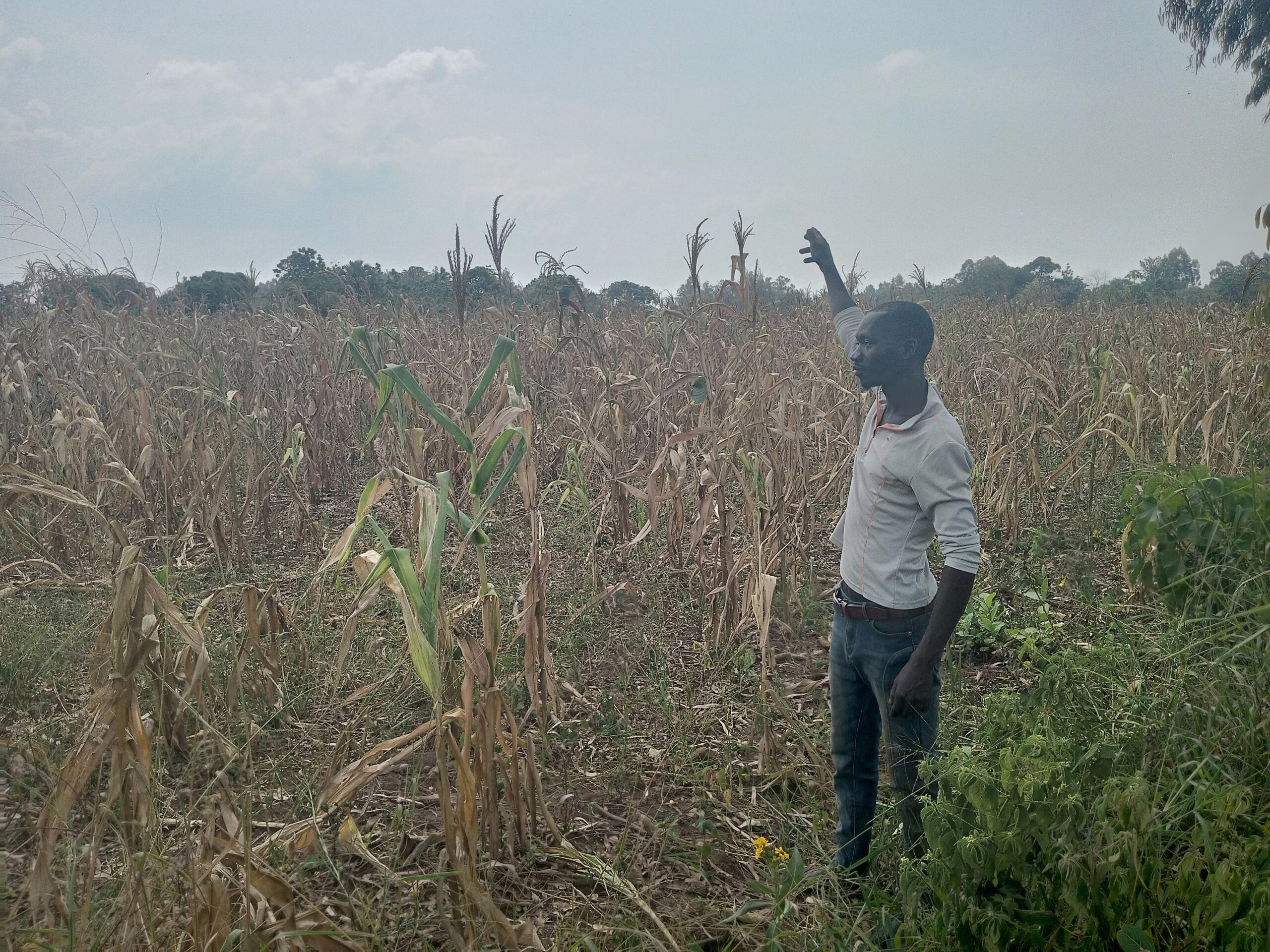
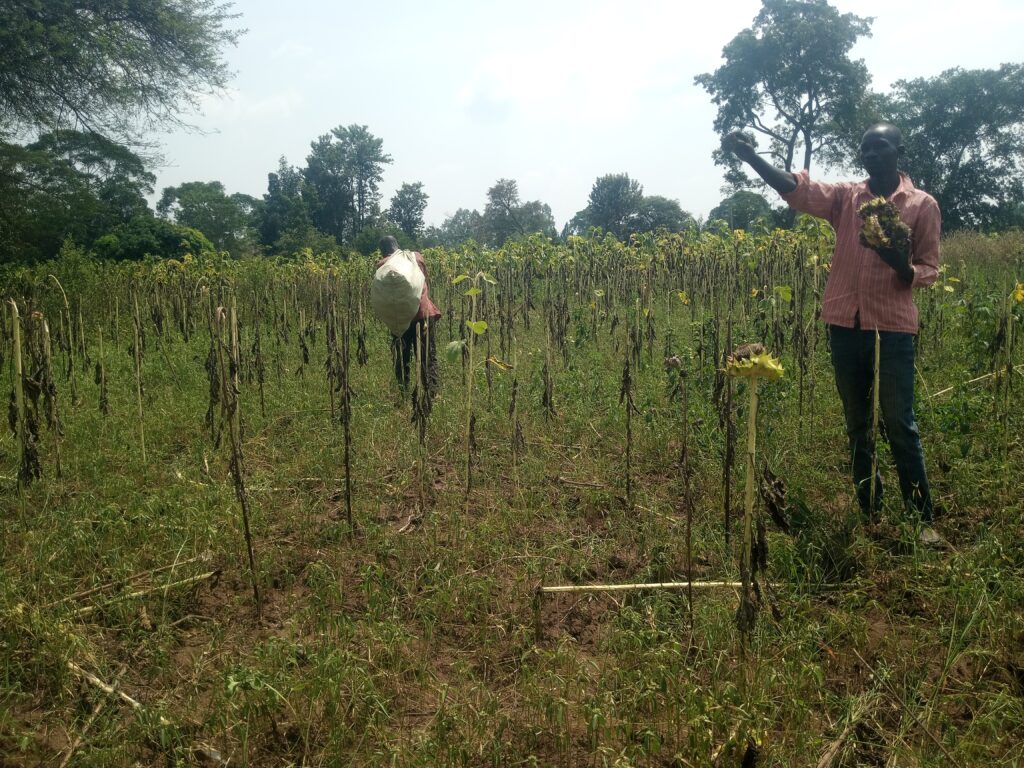
Farmers in Apac District and across the wider Lango sub-region are grappling with severe crop losses as prolonged sunshine continues to disrupt agricultural production and threaten household food security. The drought has devastated a wide range of crops, including maize, beans, sunflowers, and soybeans, which are both staple foods and vital sources of income. Many farmers who planted based on forecasts predicting continued rainfall are now watching their crops dry up before reaching maturity.
A recent Radio Apac survey revealed that most gardens across the region have been scorched by excessive sunshine, with crops wilting at early growth stages. This has led to drastically reduced yields and financial strain for farming households.
Mr Santo Ogweng, from Atik Division in Apac Municipality, said he harvested only one bag of maize from two acres of land. “I expected a better harvest, but the prolonged sunshine destroyed my crops. I appeal to the government to provide drought-resistant seeds to help farmers cope with climate change, particularly prolonged droughts,” he explained.
Similarly, sunflower farmer Mr Daniel Anok reported heavy losses after hiring land and planting sunflowers in the hope of making a profit. “The sunshine was too intense, and the crop failed completely. We need government support, particularly drought-resistant seeds, to survive the next planting season,” he said.
Another maize farmer, Mr Denis Ongar, noted that he had expected to harvest more than 20 sacks of maize from his two acres, but the prolonged sunshine drastically reduced his yield. “The sunshine affected the crops badly,” he said, adding that access to drought-resistant seeds would help farmers adapt to the changing climate.
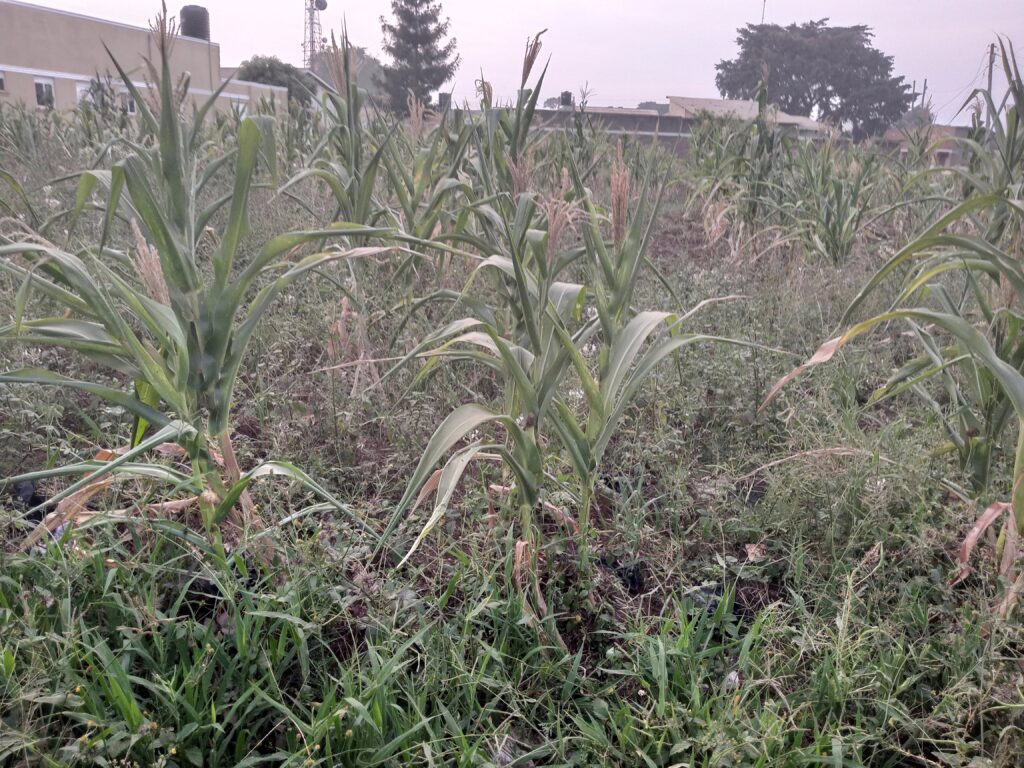
When contacted, Apac District Production Officer Ms Betty Jokene attributed the low crop yields to late planting by some farmers who had expected rainfall to continue longer than it did. “Farmers who planted around July achieved better yields, while those who planted late have been the most affected. Weather patterns are becoming increasingly unpredictable, and farmers must plan early and learn from past seasons,” she said.
Ms Jokene further noted that the district continues to provide agricultural extension services, including guidance on improved farming practices and access to drought-resistant seed varieties, although these inputs are largely purchased by individual farmers.
With agriculture being the backbone of Apac’s economy, many households now fear severe food shortages if the drought persists. The situation also threatens children’s education, as reduced household incomes limit families’ ability to meet school-related expenses.