
 Radio Apac
Radio Apac
Radio Apac
19 February 2026, 2:28 pm
By Daniel Odongo
APAC DISTRICT, UGANDA — Communities in parts of Apac District are facing a worsening water and livelihood crisis as prolonged droughts and rising temperatures linked to climate change continue to strain households and livestock.
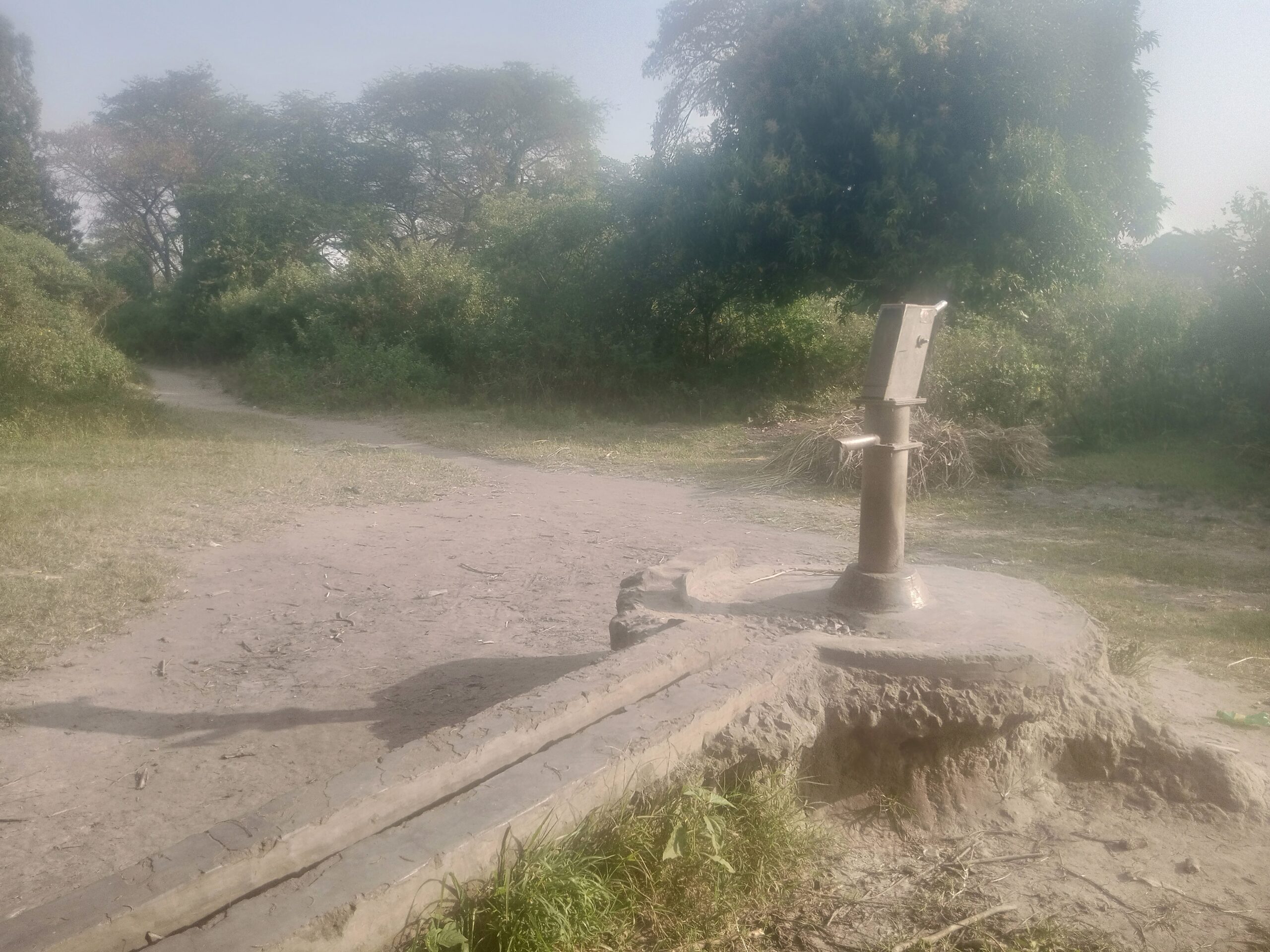
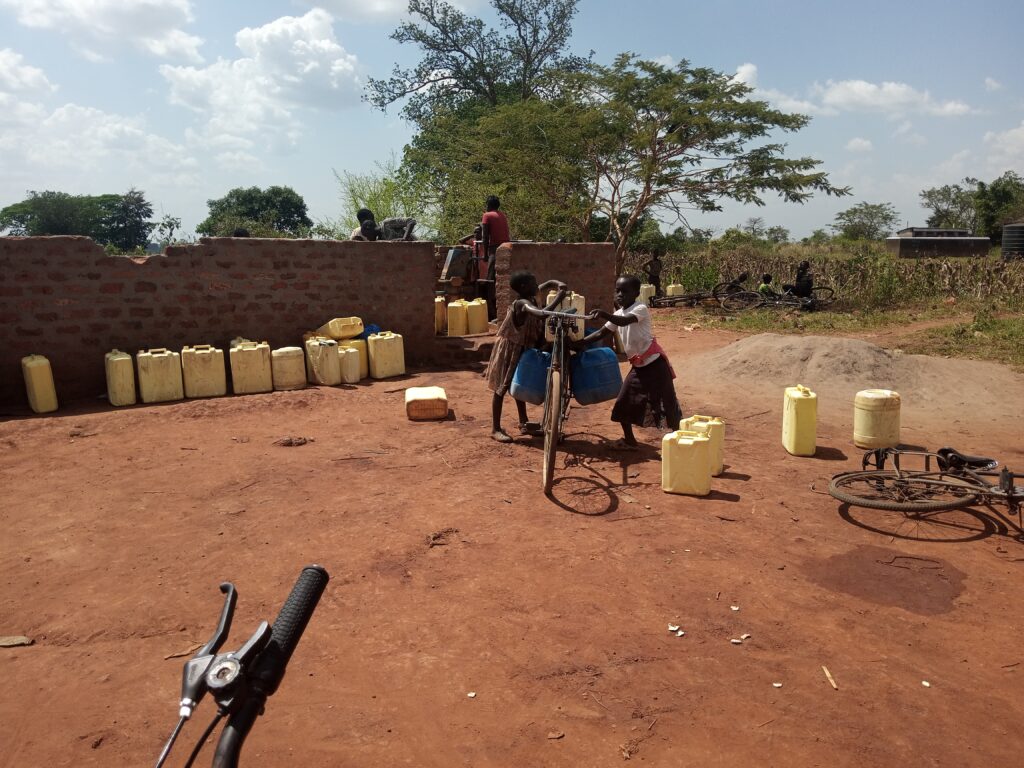
In Apoi Sub county, Maruzi North Constituency — an area long affected by dry spells — residents are trekking long distances in search of clean and safe water.
Traditional water sources that once sustained families and herds have dried up, forcing thousands of cattle to travel farther in search of pasture and water, while other areas with low water coverage become even more affected during droughts.
For many households, access to clean water now comes at a steep cost. A 20-litre jerrycan is currently being sold at UGX 2,000, a price many families say they cannot afford.
Those unable to pay have resorted to collecting water from nearby lakes and dams, raising serious health concerns.
Ms Lidya Akello, a resident of Wigweng Village in Apoi Sub county, says the situation has created additional social and economic pressures.
“We spend hours at water points due to long queues. Some women leave home early and return late, which has increased misunderstandings and domestic violence,” she said.
According to Akello, young girls are particularly vulnerable.
The long distances to water points and the time spent away from home have exposed them to risks of sexual exploitation and early pregnancy.
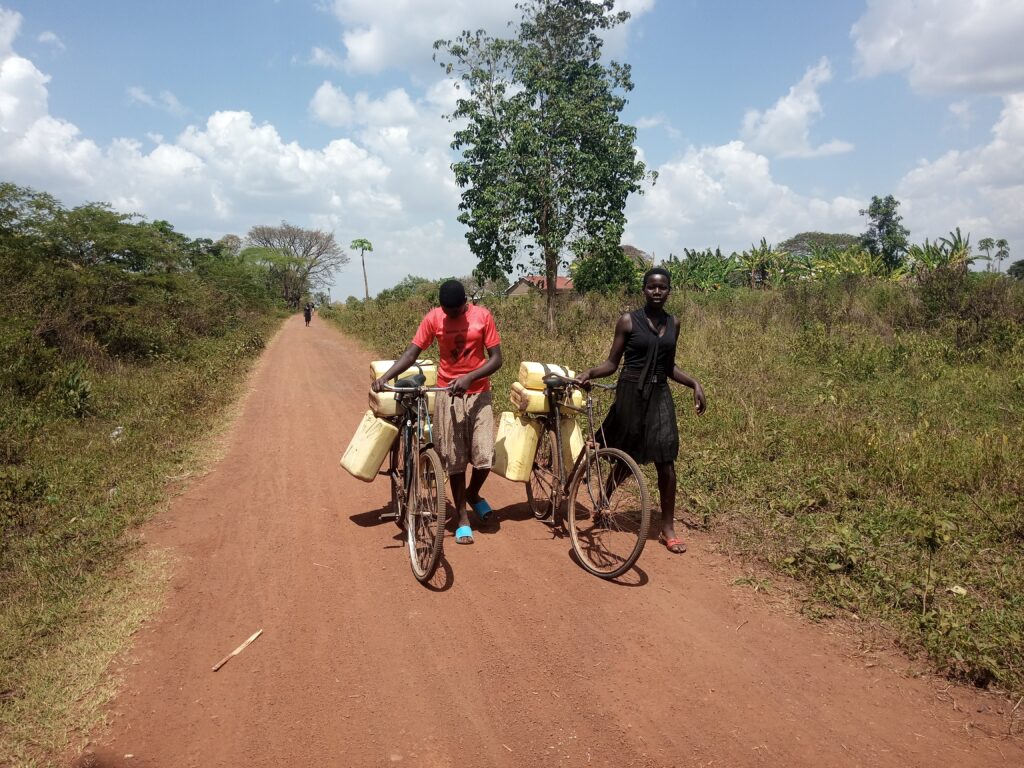
“Some girls are being lured into sexual activities by men as they go to fetch water. At the same time, children left at home suffer when their mothers spend the entire day searching for water,” she added.
Health risks are also rising. Families drawing water from lakes for domestic use report increased cases of waterborne illnesses, including diarrhoea among children.
Ms Susan Ajok, another resident of Apoi, echoed similar concerns. She noted that some families spend almost an entire day at water collection points, further fuelling domestic tensions.
“The water crisis is exposing young girls to early sexual activity and affecting family stability. We appeal to women to avoid sending girls long distances for water during this dry season,” Ajok said.
She called on the Government to provide accessible and reliable water sources closer to communities to protect women and children from the worsening effects of climate change.
The crisis extends beyond Apoi. In Omele Cell, Apac Sub county, more than 800 residents have reportedly lived for years without a functional borehole.
Locals have resorted to fetching water from a nearby dam, which is also used by animals.
Authorities attribute the situation to low water coverage and previous unsuccessful drilling attempts.
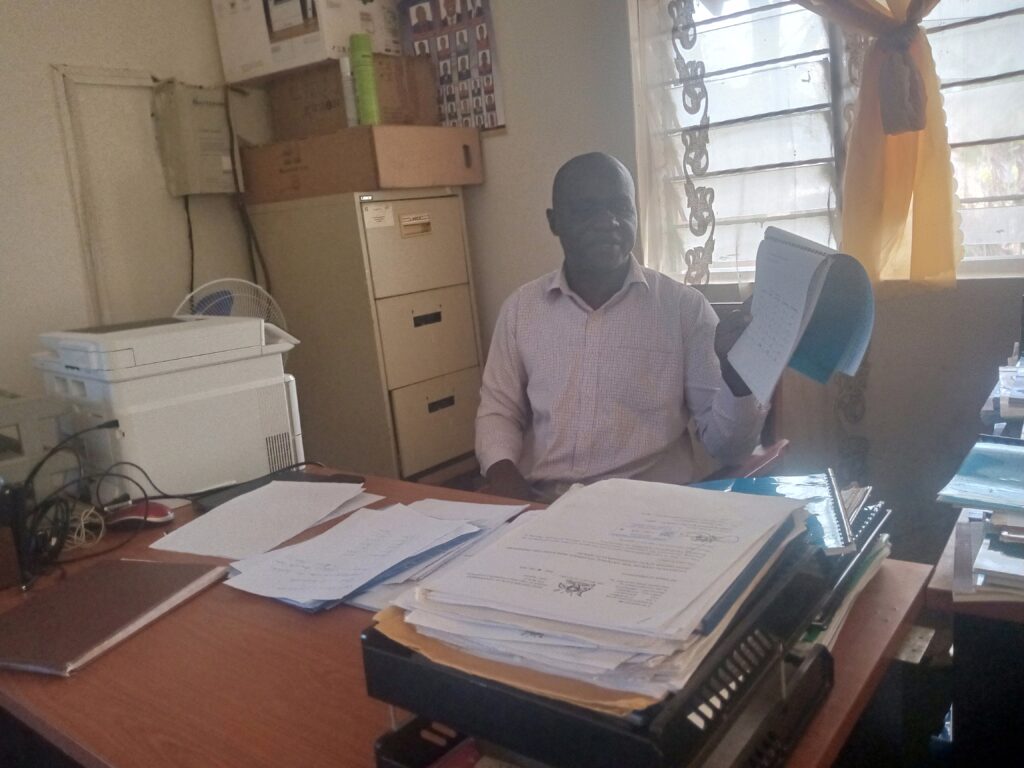
Apac District Water Officer, Mr Patrick Okwir, acknowledged the severity of the water shortage and said that both local and central government are exploring long-term solutions.
“We are considering improved technologies, including motorised water pumping systems, to provide more sustainable solutions in areas facing persistent water crises,” Okwir said.
He confirmed that the district has received a development grant of UGX 374.8 million for the current financial year.
The funds will support the drilling of eight deep wells, the rehabilitation of ten broken-down boreholes, and the construction of a drainable public latrine at Abuli Trading Centre in Apac Sub county.
According to Okwir, three of the planned boreholes will be drilled in Apoi Sub county, while the remaining five will be distributed across other sub-counties in the district.
As drought conditions persist, residents and local leaders are calling for greater investment in water infrastructure and climate adaptation strategies to protect both people and livestock in this drought-prone region.
With climate change intensifying extreme weather patterns, communities in Apac District say urgent action is needed to ensure reliable access to clean water—an essential resource that is increasingly out of reach for many.