
 Unity FM Lira
Unity FM Lira
Unity FM Lira
28 April 2026, 6:19 pm
By Ambrose Okwanga
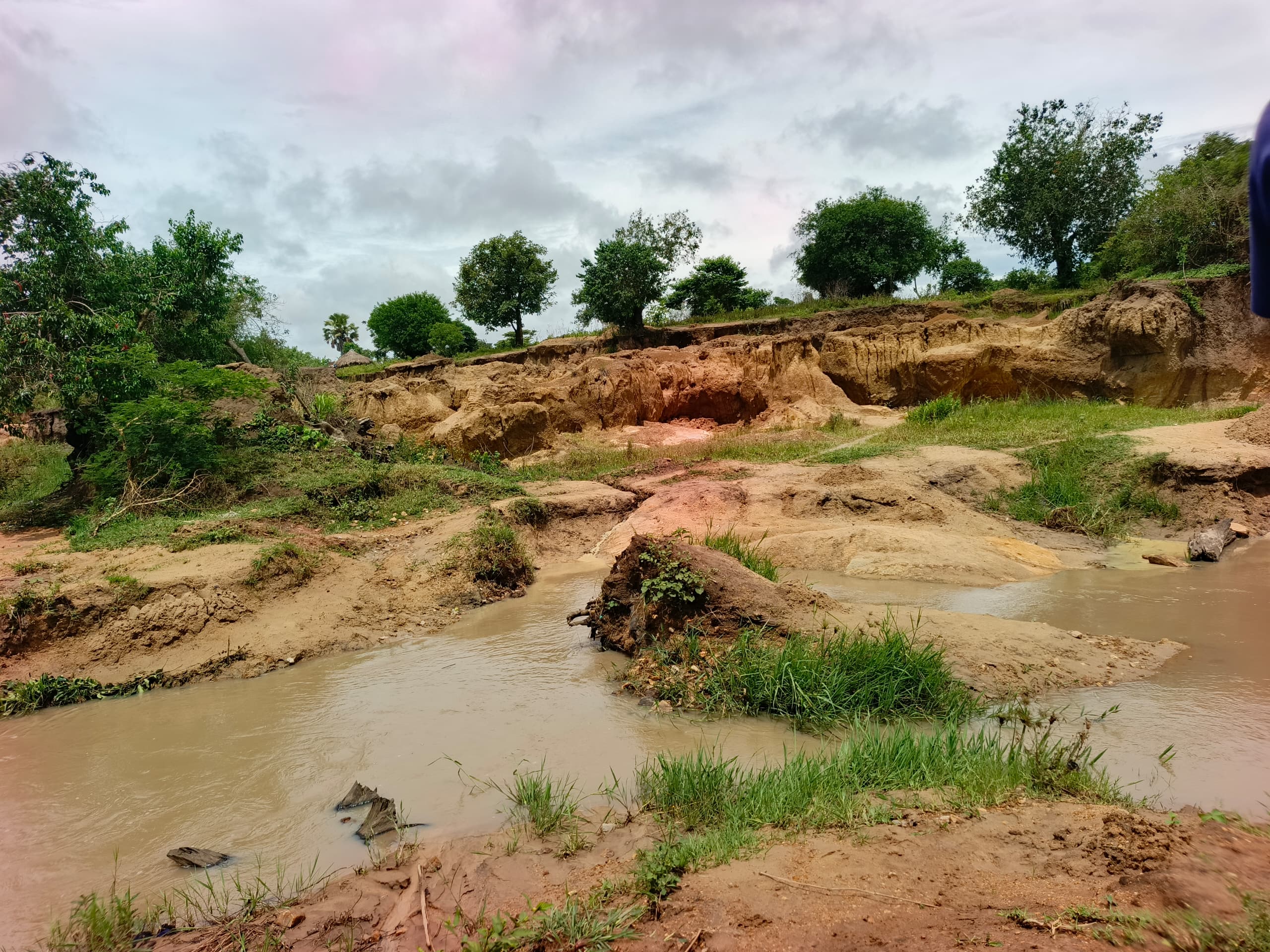
Residents of Ogur Sub county in Lira District have appealed to Join for Water to support them with sustainable livelihood projects in order to reduce their dependence on activities that are driving wetland degradation.
The call comes as Join for Water, in partnership with other organisations and the Ministry of Water and Environment, considers rolling out alternative livelihood initiatives aimed at steering communities away from sand mining in Akangi Parish. The appeal was made on 28 April 2026 during a site visit by officials from Join for Water, the Ministry, and leaders from Lira City and Lira District to assess the extent of environmental degradation.
Sand mining in the area has persisted for more than a decade, becoming the primary source of income for residents of Bolnyapo Village and surrounding communities, including parts of Alebtong District.
Many locals trace the origins of the practice to their return from displacement during the insurgency led by the Lord’s Resistance Army under Joseph Kony. With limited resources and few livelihood options, residents turned to sand mining as a means of survival.
“We came back from the camps with nothing,” recalled George Ogwal, a resident of Bolnyapo Village. “That is why we resorted to sand mining.” He explained that what began as a small-scale activity gradually attracted more people as its financial benefits became apparent.
Despite awareness of its environmental impact, residents say abandoning sand mining without viable alternatives is not realistic.
Christine Angom, a widow, said the trade has enabled her to raise her four children, pay school fees, and meet basic household needs. However, she insisted that any intervention must be sustainable to prevent deeper poverty.
Angom also highlighted the health risks associated with the activity, particularly for women, citing frequent cases of bilharzia and urinary tract infections.
For others like Francis Okello, infertile soils leave little room for agriculture, making sand mining the only reliable source of income.
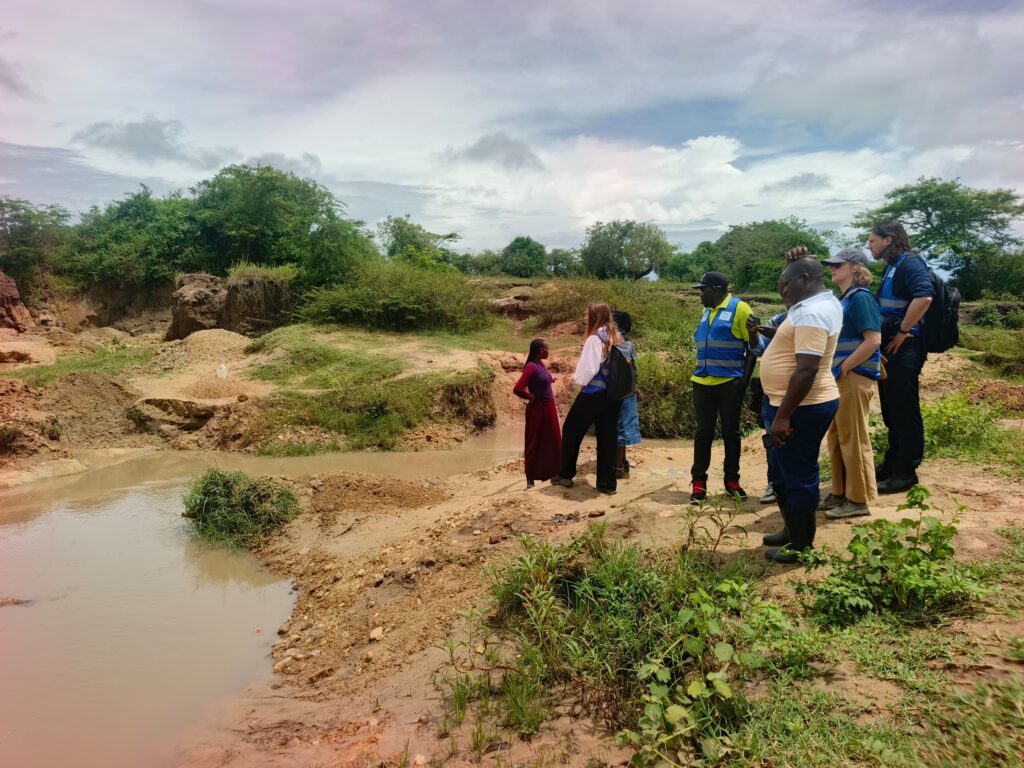
He and other residents are now calling for support in alternative ventures such as apiary, poultry farming, goat rearing, and access to SACCO financing.
Local leaders acknowledge the complexity of the situation. Erick Odyek, the Gombolola Internal Security Officer, said enforcement efforts against illegal sand mining have largely failed due to the community’s economic dependence on the activity.
The Ogur Sub-county Community Development Officer, Sharon Aceng Ego, stressed that beyond introducing projects, there is a need for continuous sensitisation to guide communities through the transition. She remains optimistic that well-implemented livelihood programmes could significantly transform the area.
Meanwhile, Kerudong Paskuale, Regional Manager of the Upper Nile Water Management Zone under the Ministry of Water and Environment, described the situation as concerning. He called for intensified awareness campaigns and a shift in mindset, urging communities to use wetlands sparingly in order to preserve the ecosystem.
As stakeholders consider possible intervention options, the future of Ogur’s wetlands—and the livelihoods linked to them—remains uncertain.