

 Radio Apac
Radio Apac
Radio Apac
31 January 2026, 10:09 pm
By Mike Okwang Ogule & Daniel Odongo
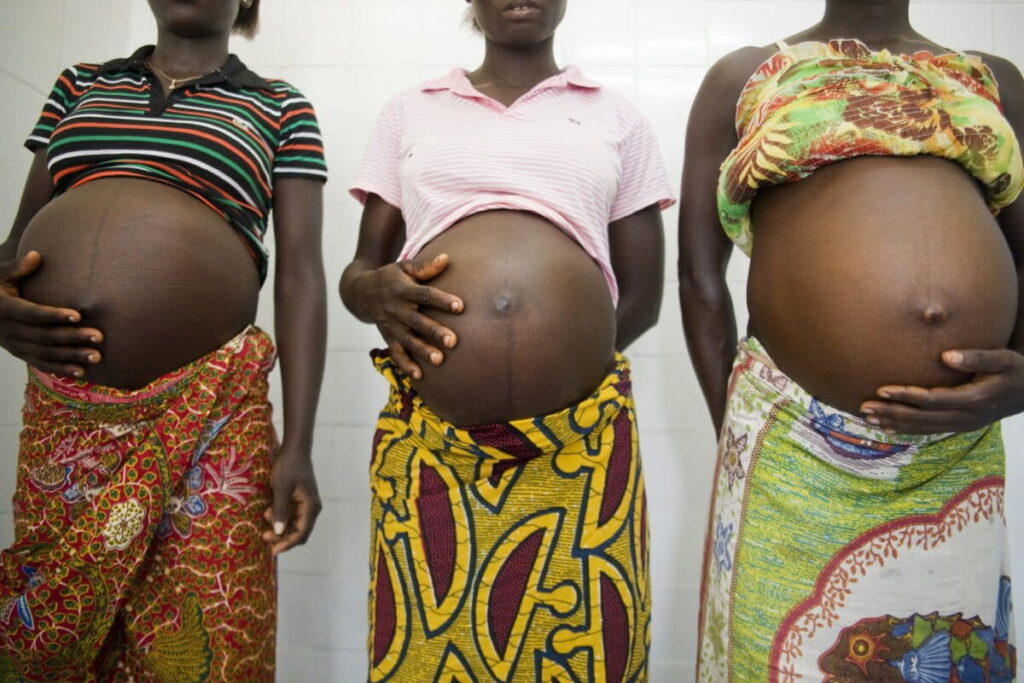
Medical experts in Apac District have raised concerns over growing health risks facing pregnant women and the general public as climate change fuels prolonged heatwaves and extreme temperatures across the region.
Health officials warn that rising heat levels are increasing cases of dehydration, heat exhaustion, respiratory infections, and pregnancy-related complications. What was once manageable sun exposure has now become a serious public health concern.
Several expectant mothers interviewed by Radio Apac reported reduced productivity and discomfort, saying extreme heat forces them to remain indoors for most of the day.
“I spend most of my day indoors during the hottest hours, wearing light clothing and cooling myself with cold water,” said Ms Bena Okello, a resident of Atik Division in Apac Municipality.
Ms Okello is among several pregnant women currently suffering from flu and cough conditions that health officials link to strong winds carrying dust, bacteria, and pollutants during the dry season.
The Apac District Health Officer (DHO), Dr James Daniel Odongo, explained that pregnant women are especially vulnerable to heat stress due to physiological changes during pregnancy.
“Climate-driven temperature increases pose serious risks to both maternal and fetal health,” Dr Odongo said.
He noted that extreme heat often worsens air quality, as dust particles and disease-causing organisms become easily airborne. Inhaling contaminated air, he said, increases the risk of coughs, flu, asthma, heart complications, and other chronic respiratory diseases—conditions that can be fatal in severe cases.
According to Dr Odongo, excessive heat exposure during pregnancy may lead to heatstroke, premature labour, low birth weight, and, in extreme cases, infant mortality.
“High temperatures affect the mother’s lungs. When she inhales contaminated air, the oxygen supply to the unborn baby is reduced, interfering with fetal growth and resulting in underweight babies,” he added.
Dr Odongo advised the public—especially pregnant women and people with conditions such as asthma and tuberculosis—to take preventive measures during the heatwave. These include staying well hydrated, wearing face masks to reduce dust inhalation, avoiding direct sunlight, keeping living spaces ventilated, and maintaining a balanced diet.
Records from the District Health Department indicate that health facilities in Apac are currently registering high numbers of heat-related illnesses, with flu and cough topping the reported cases. By press time, detailed data on heatstroke cases was still being compiled.
Health experts also cautioned residents against setting wildfires, warning that smoke from open burning worsens air pollution and aggravates chronic respiratory diseases.
Authorities are now urging communities to adopt climate-resilient health practices as extreme weather events become more frequent due to climate change.