
 Radio Apac
Radio Apac
Radio Apac
24 February 2026, 1:15 pm
By, Daniel Odongo
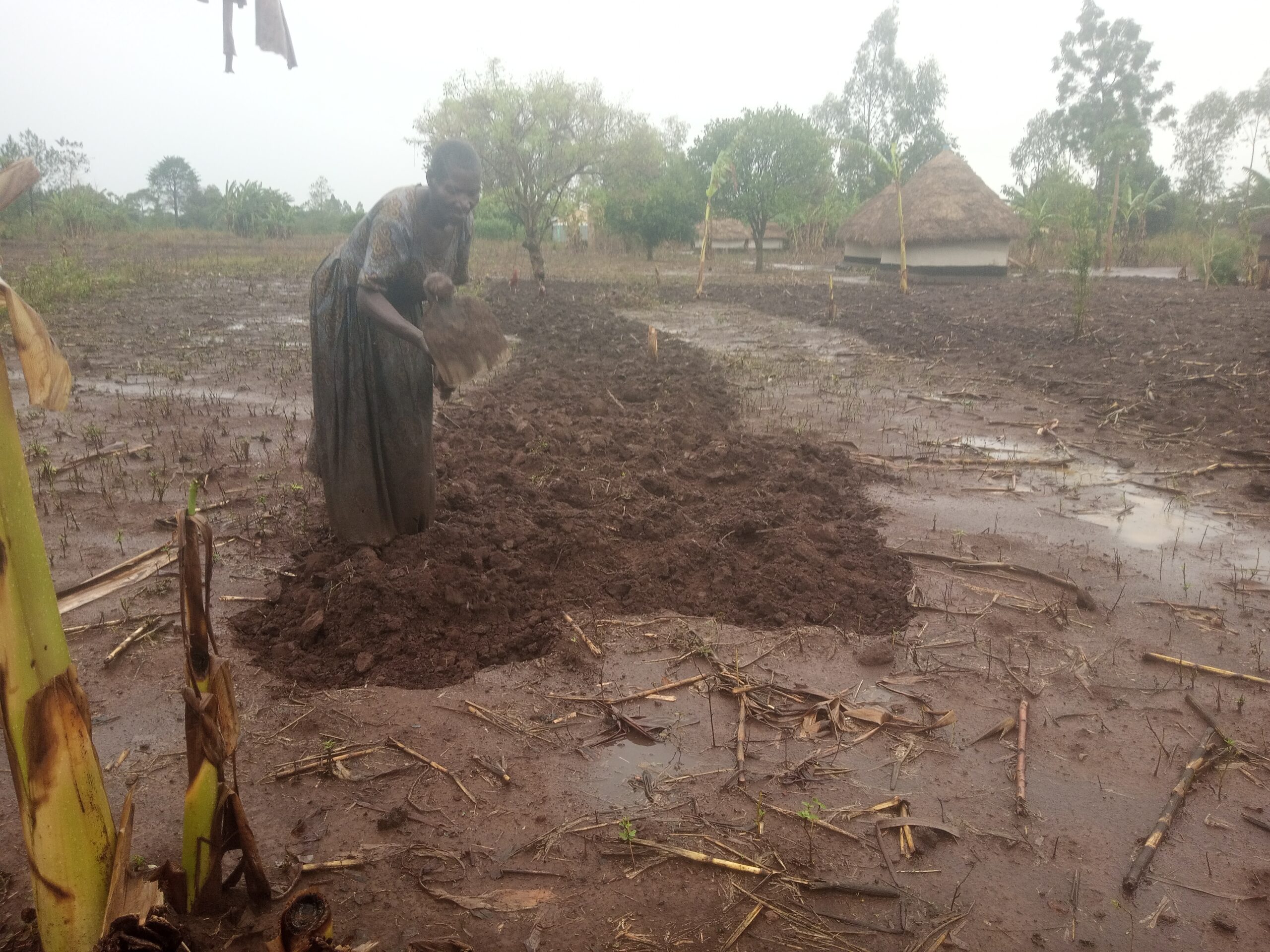
With lango sub region experiencing unusual early showers that are stirring both hope and uncertainty ahead of the first planting season, Apac farmers are urged to closely monitor the rainfall patterns
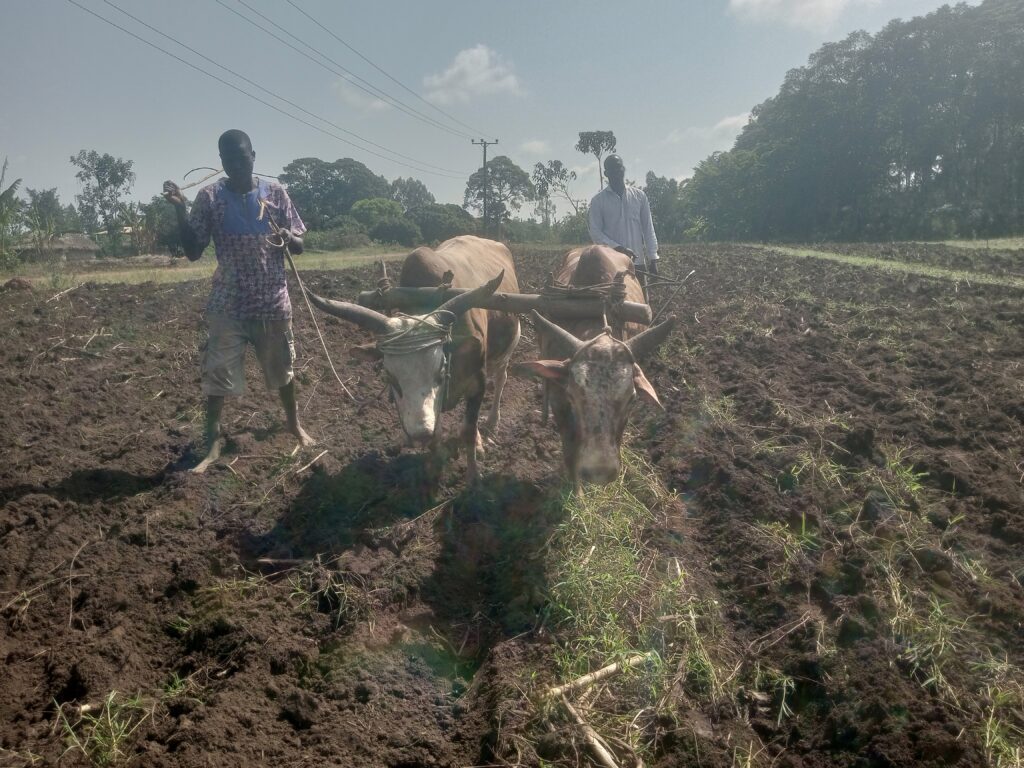
Farmers in Apac District have been advised to closely monitor the current rainfall patterns as they prepare their gardens ahead of the anticipated rainy season.
The Apac District Agricultural Officer, Paskweli Ocen, said preliminary weather forecasts indicate that the normal rainy season is expected to begin toward the end of February.
However, he acknowledged growing uncertainty among the public — and even within technical offices — due to the ongoing rains currently being experienced across the region.
A spot survey conducted by this publication found that several farmers have already begun planting crops, particularly maize, following continuous downpours that many believe signal the start of the planting season.
Mr. Ocen advised farmers to make informed decisions based on both field observations and official forecasts.
“If the current rains persist through the end of the month, farmers can take advantage of the moisture to begin planting.
However, they should remain cautious and not rely entirely on forecasts, as weather patterns are increasingly unpredictable,” he said.

The district agricultural officer further cautioned farmers against purchasing seeds from unverified sources.
He emphasized the importance of buying agricultural inputs from certified and reputable dealers, noting that counterfeit seeds remain widespread in open markets.
“Fake seeds often result in poor germination and low yields, a risk that is even greater under changing climatic conditions,” Mr. Ocen warned.
He stressed that quality seed selection is critical to improving productivity and ensuring resilience against erratic weather.
Emergence of Climate-Linked Weeds
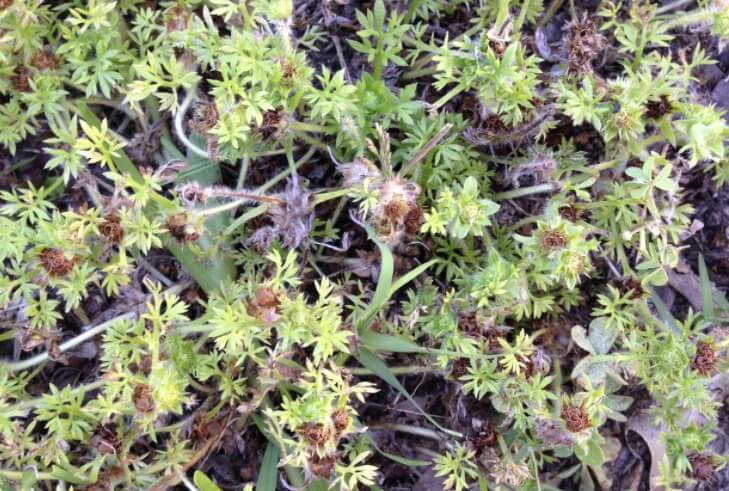
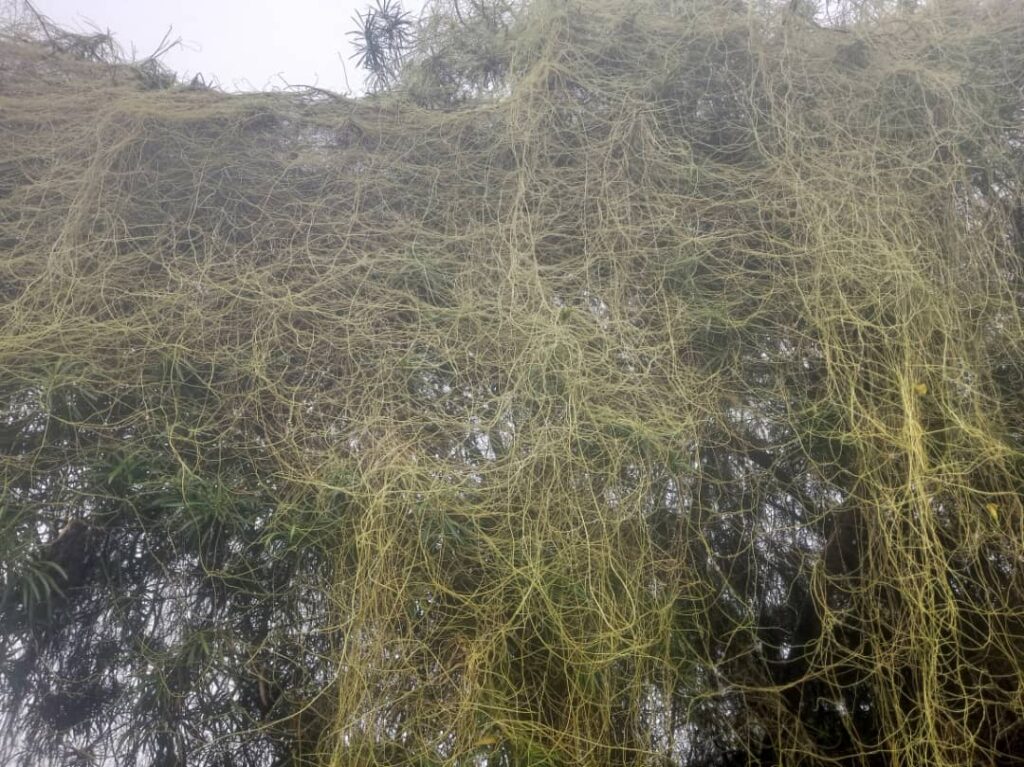
Agricultural experts have also raised concern over the emergence of new and aggressive weeds believed to be linked to climate change.
One such weed, locally known as “Sticker,” has significantly affected cereal crops, particularly maize, leading to reduced harvests across parts of the district.
Mr. Ocen explained that research indicates the weed’s seeds can remain viable in the soil for up to ten years, making early detection and intervention essential.
“Farmers must practice crop rotation and apply appropriate herbicides to effectively manage this weed before it spreads further,” he advised.
With rainfall patterns becoming less predictable and new agronomic challenges emerging, farmers are encouraged to remain vigilant and seek technical guidance from agricultural extension workers.
Experts say adapting to climate variability through informed decision-making, proper input selection, and sustainable land management practices will be key to safeguarding crop yields and improving household incomes in the upcoming season.